
Norwegian Art for Sale: Buying Authentic Pieces, Collecting Tips & Investment
Norwegian Art for Sale: Buying Authentic Pieces, Collecting Tips & Investment
🇳🇴 Master the Art of Purchasing Genuine Norwegian Artwork Online
📑 Quick Navigation
- The Norwegian Art Market Explained
- Types of Norwegian Art: From Oil to Digital
- Authenticity Verification & Red Flags
- Budget Breakdown: Finding Value
- Where to Buy Genuine Norwegian Art
- Investment Potential & Collecting
- Integrating Art into Your Space
- Care & Long-Term Preservation
- Buyer's Question Bank
- Making Your Purchase Decision
The Norwegian Art Market Explained
Norwegian art represents something profoundly different from mass-produced decorative prints. These pieces carry centuries of artistic heritage, geological drama, and cultural identity captured by artists who understood their landscape intimately.
The market offers extraordinary range and value.
Whether you're seeking affordable contemporary prints, original oil paintings from 19th-century masters, or modern reproductions of classic works, understanding the Norwegian art landscape—literally and figuratively—ensures you make informed purchases. The difference between impulse buys and investment pieces often comes down to knowledge.
From Edvard Munch's psychological intensity to landscape painters capturing fjord serenity, Norwegian artists developed distinctive visual vocabulary. Today's market includes original antique pieces, contemporary works, quality reproductions, and mass-market prints. Understanding these categories prevents costly mistakes.
Types of Norwegian Art: From Oil to Digital
Original Oil Paintings & Watercolors
These command premium prices and require authentication. Antique pieces from the 1800s-early 1900s represent the highest investment potential. Contemporary original works from modern Norwegian artists offer emerging market opportunities.
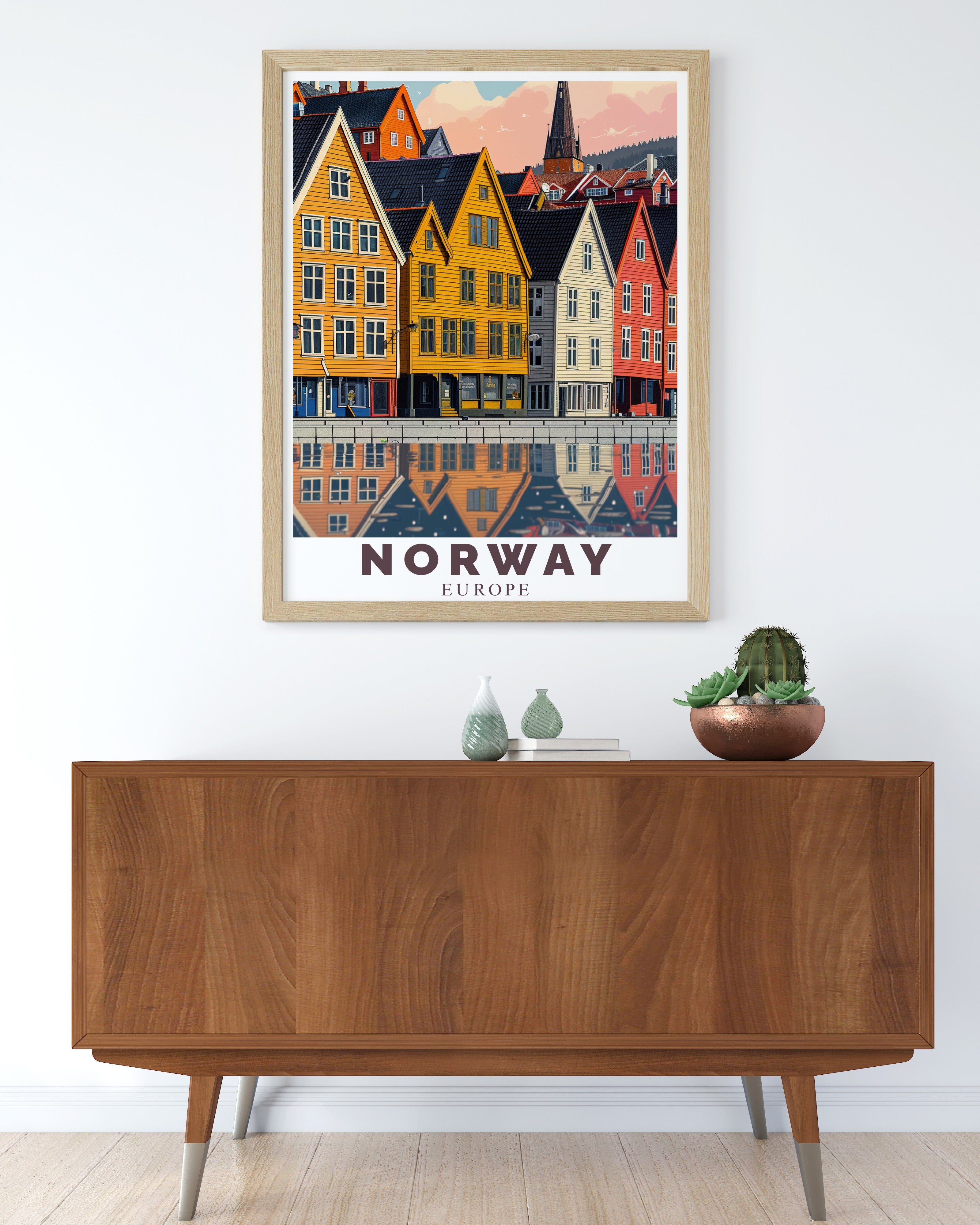
Bryggen Bergen – Historic subject matter increases collectibility
Quality deterioration happens gradually. Proper authentication includes artist verification, period-appropriate materials, exhibition history, and condition assessment. Professional appraisals cost €150-500 but protect significant investments.
Limited Edition Reproductions
Professional reproductions from museum-quality sources represent the sweet spot for most collectors. These capture original works faithfully while remaining affordable.
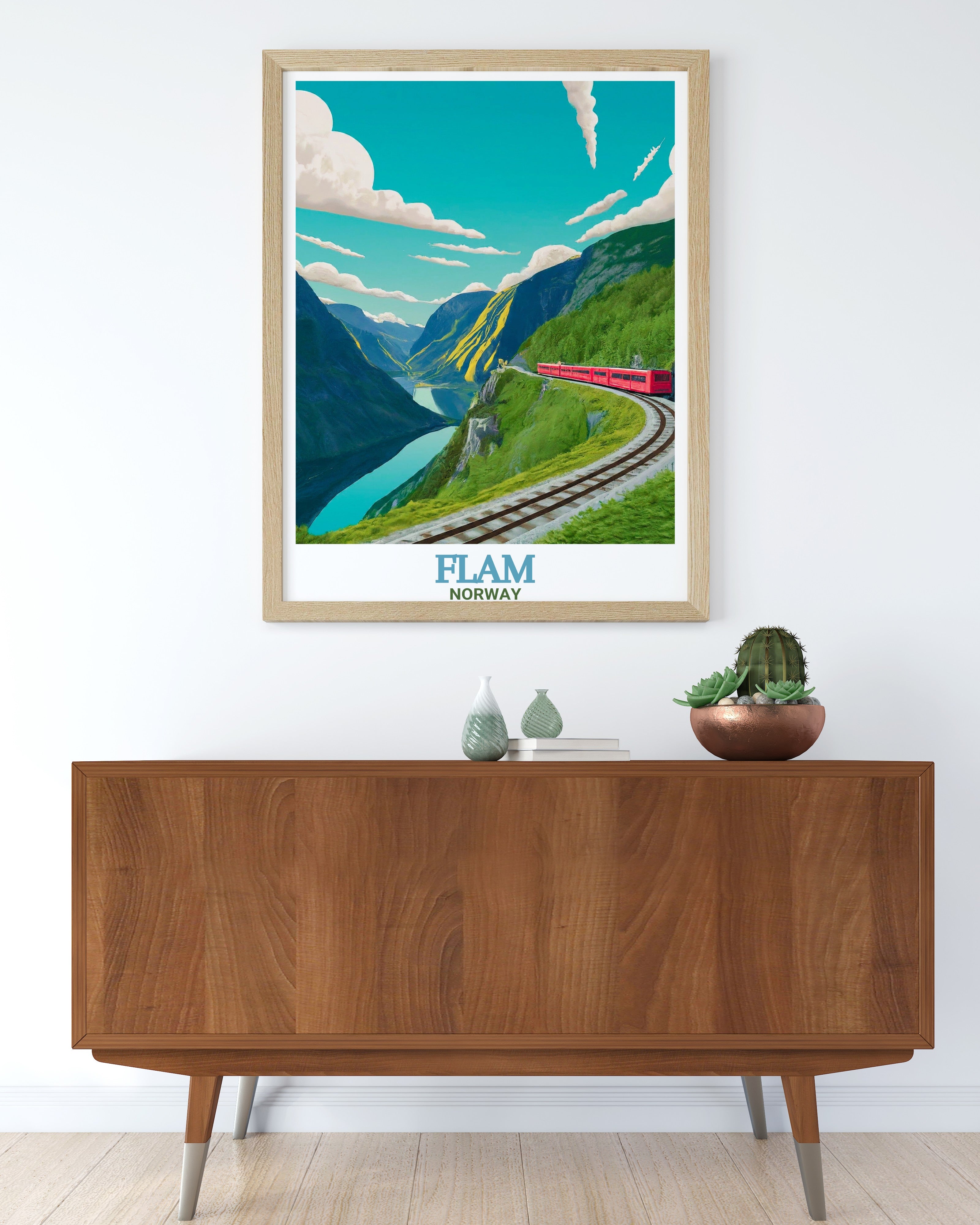
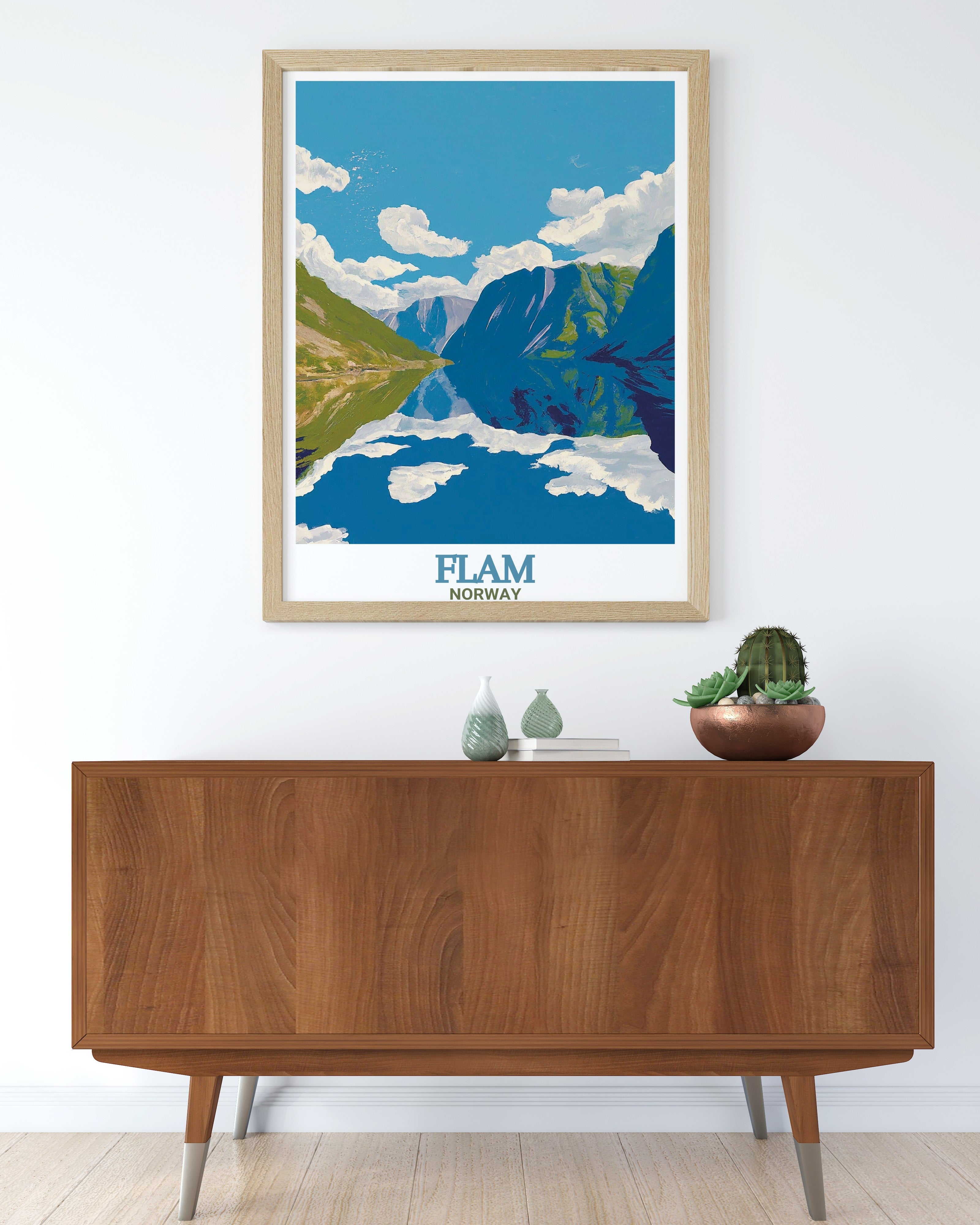
Flåmsbana – Quality reproductions preserve original vision
Authentication matters less for reproductions.
Limited edition numbers (like "50/500") indicate production quantity and add value. Canvas or premium paper quality ensures longevity. Proper certifications from respected publishers guarantee authenticity and condition.
Contemporary Prints & Digital Art
Modern artists working in Norwegian traditions offer accessibility and fresh perspectives. Print quality varies dramatically—professional fine art printing vastly outperforms budget alternatives.
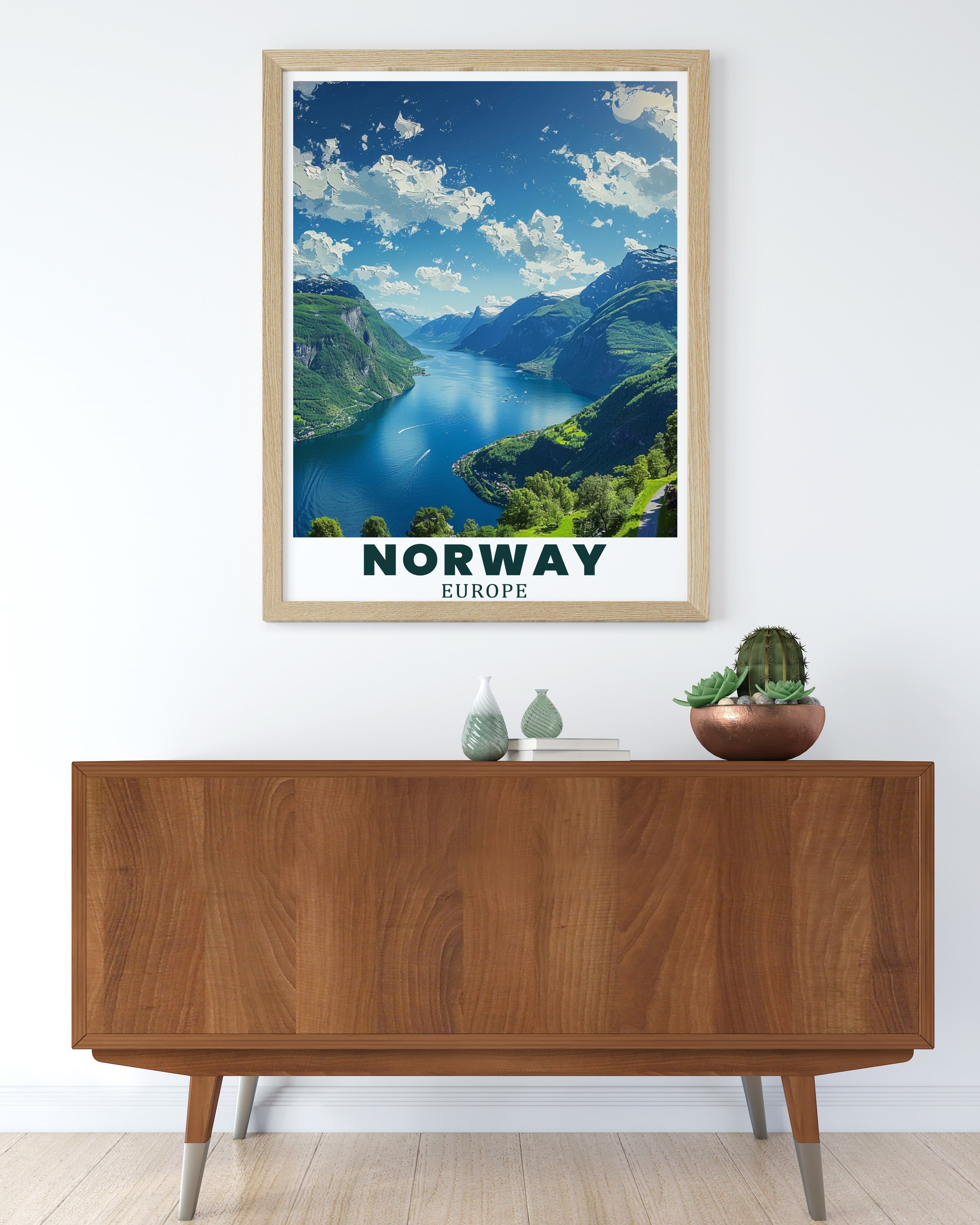
Geirangerfjord – Modern photography captures timeless appeal
Authenticity Verification & Red Flags
Genuine Indicators
Artist signatures: Match against known examples. Forged signatures often appear slightly off—too perfect, wrong location, inconsistent ink. Research the artist's actual signature across multiple authenticated pieces.
Materials consistency: Canvas weave patterns, paper watermarks, and paint aging must match the claimed period. Expert examination sometimes requires microscopic analysis for antique works.
Provenance documentation: Exhibition catalogs, sale receipts, insurance valuations, and ownership history dramatically increase credibility. Missing provenance doesn't necessarily indicate forgery but reduces value significantly.
Red Flags & Common Scams
Beware suspiciously low prices for supposedly valuable works. If a €5,000 painting sells for €500, something's wrong. Legitimate dealers provide detailed condition reports explaining price deviations.
Nærøyfjord – Authentication expertise varies by marketplace
Sellers refusing independent authentication or professional appraisals warrant suspicion. Reputable dealers welcome verification. Online auctions with limited seller history present higher risk than established galleries.
Budget Breakdown: Finding Value
| Price Range | Art Category | What You Get | Best For |
|---|---|---|---|
| €20-80 | Mass-market prints, digital downloads | Nice decoration, limited longevity | Renters, temporary displays, sampling styles |
| €80-300 | Quality reproductions, contemporary prints | Museum-quality materials, professional framing | Collectors, serious decorating, modest investments |
| €300-1,500 | Limited editions, emerging artist originals | Artist-signed pieces, investment potential | Serious collectors, significant wall focus, modest appreciation |
| €1,500+ | Established artist originals, antique works | Full authentication, insurance-worthy value | Museums, serious collectors, investment portfolios |
Mid-range purchases (€150-500) offer best value for decorators prioritizing quality without speculative investment. Original works under €1,500 from emerging Norwegian artists present genuine collecting opportunities before broader market recognition.
Where to Buy Genuine Norwegian Art
Museum gift shops: Guarantee authenticity, support cultural institutions, and offer curated selections. Prices reflect quality assurance premium but provide confidence.
Established galleries: Physical galleries in Oslo, Bergen, and Trondheim maintain reputations built on authenticity. Online gallery sites with professional photos, detailed provenance, and return policies indicate seriousness.
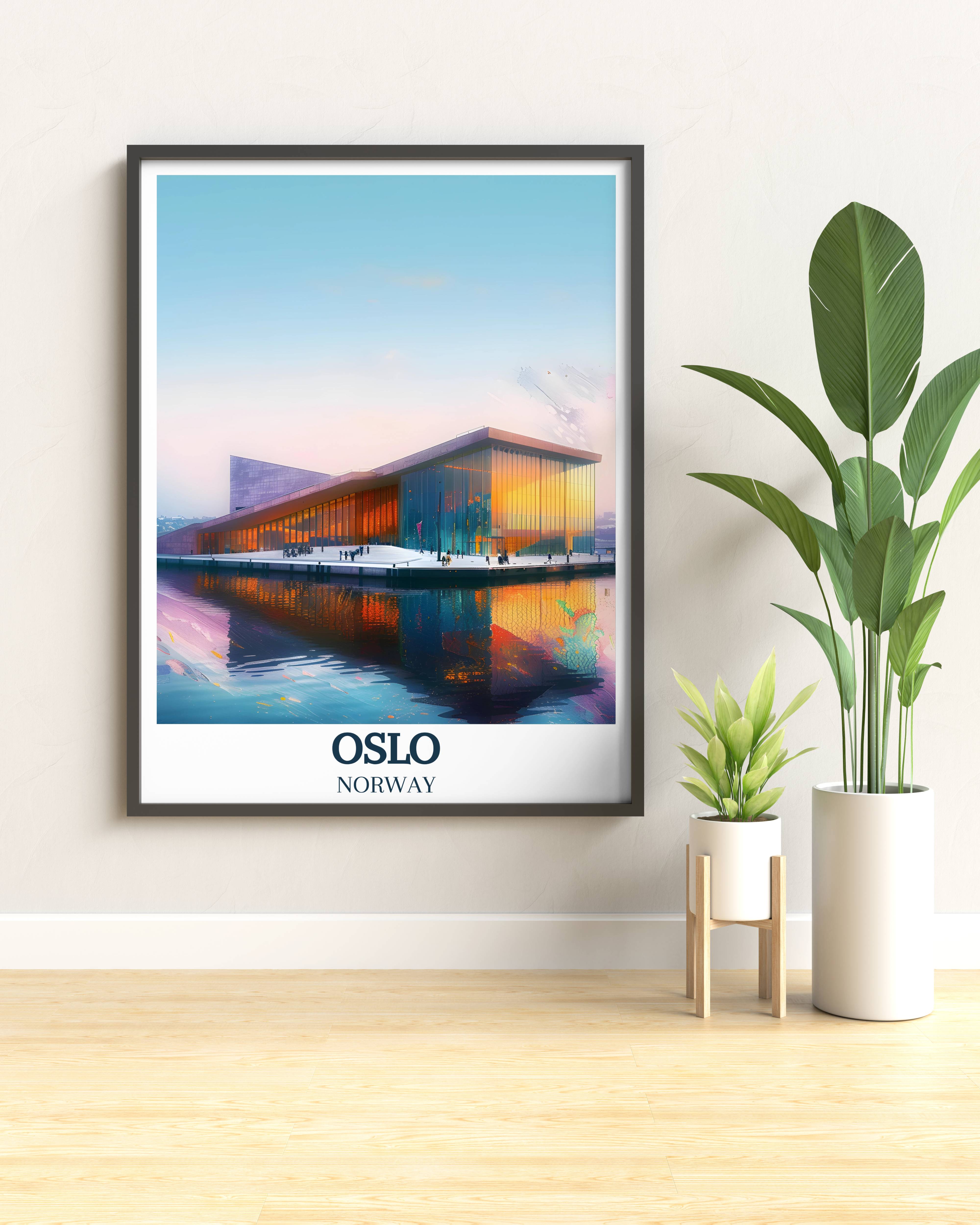
Oslo Opera House – Urban subjects appeal to diverse collectors
Curated online retailers: Specialized sites focusing specifically on Norwegian art provide expert curation. These differ fundamentally from general marketplaces mixing everything. Specialized retailers typically verify authenticity and educate customers.
Marketplace platforms vary in authenticity oversight.
Auction houses: Sotheby's, Christie's, and regional houses provide professional authentication and catalogs. Buyer's premiums increase costs but offer legal protections.
Direct from artists: Contemporary artists selling personally eliminate middlemen. Negotiate pricing, understand their creative process, and receive artist stories enhancing ownership experience.
Investment Potential & Collecting Strategy
Works with Appreciation Potential
Museum-deaccessioned pieces (works sold from museum collections) often represent undervalued bargains. Museums sell duplicates or pieces outside collection scope—thorough provenance research may reveal hidden value.
Emerging contemporary artists working in distinctly Norwegian traditions offer early-stage collection opportunities. Purchase directly from artists, attend gallery showings, and build relationships before broader recognition increases prices.
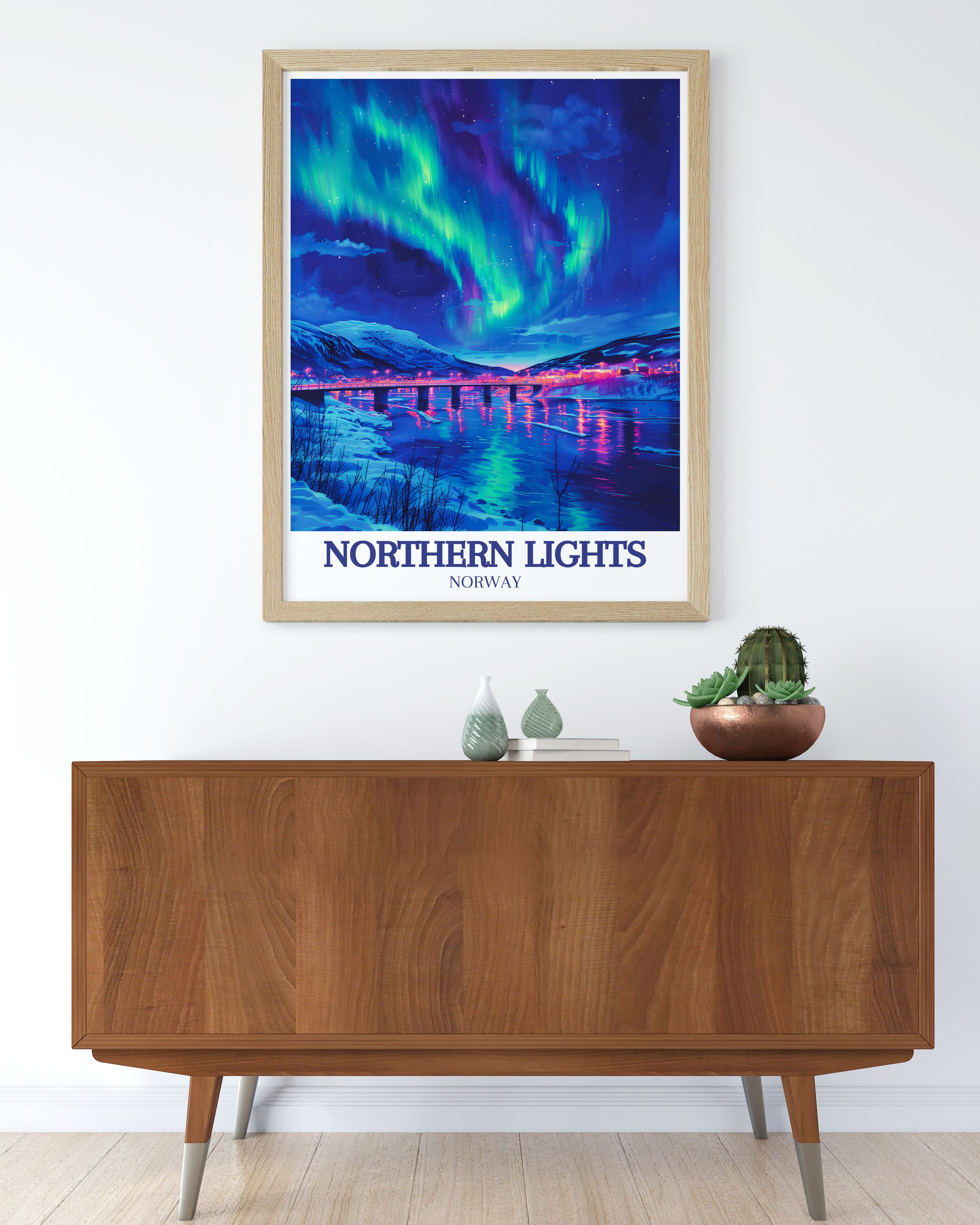
Northern Lights – Emotional appeal drives collecting passion
Building a Cohesive Collection
Focus on periods, regions, or subjects rather than random acquisition. A focused collection—all 19th-century landscape paintings, or contemporary works from Trondheim artists, or Munch-influenced pieces—develops coherence and value.
Condition variations affect value dramatically. Two identical prints in different conditions sell at vastly different prices. Pristine examples appreciate more reliably than damaged pieces.
Want deeper expertise? Read our comprehensive article on Norway Art Prints: Expert Selection, Landmark Showcase & Styling Tips for landmark-specific analysis and interior design integration strategies.
Integrating Art into Your Space
Norwegian art's strength lies in visual storytelling. Display pieces where they command attention—primary walls, entry points, conversation focal points. Proper lighting enhances appreciation significantly.
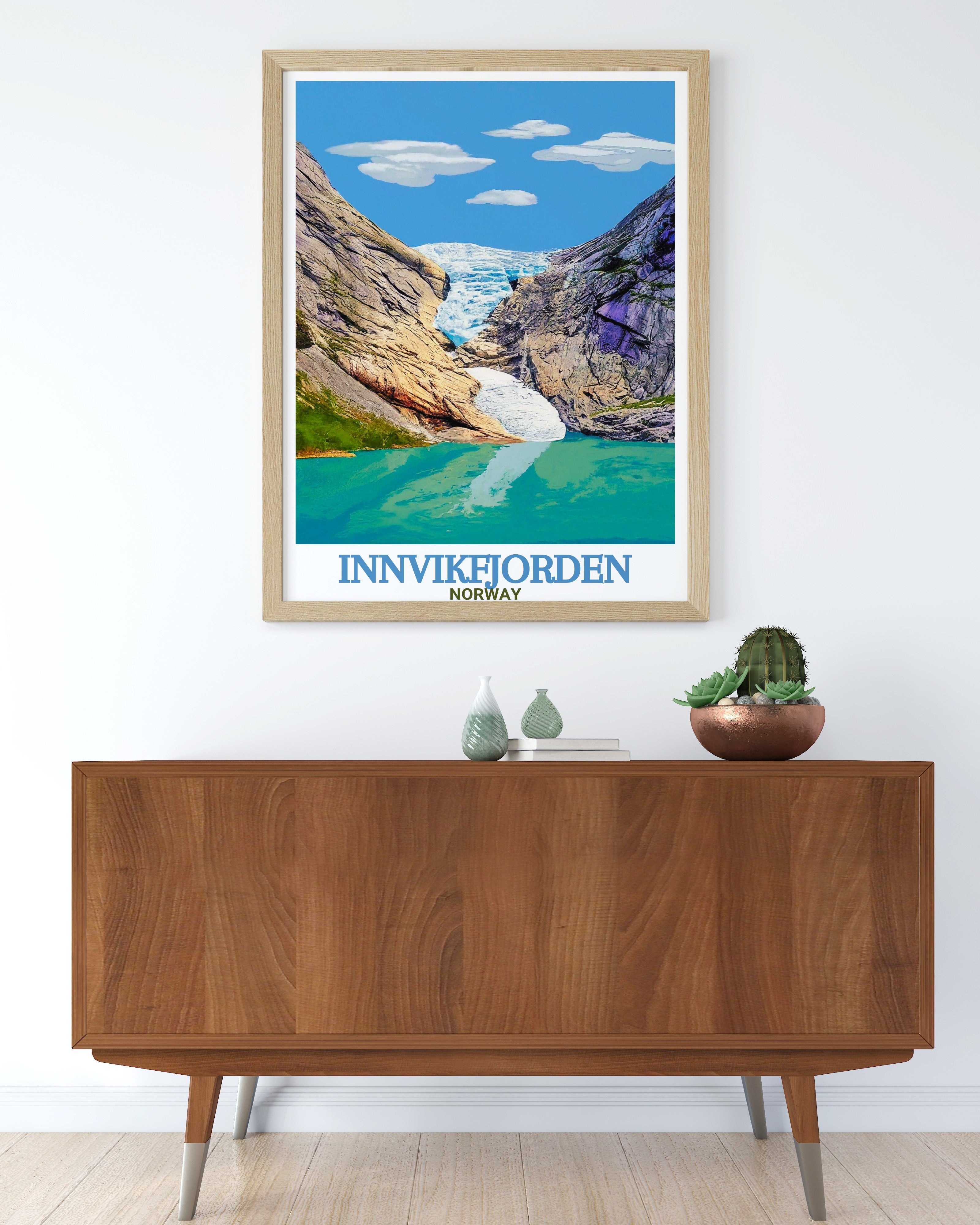
Briksdalsbreen – Dramatic subjects anchor large wall spaces
Norwegian landscapes pair beautifully with minimalist, Scandinavian, and contemporary interiors. The art itself usually dictates decorating direction rather than forcing the art to match existing décor.
Care & Long-Term Preservation
Framing protection: UV-protective glass extends print longevity dramatically. Archival matting prevents acid damage. Quality framing costs €100-300 but protects €500+ investments infinitely better than cheap alternatives.
Environmental control: Consistent temperature and humidity prevent deterioration. Direct sunlight fades originals. Climate-controlled storage preserves value for pieces not currently displayed.
Insurance documentation: Professional appraisals and condition photos protect against loss. Insurance companies often require documentation. Simple smartphone photos dated and stored digitally suffice for modest collections.
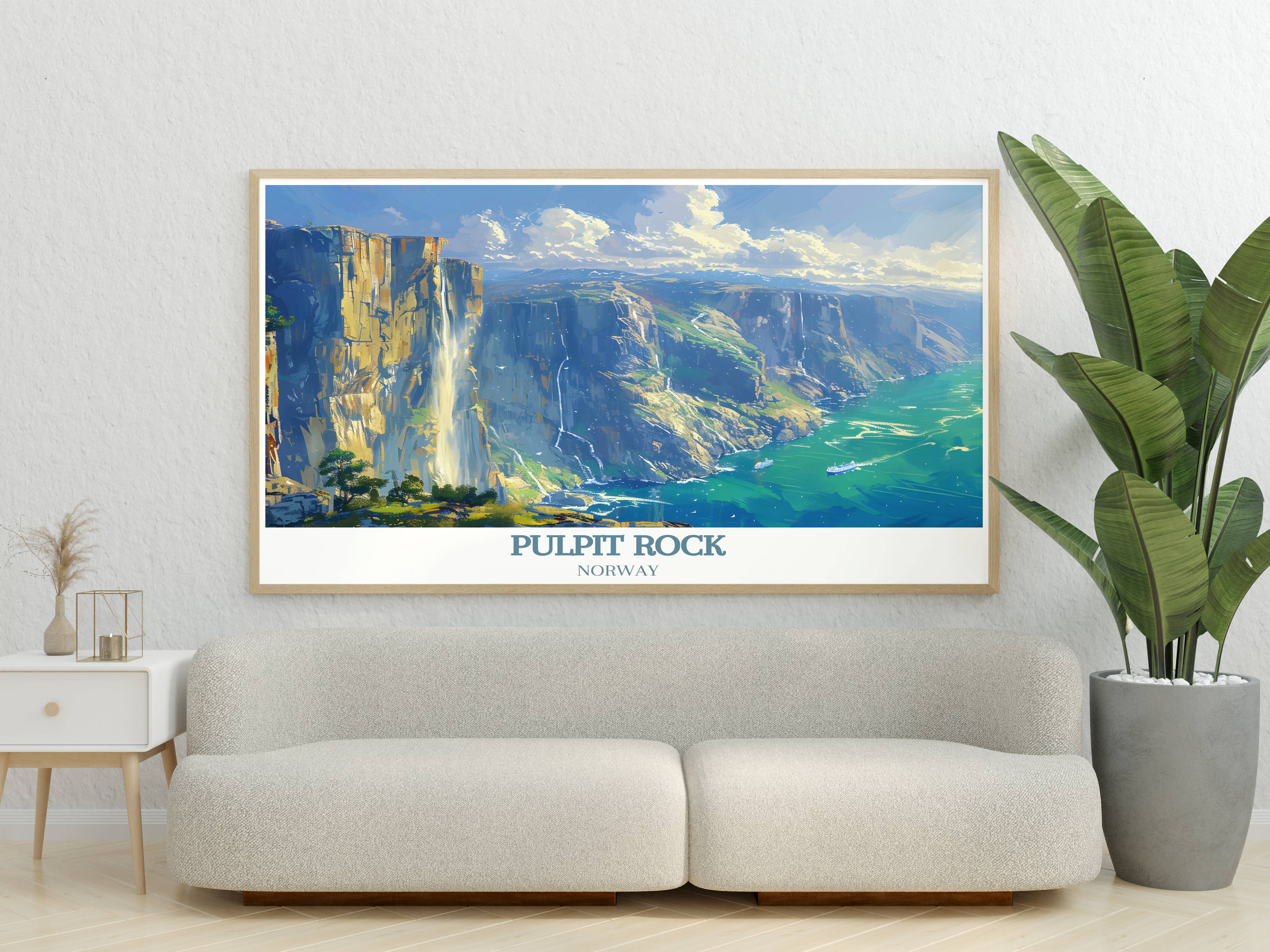
Lysefjord – Proper preservation protects decades of enjoyment
🎯 Key Takeaways
- Authentication matters: Original paintings require expert verification; quality reproductions need publisher certification
- Budget placement critical: €150-500 offers best value for quality decorative pieces; €1,500+ enters serious investment territory
- Source credibility varies: Museums, established galleries, and specialist retailers provide superior authenticity assurance
- Red flags exist: Suspiciously low prices, missing provenance, and seller refusal of verification warrant caution
- Investment potential real: Emerging contemporary artists and museum-deaccessioned pieces offer genuine appreciation opportunities
- Care extends longevity: Quality framing, environmental control, and documentation protect value long-term
- Focused collecting works: Curated collections (by period, region, or artist) develop coherence and value more effectively than random acquisition
Mount Hoven – Elevation and majesty appeal
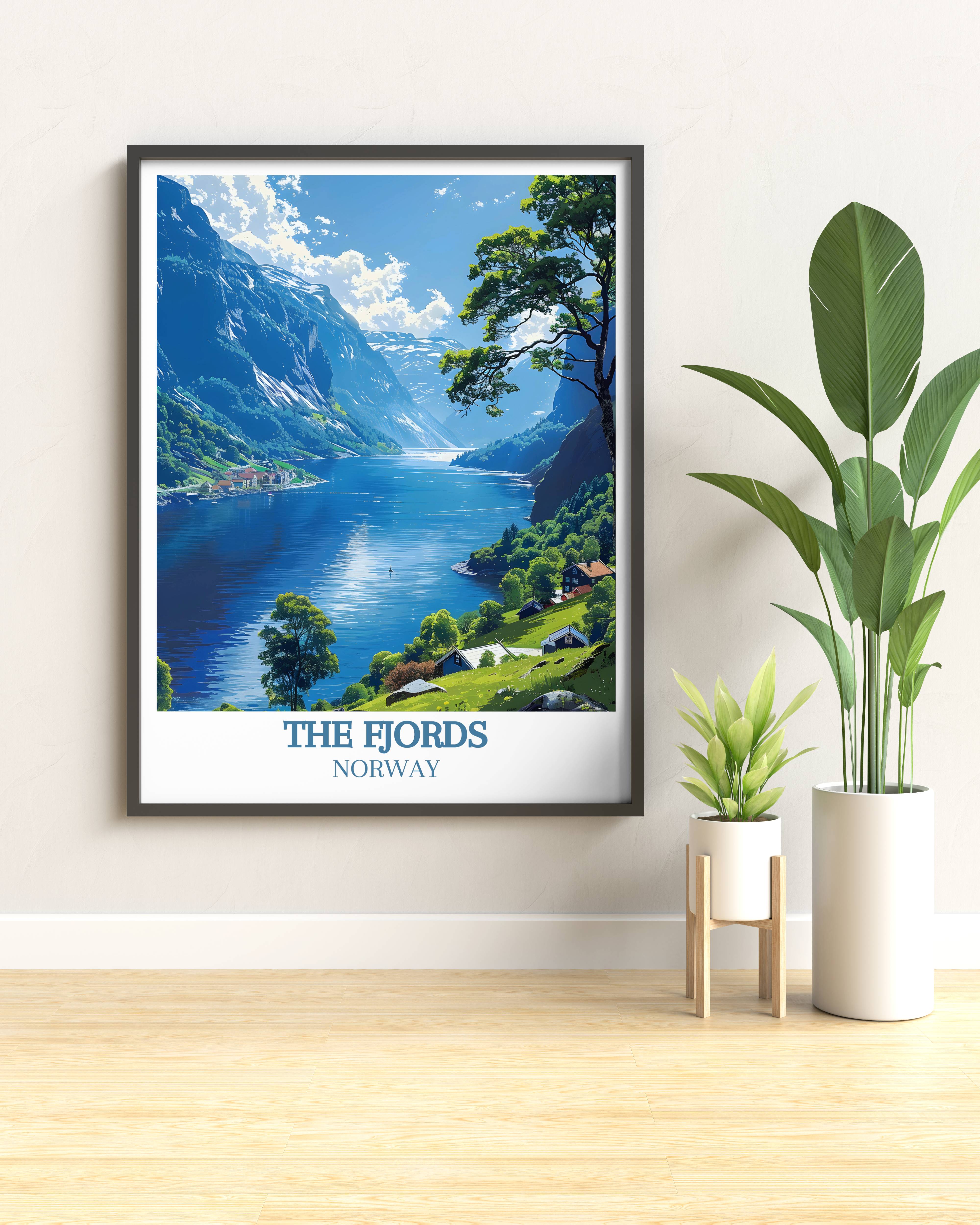
Naeroyfjord – Heritage status increases collectibility
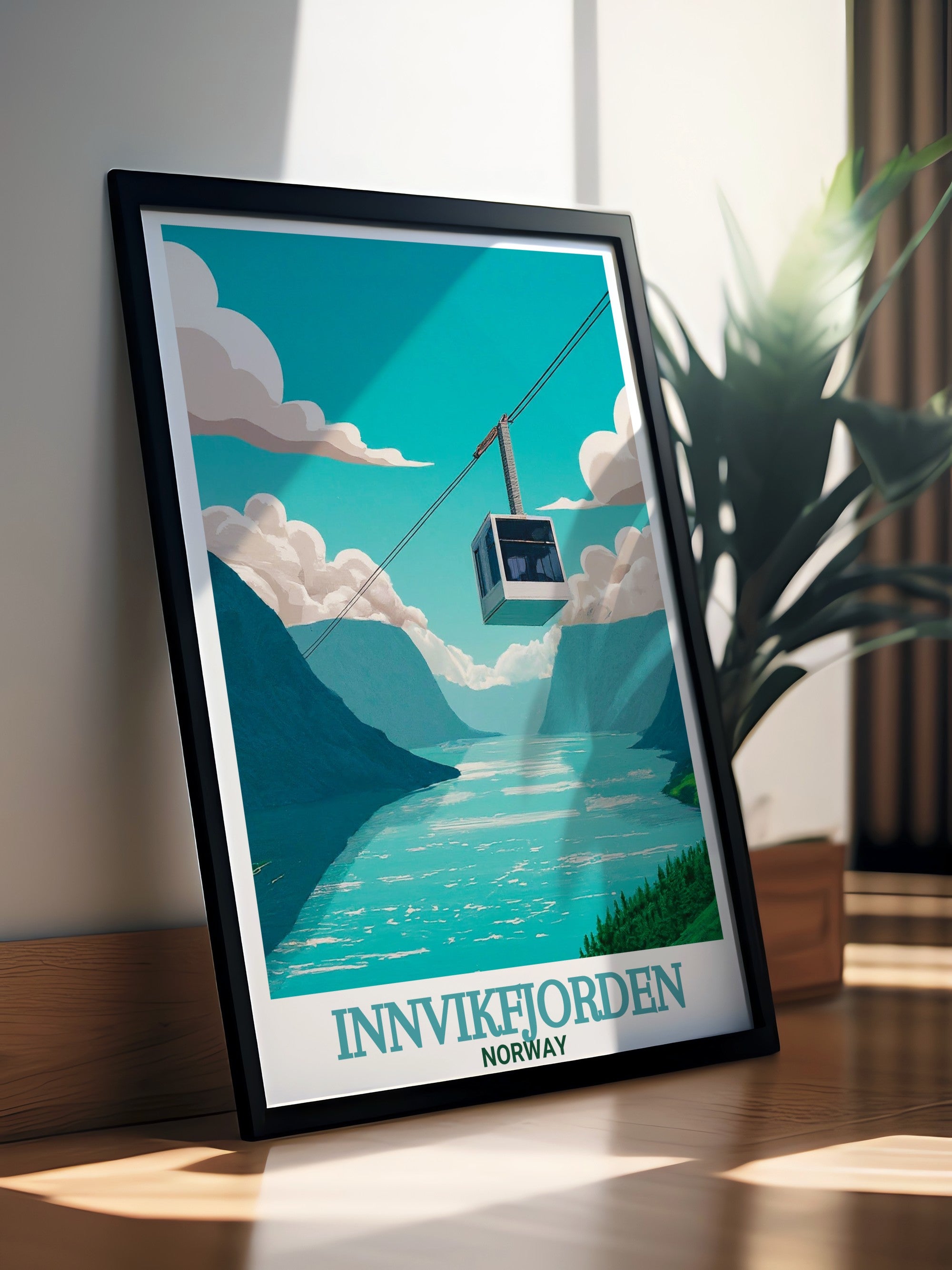
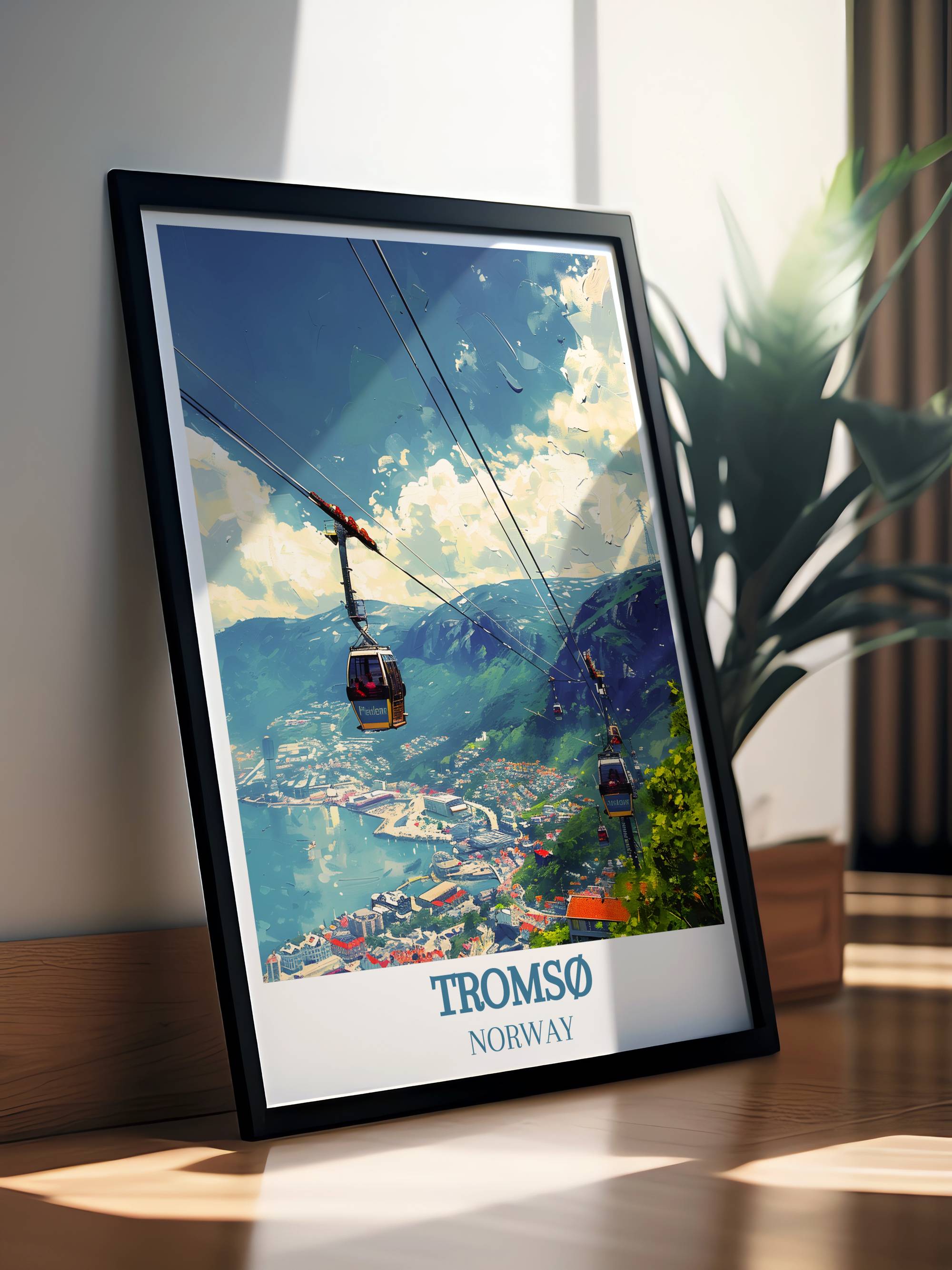
Loen Skylift – Experience and adventure resonates
Buyer's Question Bank: Expert Answers
Making Your Purchase Decision
Norwegian art for sale spans extraordinary range—from €20 mass-market prints to €100,000+ museum-quality originals. Making informed purchases requires understanding the market you're entering.
Knowledge protects your investments.
Start with clarity about your intentions. Are you decorating your space, building a modest collection, or making serious investment purchases? Different price points and sources make sense for different goals. €200 quality prints for decoration differ fundamentally from €3,000 emerging artist originals for investment.
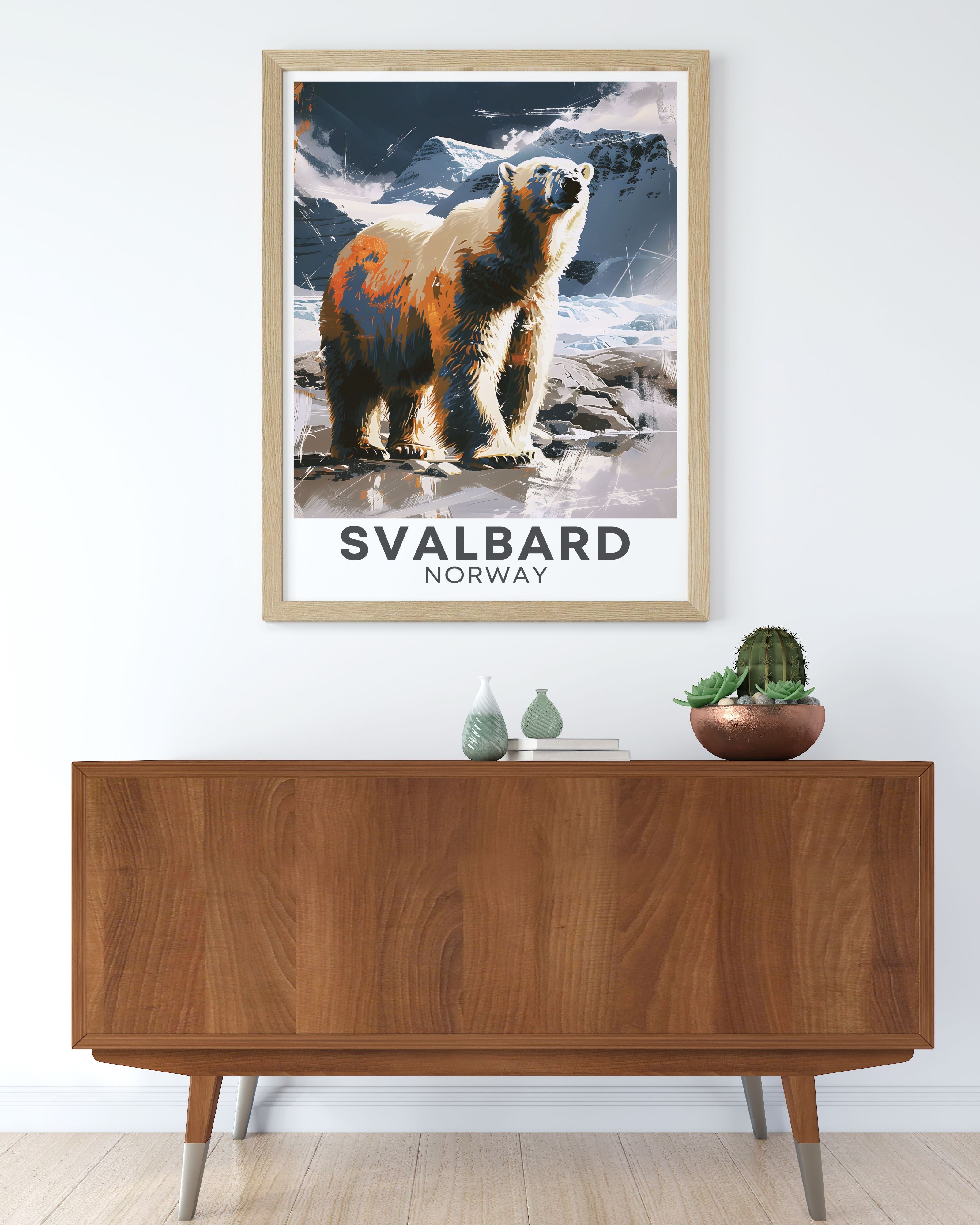
Svalbard – Arctic subjects attract intrepid collectors
Source credibility matters enormously. Museums, established galleries, and specialist retailers invest reputations in authenticity. Budget marketplace sellers may prioritize volume over verification. This doesn't mean avoiding casual sellers—just means requiring additional due diligence.
Authentication expertise exists for a reason. Professional appraisals protect significant investments far more cost-effectively than problems discovered later. A €200 appraisal protecting a €3,000 piece makes financial sense.
Ready to purchase? Explore our curated selection of authenticated Norwegian art prints and canvas works, or dive deeper into landmark-specific recommendations in our Norway Art Prints guide.
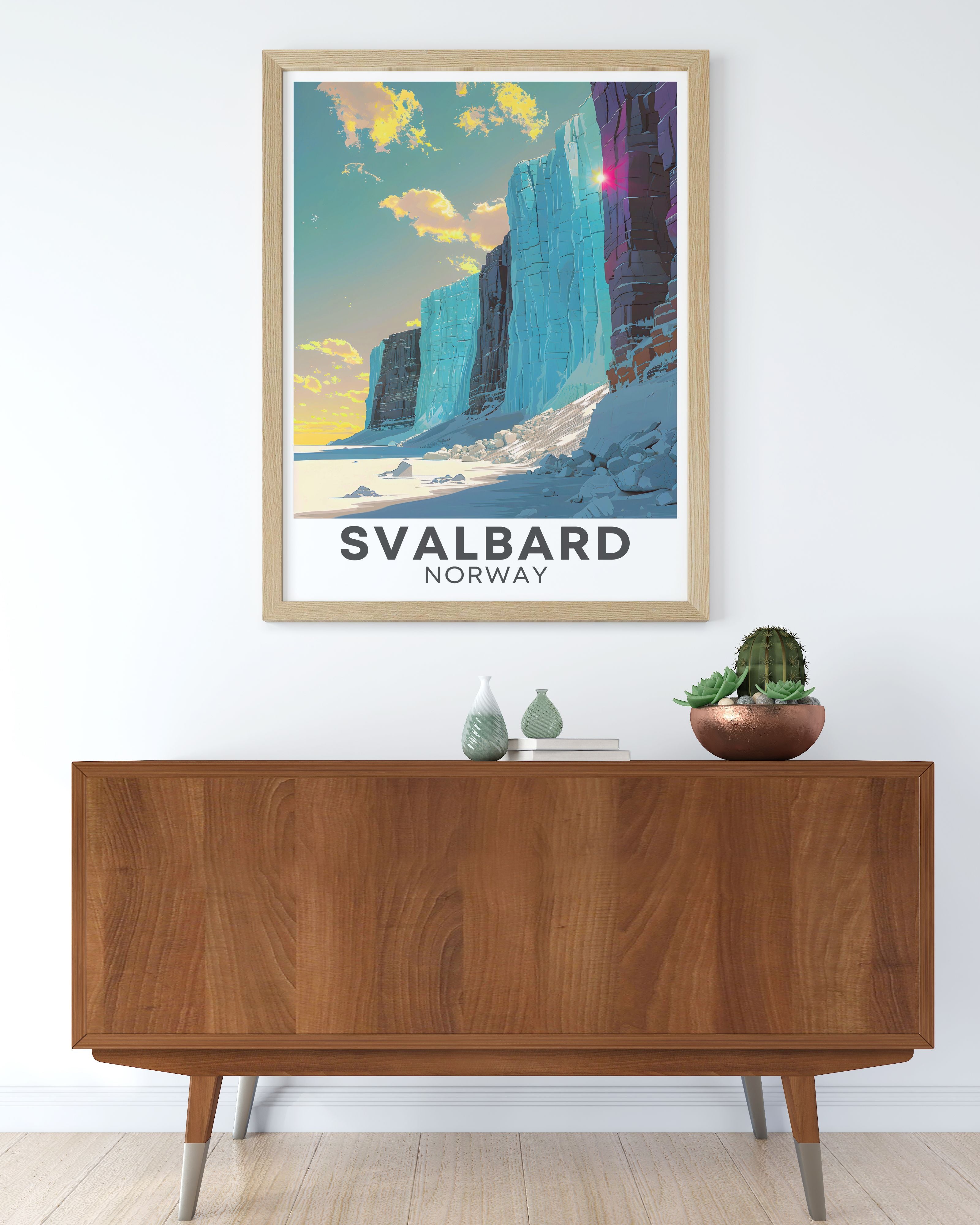
Nordenskiold – Glacial subjects inspire awe
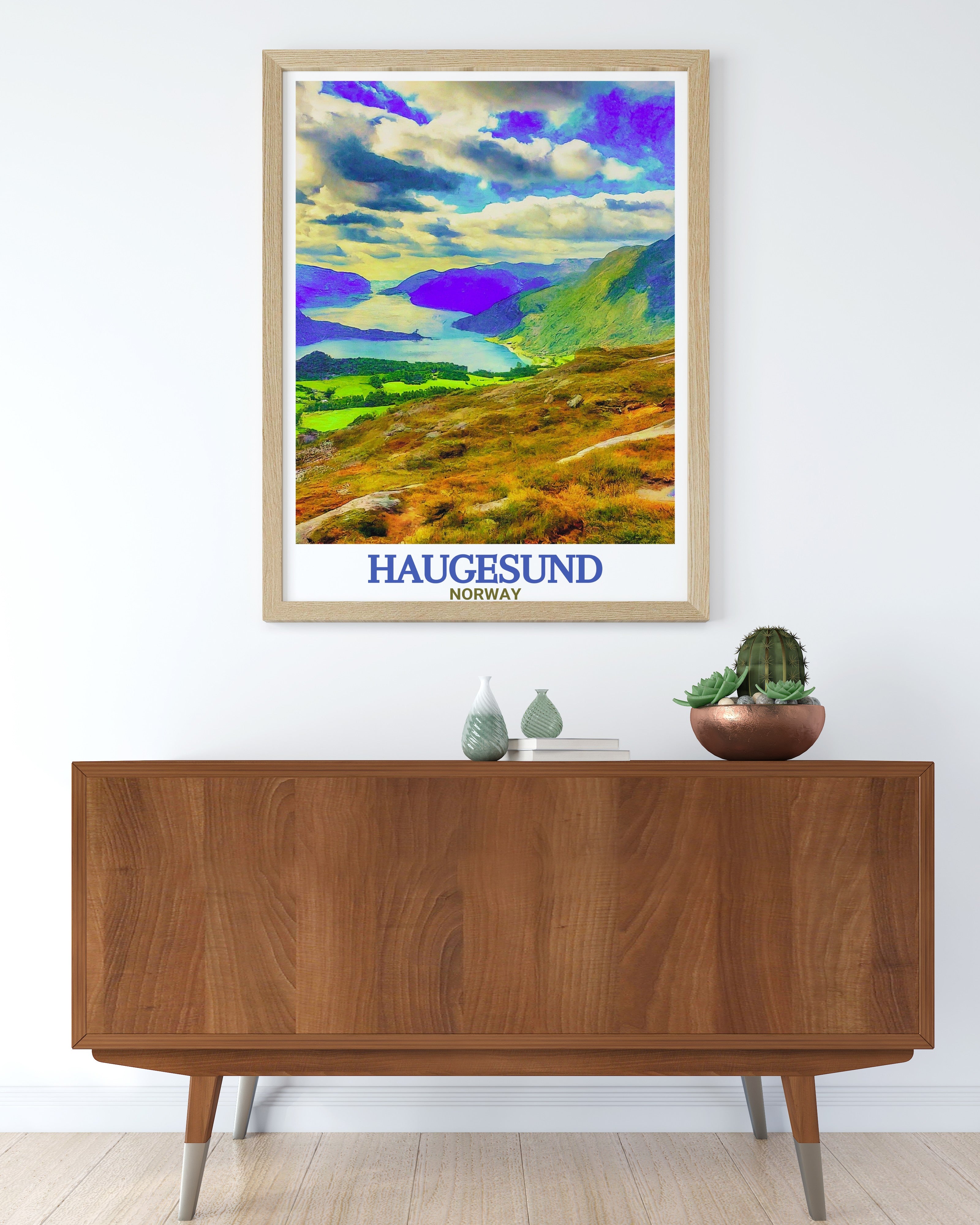
Steinsfjellet – Coastal drama appeals universally
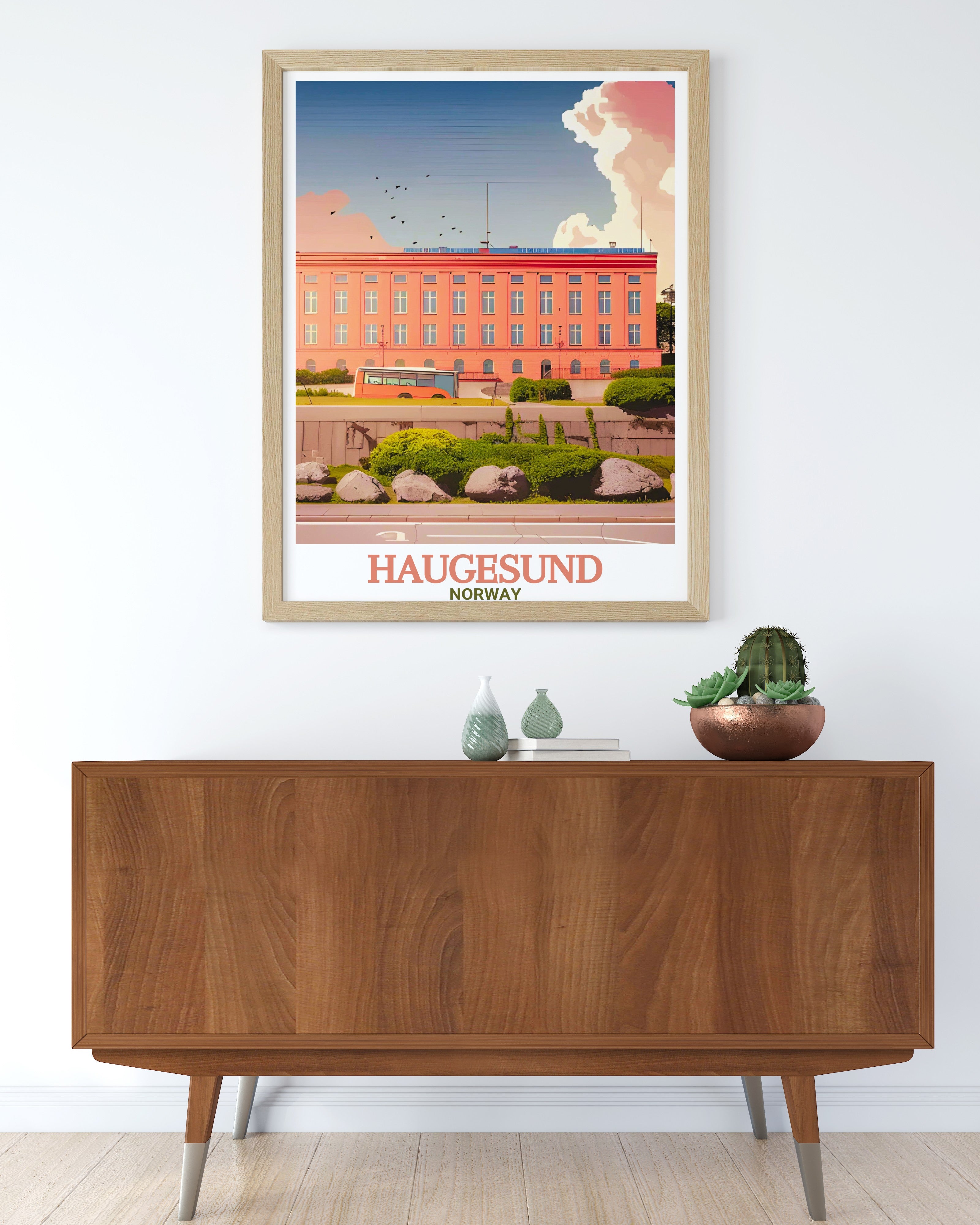
Haugesund City Hall – Urban architecture appreciates
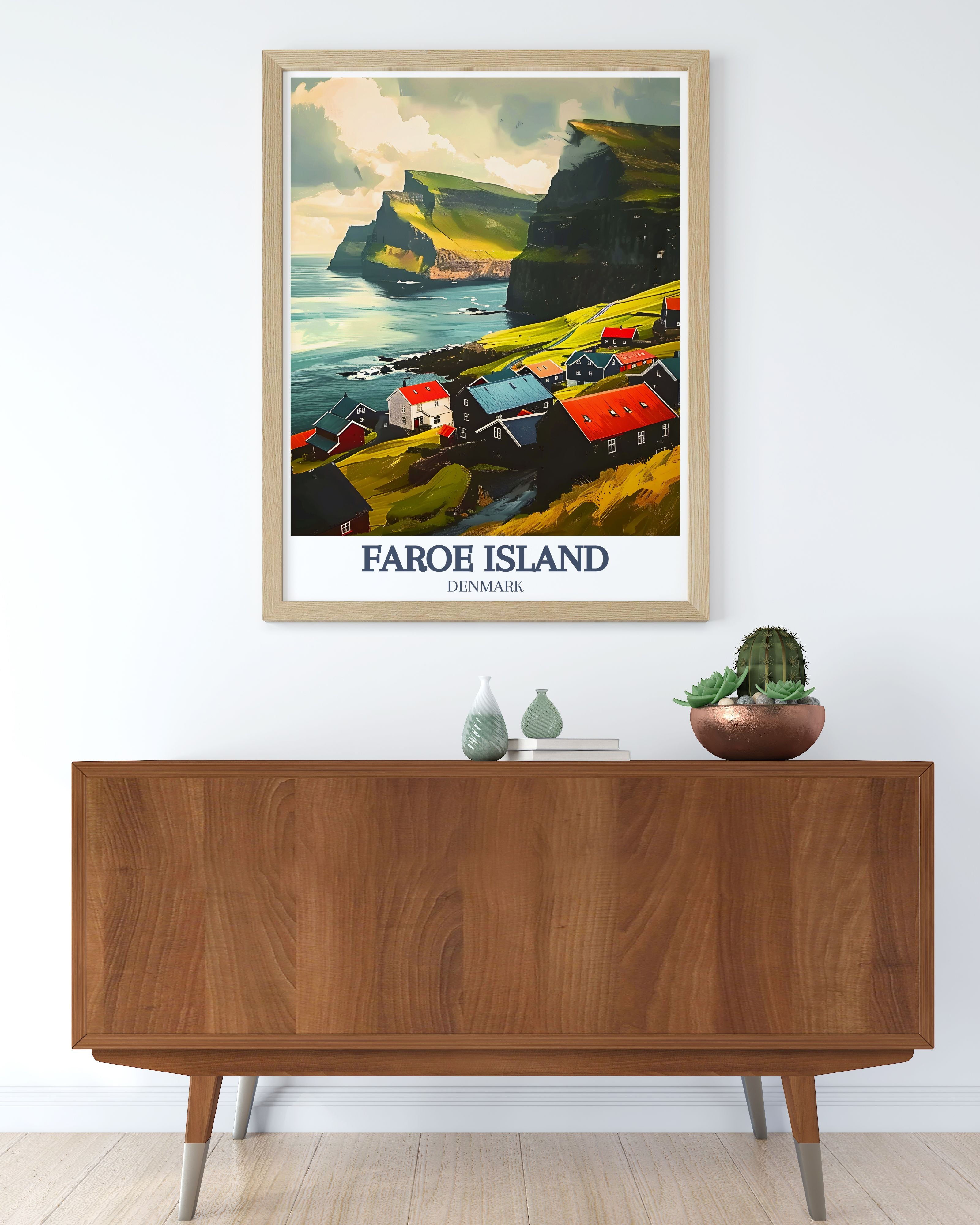
Bøur Village – Settlement subjects resonate authentically
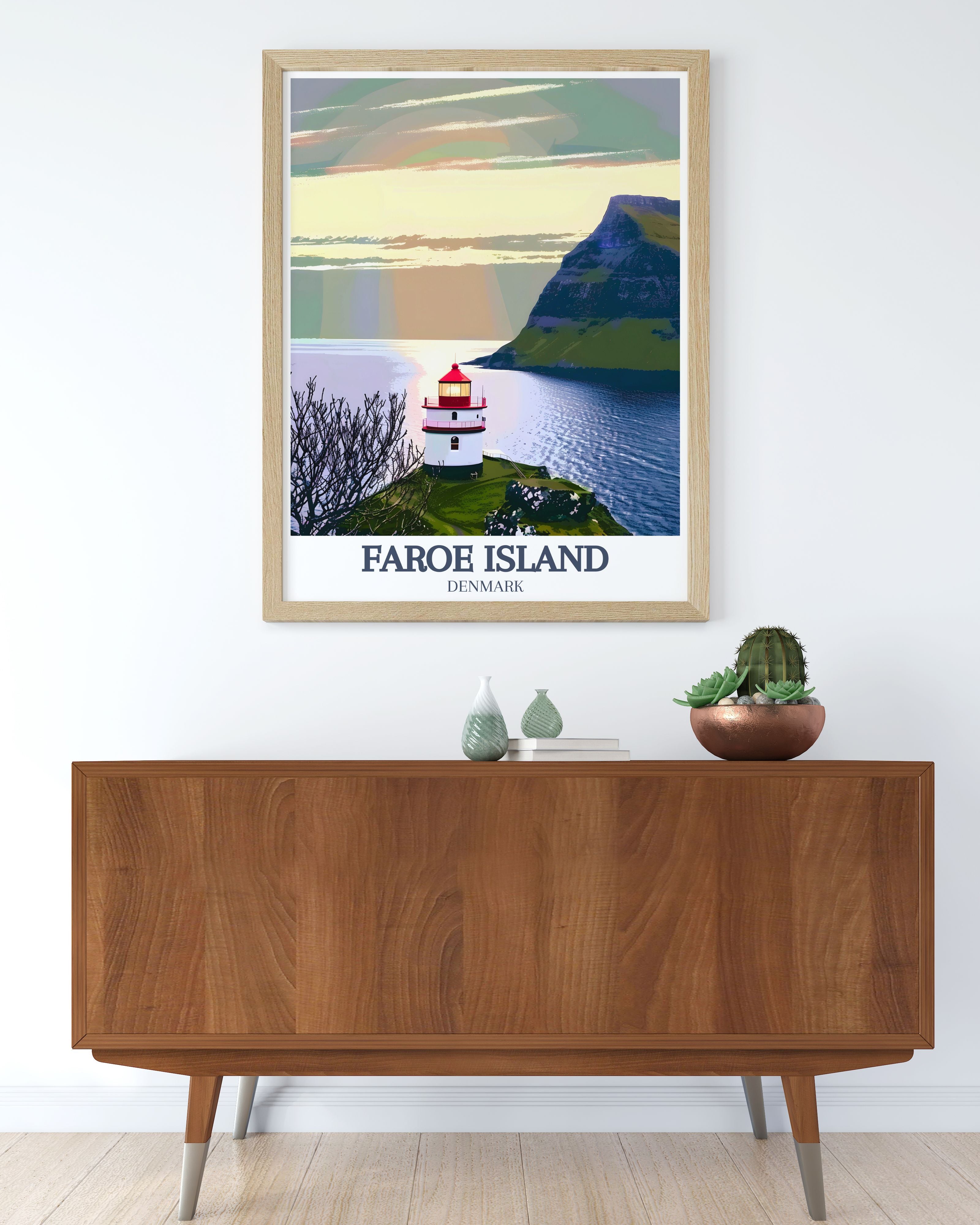
Kallur Lighthouse – Navigational symbols carry meaning


