
Large Lighthouse Wall Art: Statement Pieces, Sizing Psychology & Room Transformation
Large Lighthouse Wall Art: Statement Pieces, Sizing Psychology & Room Transformation
🌊 Command Attention: Mastering Scale, Impact & Focal Point Excellence
📑 Quick Navigation
- The Psychology of Large Wall Art & Visual Dominance
- Sizing Rules: Proportions That Command Attention
- Statement Pieces: Focal Point Creation & Room Transformation
- Installation Challenges & Wall Preparation for Large Formats
- Room-By-Room Sizing Strategy
- Viewing Distance & Optimal Scale Psychology
- Multiple Large Pieces: Gallery Wall Mastery
- Budget & Value for Large Lighthouse Artwork
- Large Format Questions Answered
- Your Large Art Selection Strategy
The Psychology of Large Wall Art & Visual Dominance
Size transforms perception fundamentally. A 24x36 inch lighthouse print is decoration. A 40x60 inch version becomes architecture—a structural element that redefines entire rooms through visual weight and commanding presence.
Large art doesn't hang on walls.
It anchors them. Large lighthouse wall art operates on psychological principles separate from conventional decorative rules. When artwork occupies 40-50% of visible wall space, it shifts from supporting element to primary focal point. This transformation requires understanding scale psychology, installation realities, and strategic positioning ensuring large pieces amplify rather than overwhelm spaces.
The difference between appropriately-scaled large art and oversized mistakes separates professional interior design from amateur decoration. This comprehensive exploration of large format lighthouse artwork teaches the strategic thinking professional designers apply when selecting statement pieces that command attention while harmonizing with existing spaces.
Sizing Rules: Proportions That Command Attention
The 40-50% Wall Coverage Rule
Professional designers follow a fundamental principle: large statement pieces should occupy 40-50% of total wall space. This percentage creates visual completion—rooms feel finished, intentional, and professionally curated rather than haphazardly decorated.
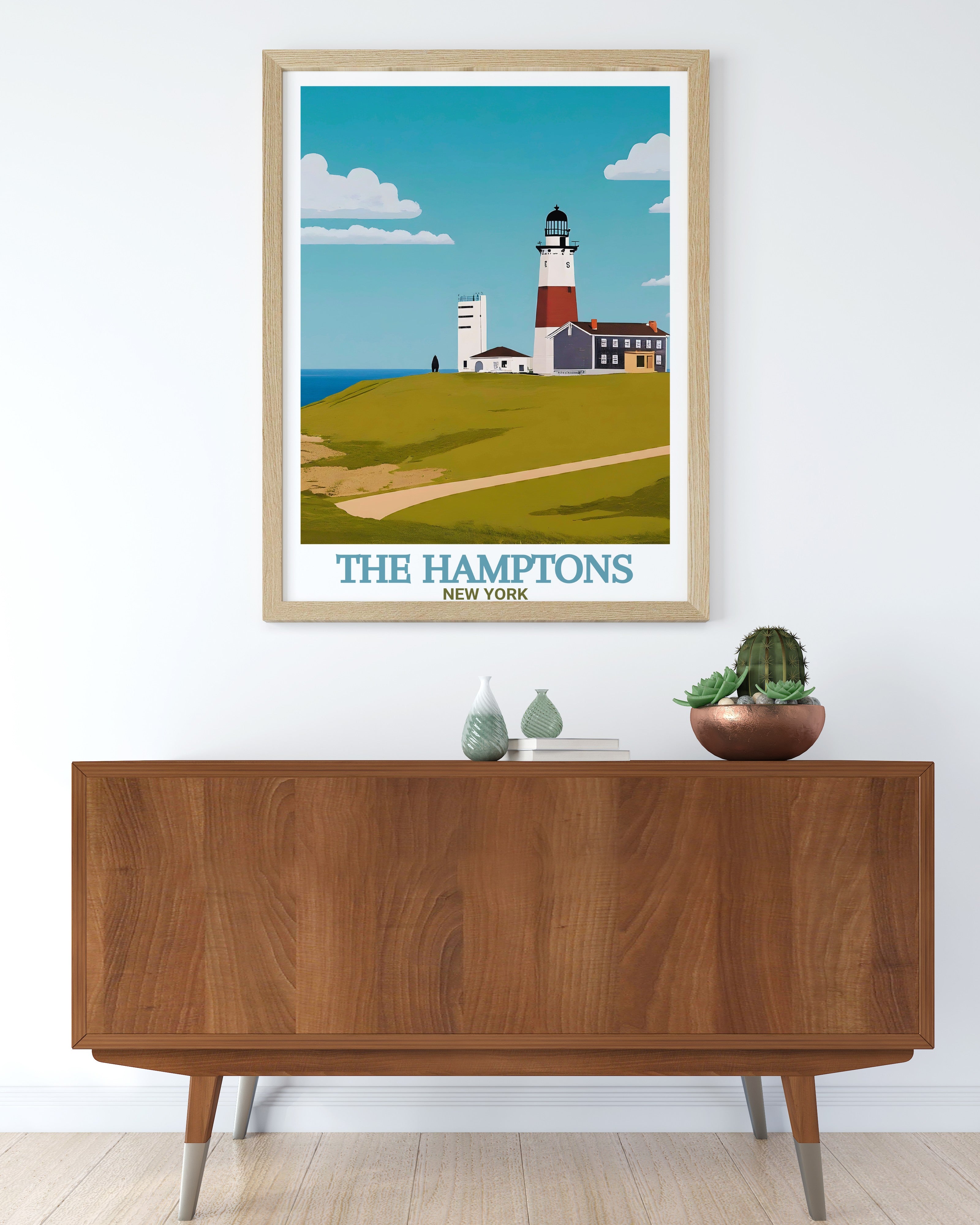
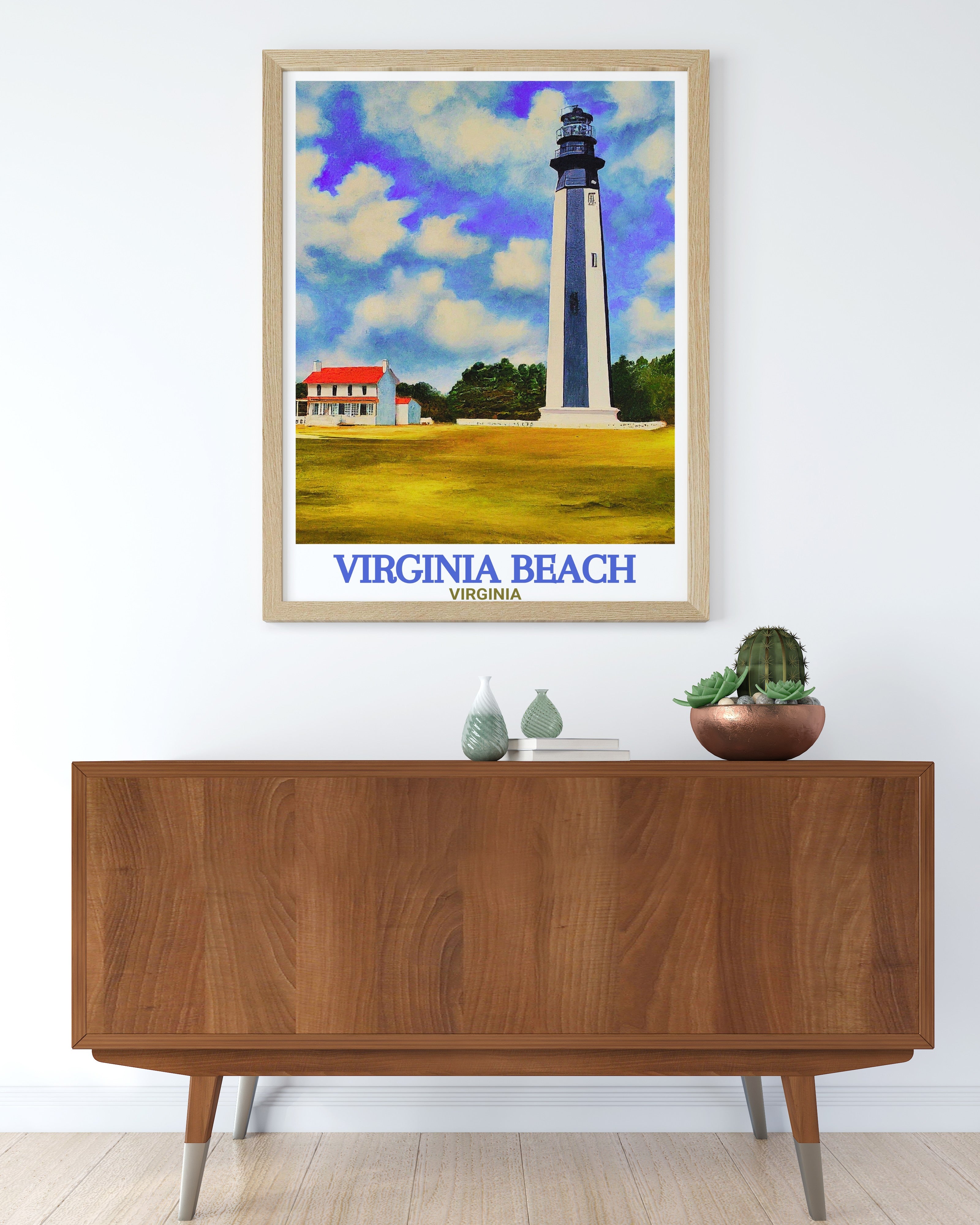
Montauk Point – Statement piece dominance through strategic scale
Proportion creates visual harmony.
Undersizing creates institutional emptiness—rooms feel incomplete, waiting for the art that never arrives. Oversizing overwhelms, creating claustrophobic tension despite spacious ceilings. The 40-50% sweet spot triggers psychological completion satisfying human perception of proportion and balance.
Measuring Before Purchasing
Never select large artwork without precise wall measurements. Measure wall width and height. Account for furniture: couches, entertainment centers, fireplace mantels. Calculate remaining clear wall space. Multiply by 0.40-0.50 to determine ideal artwork dimensions.
Example: 10-foot-wide wall, 8-foot ceiling. Total wall space = 80 square feet. 40% coverage = 32 square feet. Optimal large art = approximately 36x48 inches (18 square feet should be the minimum starting point).
Statement Pieces: Focal Point Creation & Room Transformation
What distinguishes statement pieces: They command rooms immediately upon entry. Visitors' eyes migrate naturally to large lighthouse artwork before noticing other décor. This visual hierarchy signifies intentional design elevating entire spaces from decorated to professionally curated.
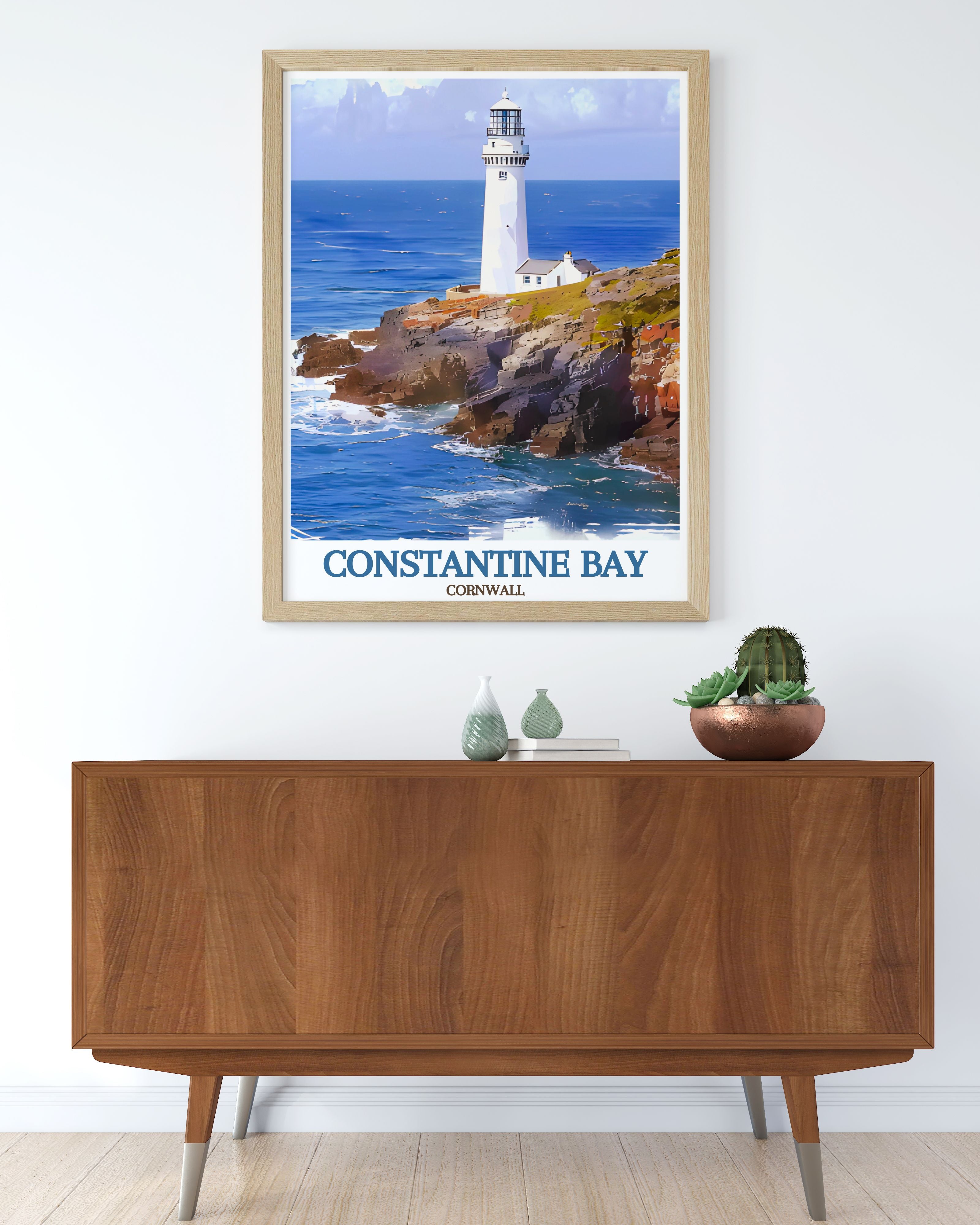
Trevose Head – Focal point elevation through large format mastery
Large lighthouse artwork functions as silent conversation starters. Guests pause, comment, inquire. This engagement transforms artwork from passive decoration into interactive design element generating dialogue and admiration. Statement pieces elevate perceived interior design competence exponentially.
Installation Challenges & Wall Preparation for Large Formats
Large wall art presents practical challenges absent in smaller pieces. Weight distribution becomes critical. 40x60 framed prints exceed 100 pounds requiring structural-grade wall anchors, stud-location verification, and professional installation consideration.
Pre-installation assessment: Locate wall studs. Verify drywall thickness and quality. Check for hidden plumbing or electrical. Large pieces mounted improperly cause catastrophic damage and safety hazards. This reality necessitates professional-grade installation for pieces exceeding 36x48 inches or 50 pounds.
Large art demands serious wall consideration.
Room-By-Room Sizing Strategy
| Room Type | Wall Dimensions | Ideal Art Size | Strategic Placement |
|---|---|---|---|
| Living Room | 12'w x 8'h | 36x48 to 48x60 | Above sofa, above fireplace |
| Entryway | 8'w x 9'h | 32x48 to 40x50 | First impression focal point |
| Bedroom | 10'w x 8'h | 28x40 to 36x48 | Above bed, across from seating |
| Dining Room | 12'w x 8'h | 36x48 to 44x56 | Above buffet, accent wall |
Viewing Distance & Optimal Scale Psychology
Large artwork requires viewing distance to appreciate. A 60-inch print directly above a sofa where viewers sit 3 feet away overwhelms creating uncomfortable proximity. Large pieces function optimally at 8-12 feet viewing distance.
Entryways create natural viewing distance—visitors pause, appreciate from ideal distance, experience full visual impact. Living room walls opposing seating areas provide perfect vantage points. Consider traffic flow and seating positions determining where viewers naturally observe artwork from sustained distances.
Multiple Large Pieces: Gallery Wall Mastery
Multiple large lighthouse pieces create museum-quality gallery walls. Successful arrangements require mathematical precision: consistent spacing (2-3 inches between frames), unified visual weight, intentional variety preventing monotony.
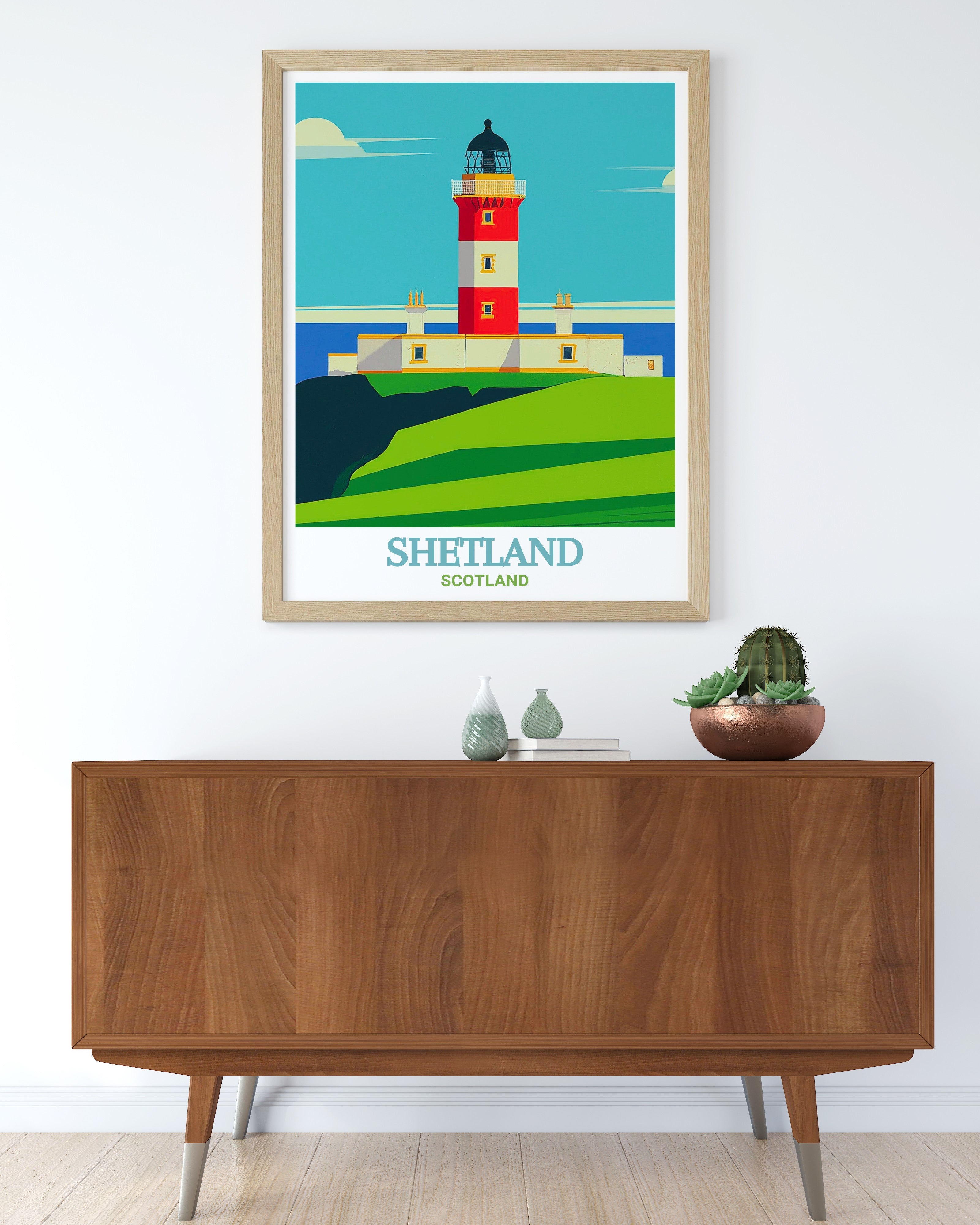
Sumburgh Head – Multiple large pieces create curated galleries
Budget & Value for Large Lighthouse Artwork
Large format artwork represents significant investment. Premium canvas prints (40x60 inches) range €400-800. Professionally framed pieces exceed €1,500. This investment reality requires selecting pieces you'll cherish for decades not impulsively acquire.
The value proposition justifies expense through room transformation impact. A single large statement piece elevates perceived interior design quality more effectively than dozens of smaller decorative items. Professional designers leverage this psychological principle: fewer, larger, higher-quality pieces outperform scattered abundance.
Building your complete lighthouse wall art strategy? Explore these complementary resources:
🎯 Key Takeaways
- Scale psychology matters: 40-50% wall coverage creates visual completion; undersizing leaves rooms empty, oversizing overwhelms
- Statement pieces command attention: Large art functions as room architecture, not decoration—visitors notice immediately
- Measurement precedes purchase: Calculate precise wall space before selecting dimensions ensuring professional proportion
- Installation requires expertise: Large pieces demand structural-grade anchors and professional installation surpassing DIY capacity
- Viewing distance determines success: Large artwork optimizes at 8-12 feet distance; closer proximity overwhelms perception
- Room placement strategy critical: Entryways, fireplace walls, and sofa-opposing walls create ideal focal point positioning
- Investment justifies quality: Single large premium piece outperforms scattered smaller decoration through visual hierarchy
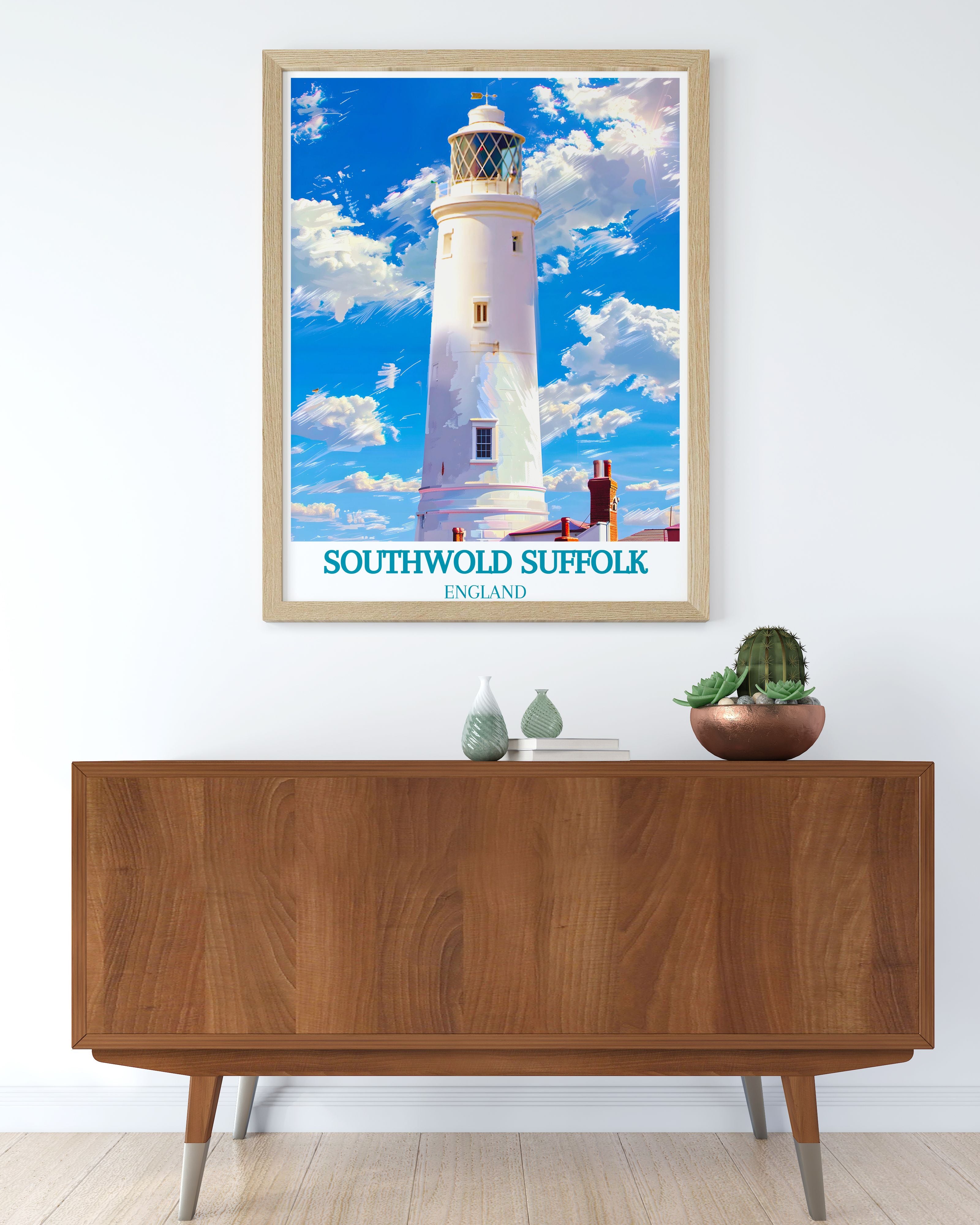
Southwold – Elegant presence through large format mastery
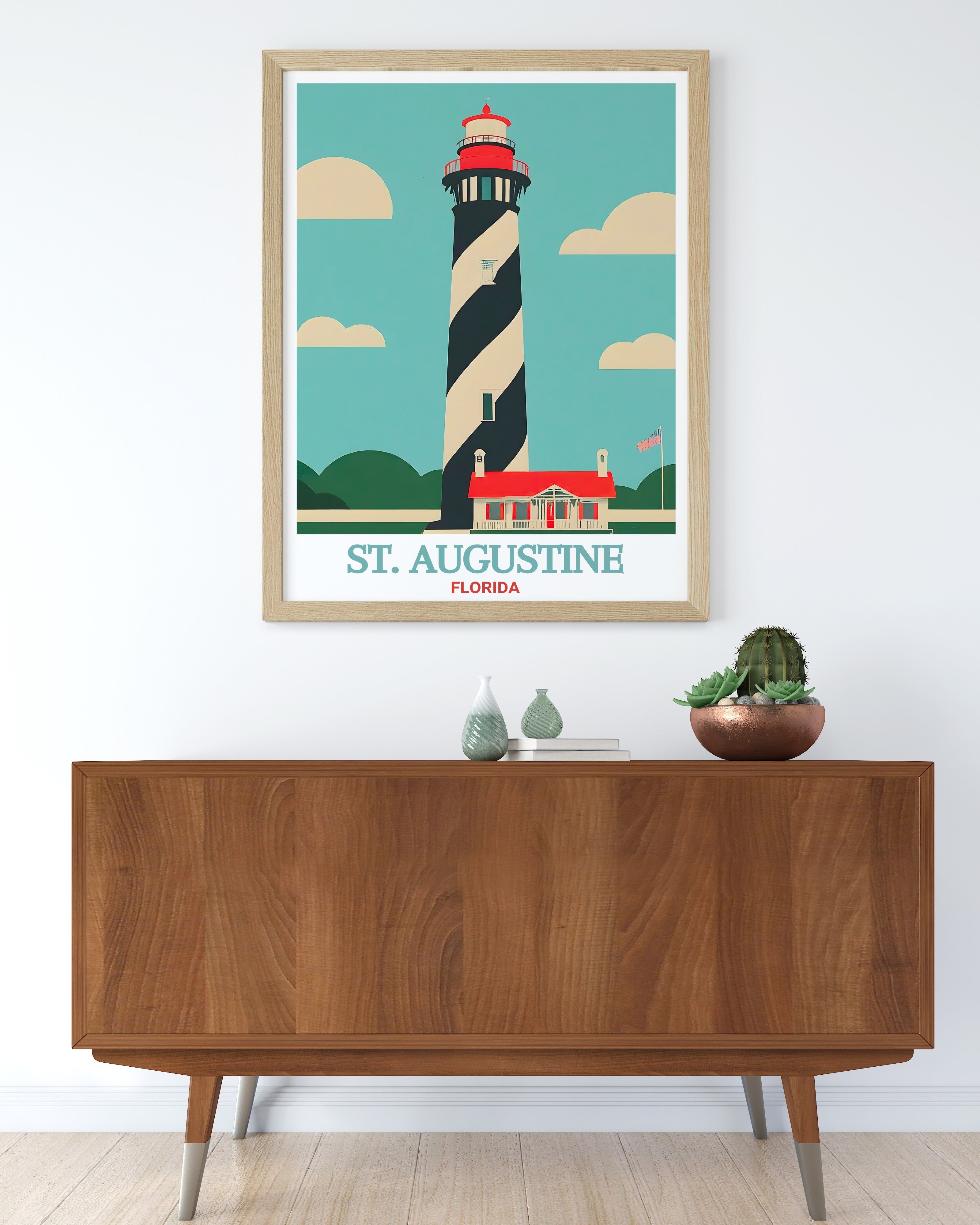
Augustine – Historic heritage through scale presence
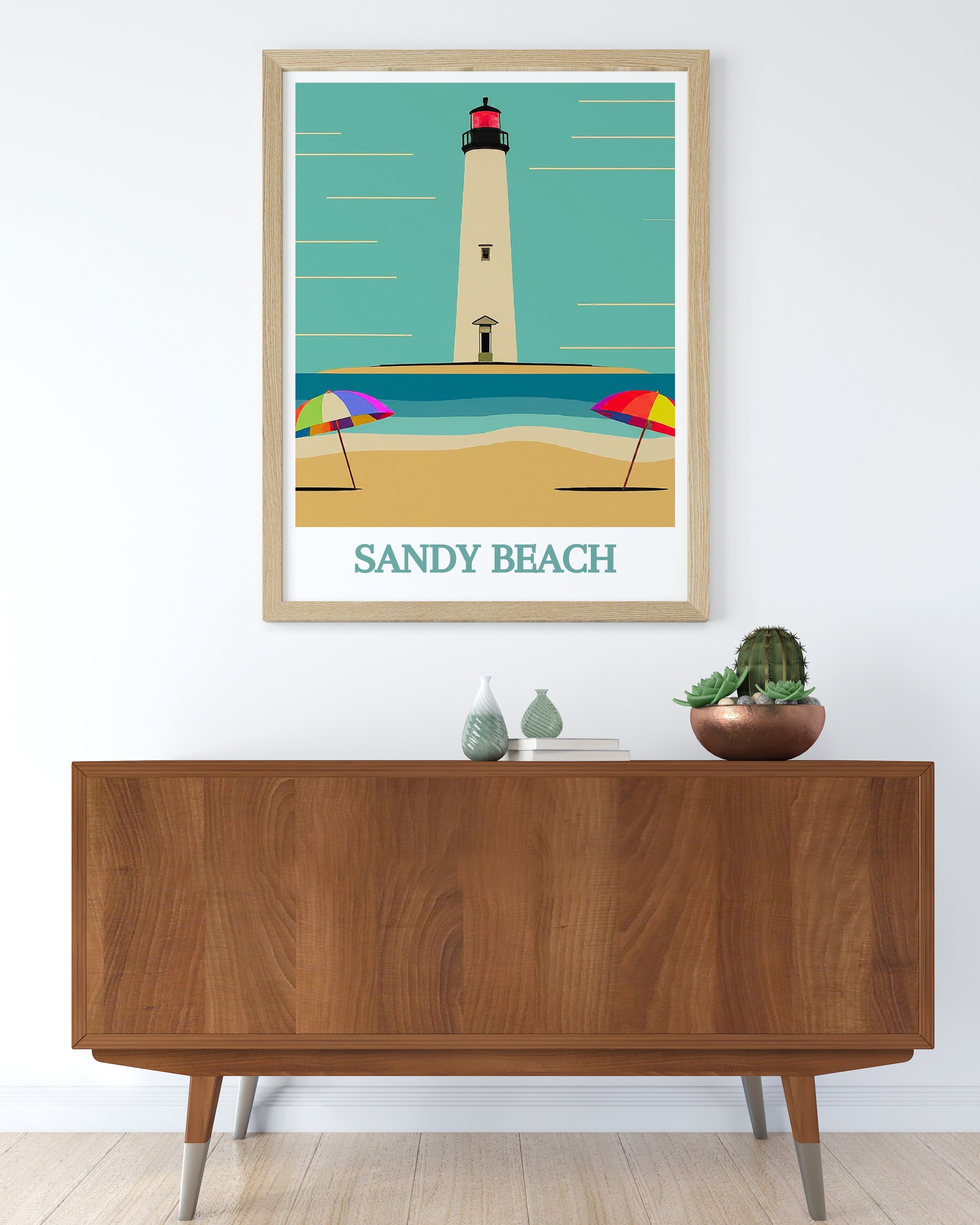
Sandy Beach – Serenity amplified through scale
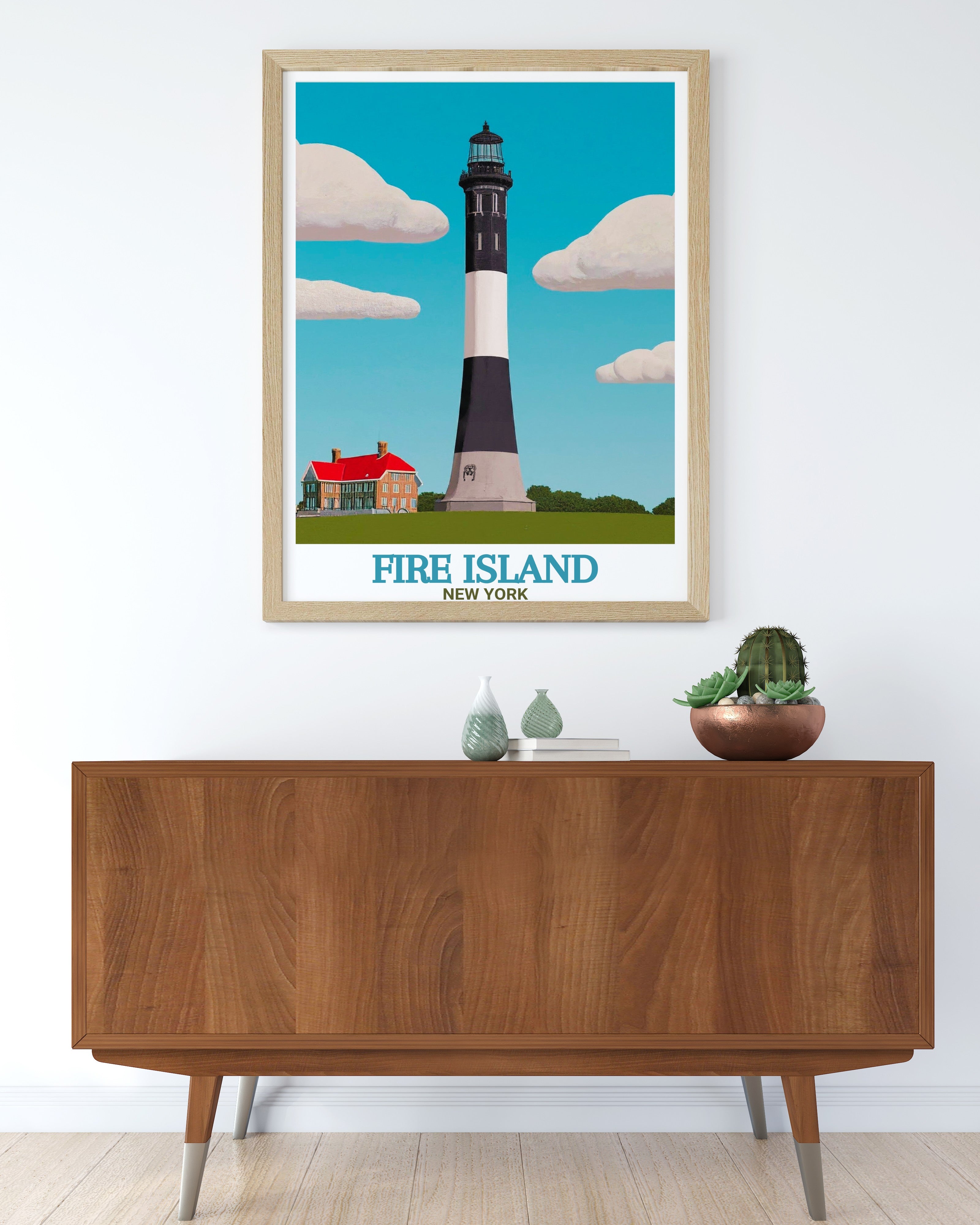
Fire Island – Geometric drama at scale
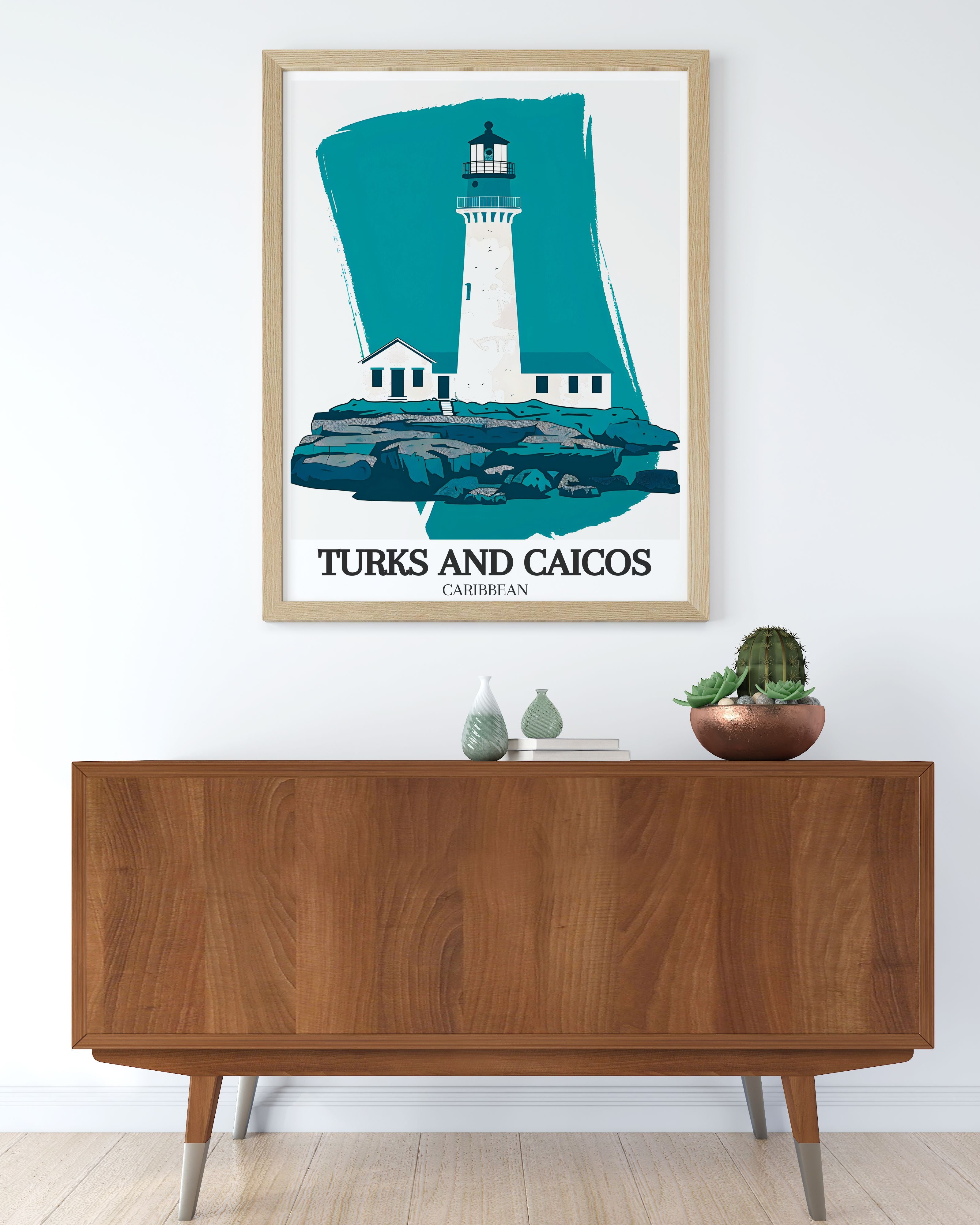
Grand Turk – Island charm through large format
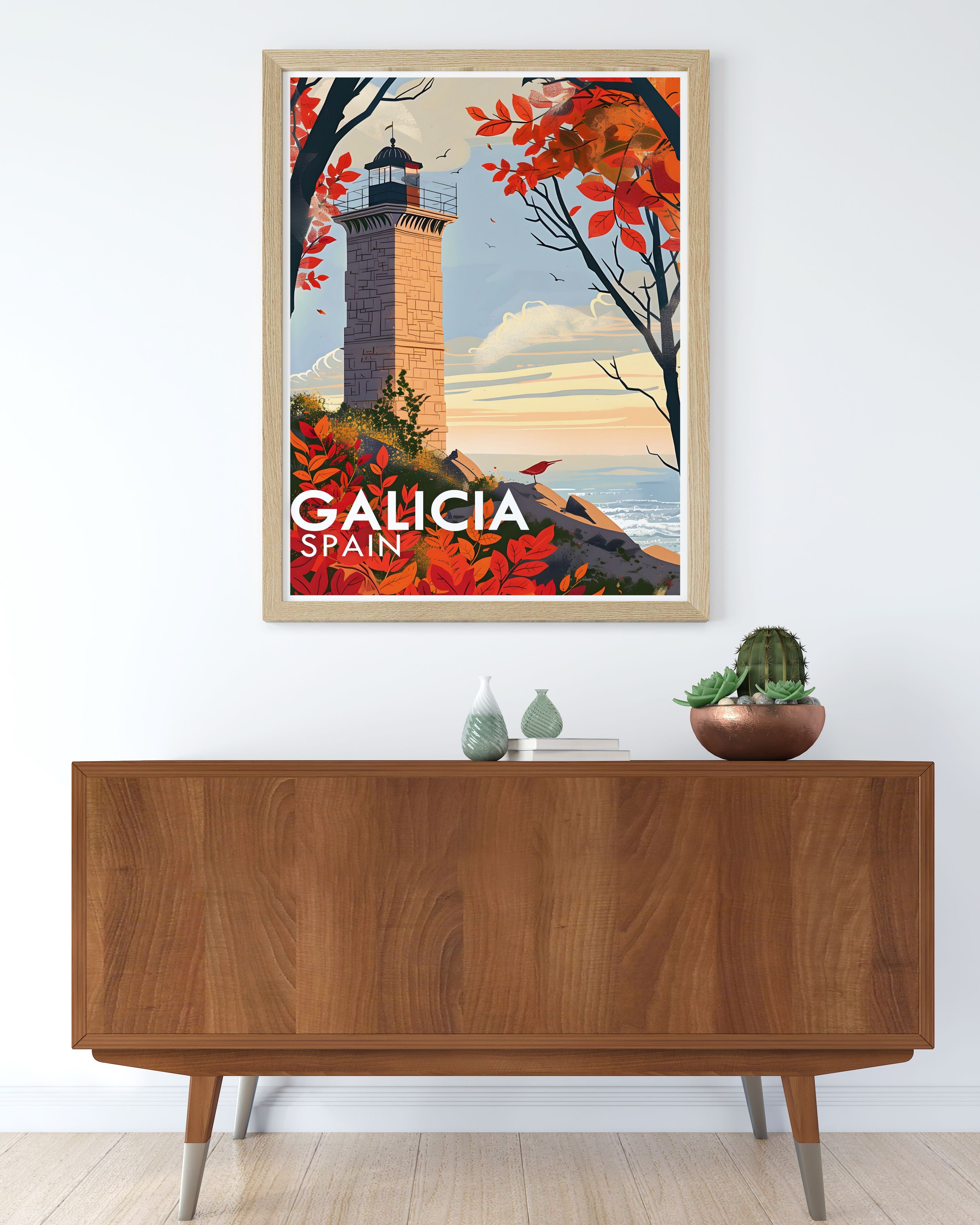
Tower Of Hercules – Ancient heritage at monumental scale
Large Format Questions Answered
Your Large Art Selection Strategy
Large lighthouse wall art transforms spaces fundamentally. When selected strategically, sized proportionally, and installed professionally, monumental pieces elevate interior design from decorated to professionally curated.
Scale changes everything.
The difference between amateur decoration and professional design often centers on scale. Small accessories scattered throughout rooms create visual chaos. Single large statement pieces create focused impact—visual hierarchy that guides eye movement and establishes room design authority.
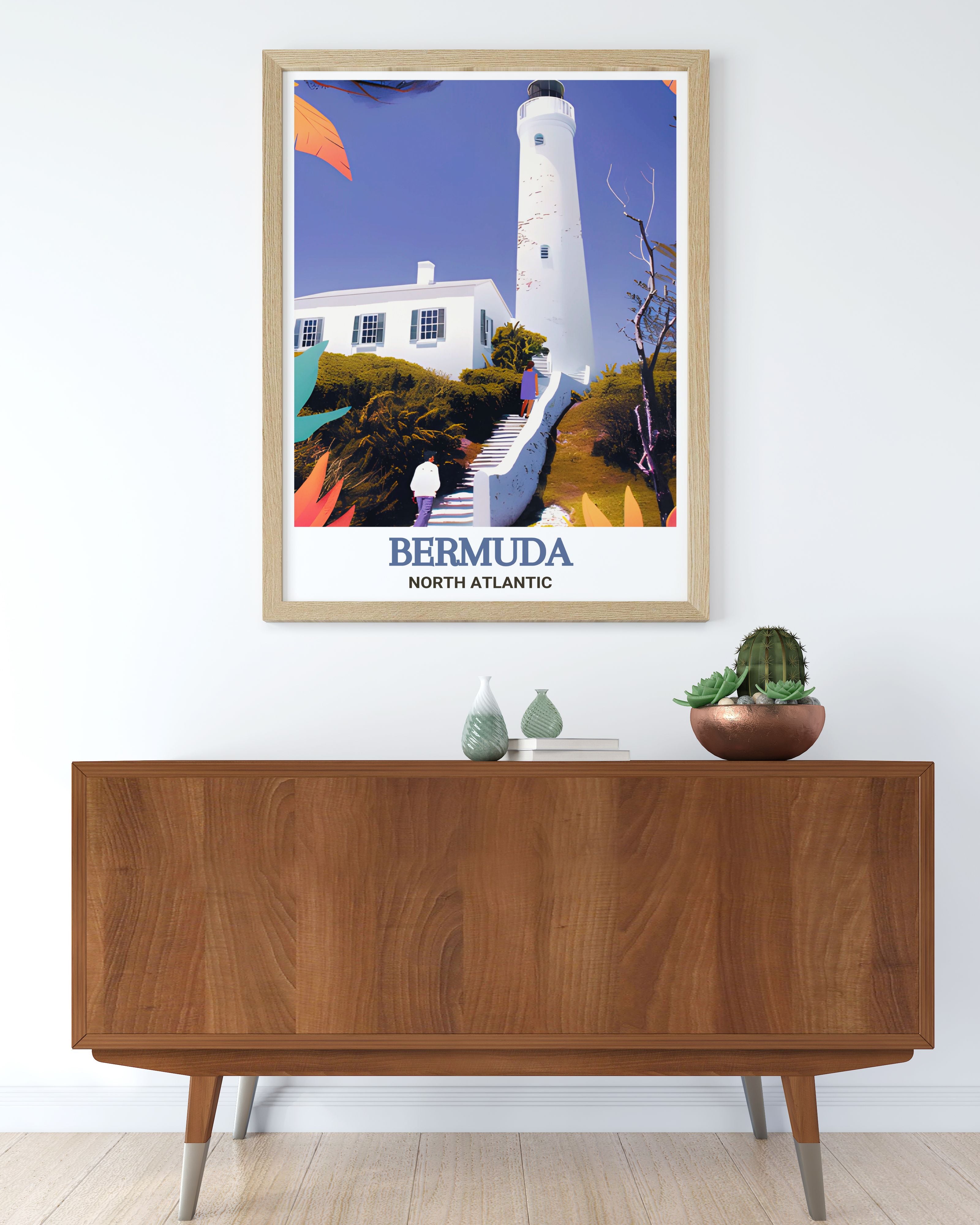
Gibbs Hill – Monumental elegance at scale
Begin with precise measurements understanding your wall space absolutely. Calculate 40-50% coverage ensuring proportional harmony. Consider viewing distances and traffic flow determining optimal placement. Finally, invest in quality knowing large pieces you'll cherish for decades justify premium pricing.
Ready to command your space with large lighthouse artistry? Explore our curated large format collection, each piece selected for statement-making presence and compatibility with diverse room scales. Our sizing experts understand how scale psychology transforms spaces into gallery-quality environments.


