
Lighthouse Canvas Wall Art: Types, Techniques & Modern Display Mastery
Lighthouse Canvas Wall Art: Types, Techniques & Modern Display Mastery
🎨 The Complete Canvas Strategy for Coastal Home Transformation
📑 Quick Navigation
- Canvas Wall Art: Why It Outperforms Other Formats
- Canvas Types: Material Science Explained
- Stretching Techniques & Stretcher Bar Mastery
- Sizing Psychology: Proportions That Transform Rooms
- Installation & DIY Display Strategy
- Care & Longevity: Preserving Canvas Beauty
- Canvas vs Framed vs Metal: Strategic Comparison
- Modern Aesthetic: Canvas in Contemporary Design
- Canvas Display Questions Answered
- Your Canvas Selection Strategy
Canvas Wall Art: Why It Outperforms Other Formats
Canvas represents the format revolution in modern wall art. While framed prints convey formality and metal prints deliver drama, canvas achieves something photographers and designers have sought for centuries: invisible presentation allowing artwork to dominate attention without visible structure competing for visual focus.
Canvas creates pure visual presence.
A lighthouse painting stretched across stretched canvas disappears into your wall becoming the room's natural focal point. The soft texture invites closer inspection. The borderless presentation feels gallery-quality. The tactile surface reflects light subtly, creating depth that glossy framed prints cannot match. Beyond aesthetics, canvas offers practical advantages: durability, affordability, and installation simplicity that other formats struggle to match.
Understanding canvas-specific advantages, material science, stretching techniques, and display psychology transforms you from casual art buyer into intentional curator capable of selecting canvas pieces that genuinely transform spaces rather than merely decorate walls.
Canvas Types: Material Science Explained
Cotton Canvas: Heritage & Professional Standard
Professional artists have trusted cotton canvas for centuries. The material offers superior longevity, natural aging characteristics that improve with years, and archival properties ensuring prints survive decades without deterioration or yellowing.
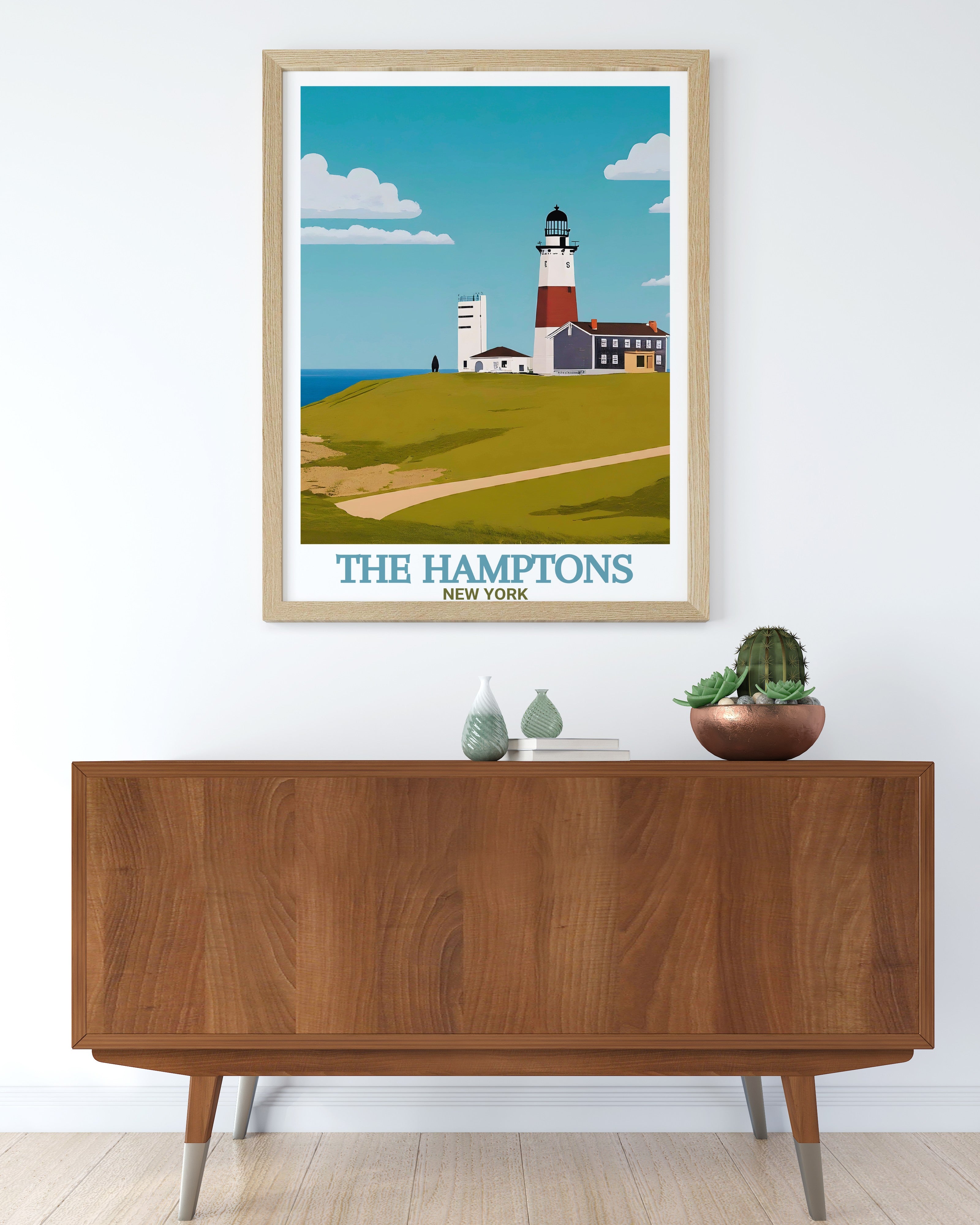
Montauk Point – Cotton canvas preserves colors magnificently
Cotton canvas ages like fine wine.
The slight texture of cotton provides tactile richness prints on smoother surfaces cannot achieve. When light strikes cotton canvas, it scatters softly creating dimensional depth. The natural fiber absorbs and distributes inks evenly preventing glossy pooling that synthetic materials sometimes exhibit.
Poly-Cotton Blend: Performance & Practicality
Poly-cotton combines cotton's heritage with polyester's durability creating the sweet spot for most decorative applications. This blend resists humidity better than pure cotton, moisture-wicks away from fibers, and prevents mildew growth in bathrooms or coastal environments where moisture exists.
The blend maintains cotton's visual characteristics while adding practical durability. For living spaces, bathrooms, and humid environments, poly-cotton represents optimal choice balancing longevity with aesthetic excellence.
Synthetic Canvas: Budget-Friendly Durability
High-quality polyester canvas offers remarkable durability and affordability. While lacking cotton's heritage patina, modern synthetic canvases resist fading, humidity damage, and environmental stress with impressive resilience.
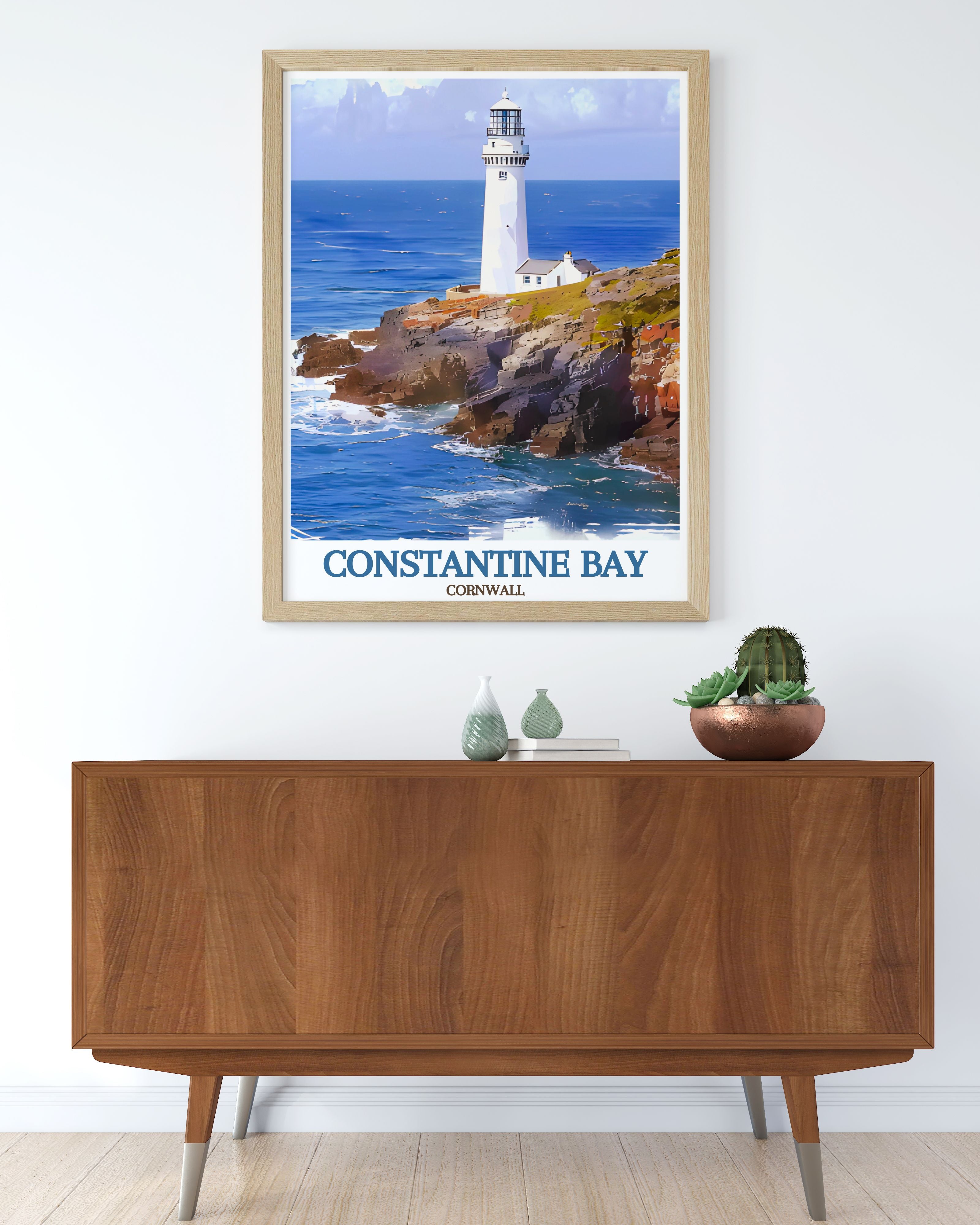
Trevose Head – Synthetic canvas offers practical longevity
Stretching Techniques & Stretcher Bar Mastery
Standard stretching: Canvas is stretched taut across wooden stretcher bars creating the borderless appearance that defines gallery-quality presentation. Stretching tension must be perfectly balanced—too loose creates wrinkles, too tight can distort images or damage stretcher bars.
Stretcher bar thickness: Standard bars measure 1 inch (small prints) to 1.5 inches (large pieces). Thicker bars provide stability, visual presence, and structural integrity for larger pieces. The depth creates shadow lines along canvas edges adding dimensional refinement.
Stretching is invisible engineering.
Gallery wrapping technique: Canvas wraps around stretcher bars and continues across the back creating seamless presentation. Edges can wrap artwork (image continues), or leave bars showing (minimalist look). Wrapped edges are preferred for modern displays creating gallery illusion.
Sizing Psychology: Proportions That Transform Rooms
Canvas size dramatically impacts room perception and visual authority. The relationship between artwork, wall space, and furniture creates either harmony or visual confusion.
| Space Size | Ideal Canvas Size | Visual Impact | Perfect For |
|---|---|---|---|
| Small (8x10) | 11x14 to 16x20 | Intimate focus | Bedrooms, bathrooms, narrow hallways |
| Medium (12x16) | 20x24 to 24x36 | Balanced presence | Living rooms, home offices, kitchens |
| Large (16x20+) | 32x48 to 40x60 | Commanding presence | Gallery walls, accent walls, feature spaces |
The "one-third rule" states artwork should occupy approximately one-third of available wall space. Undersized pieces appear isolated and insignificant. Oversized pieces dominate overwhelming rooms. Proper sizing creates visual completion making spaces feel intentionally designed.
Installation & DIY Display Strategy
Canvas installation surpasses framed artwork in simplicity. Pre-stretched canvases arrive with hanging hardware pre-installed—sawtooth hangers, d-rings, or wire ready for immediate wall mounting. Most installations require only two nail holes and 10 minutes of work.
Placement strategy matters enormously. Position canvas at 57 inches from floor (eye level for standing viewers). Ensure lighting: indirect natural light ideal, direct sunlight should be avoided, artificial lighting positioned above or to the side illuminating without creating glare.
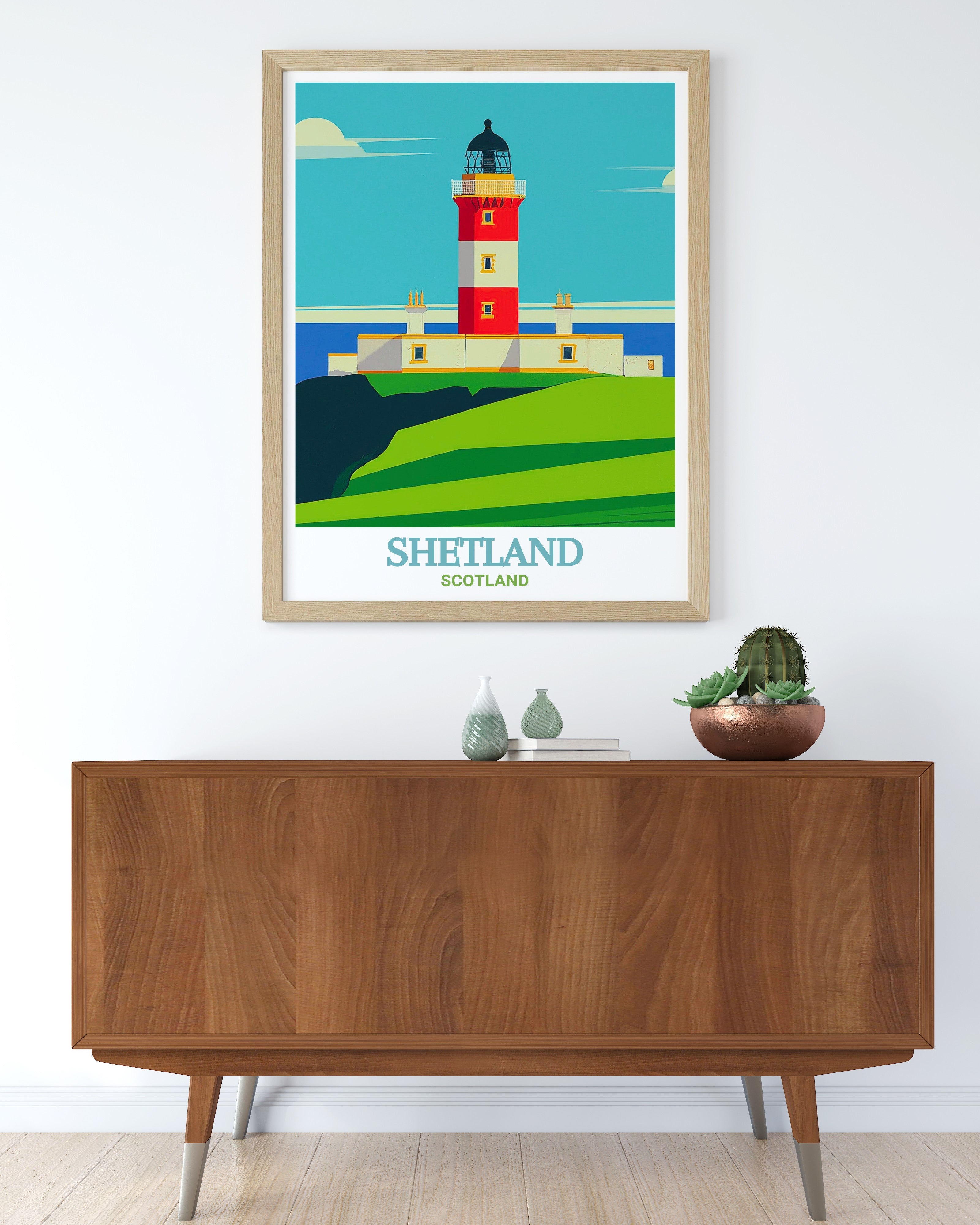
Sumburgh Head – Simple installation, dramatic impact
Canvas displays are refreshingly uncomplicated.
Canvas works beautifully in gallery arrangements where multiple pieces create curated collections. Maintain 2-3 inches spacing between frames for visual breathing room. Mix orientations (horizontal, vertical, square) for dynamic compositions that feel intentionally curated rather than symmetrically stiff.
Care & Longevity: Preserving Canvas Beauty
Dust gently: Use soft, dry cloths to remove dust from canvas surfaces. Never use damp cloths that could promote mildew or water damage. Regular dusting prevents dirt accumulation that can cause discoloration over time.
Avoid direct sunlight: Even UV-resistant inks fade under prolonged direct sun exposure. Position canvas where natural light illuminates without direct beam contact. Indirect morning light or afternoon shadows preserve colors indefinitely.
Climate control matters: Dramatic humidity swings can cause canvas expansion/contraction potentially loosening stretcher bars. Maintain relative humidity between 40-60% for optimal preservation. Avoid bathrooms with fluctuating moisture unless using humidity-resistant poly-cotton blends.
Prevention beats restoration always.
Professional inks ensure longevity: Quality canvas printing uses archival pigment-based inks resisting fading 100+ years in indirect light. Budget canvas printing uses lower-quality inks deteriorating within 10-15 years. The modest cost difference at purchase multiplies in satisfaction over decades of display.
Canvas vs Framed vs Metal: Strategic Comparison
Canvas excels in modern, minimalist, and contemporary aesthetics allowing the artwork itself to dominate without competitive visual structure. Framed pieces convey formality and heritage perfect for traditional interiors but add visual weight and expense.
Metal prints create vibrant drama through reflective surfaces and vivid color saturation. But this intensity works only in contemporary minimalist spaces—metal clashes with coastal, bohemian, or rustic aesthetics that canvas amplifies naturally.
Canvas wins for: affordability, ease of installation, modern aesthetic harmony, gallery-quality appearance, and suitability across diverse interior styles. Canvas dominates because it doesn't compete—it simply appears to belong.
Modern Aesthetic: Canvas in Contemporary Design
The modern design movement prizes honest material presentation. Canvas epitomizes this philosophy—no ornate framing, no decorative distraction, just image and textile existing in visual harmony. This simplicity creates sophisticated impact impossible with more complex presentations.
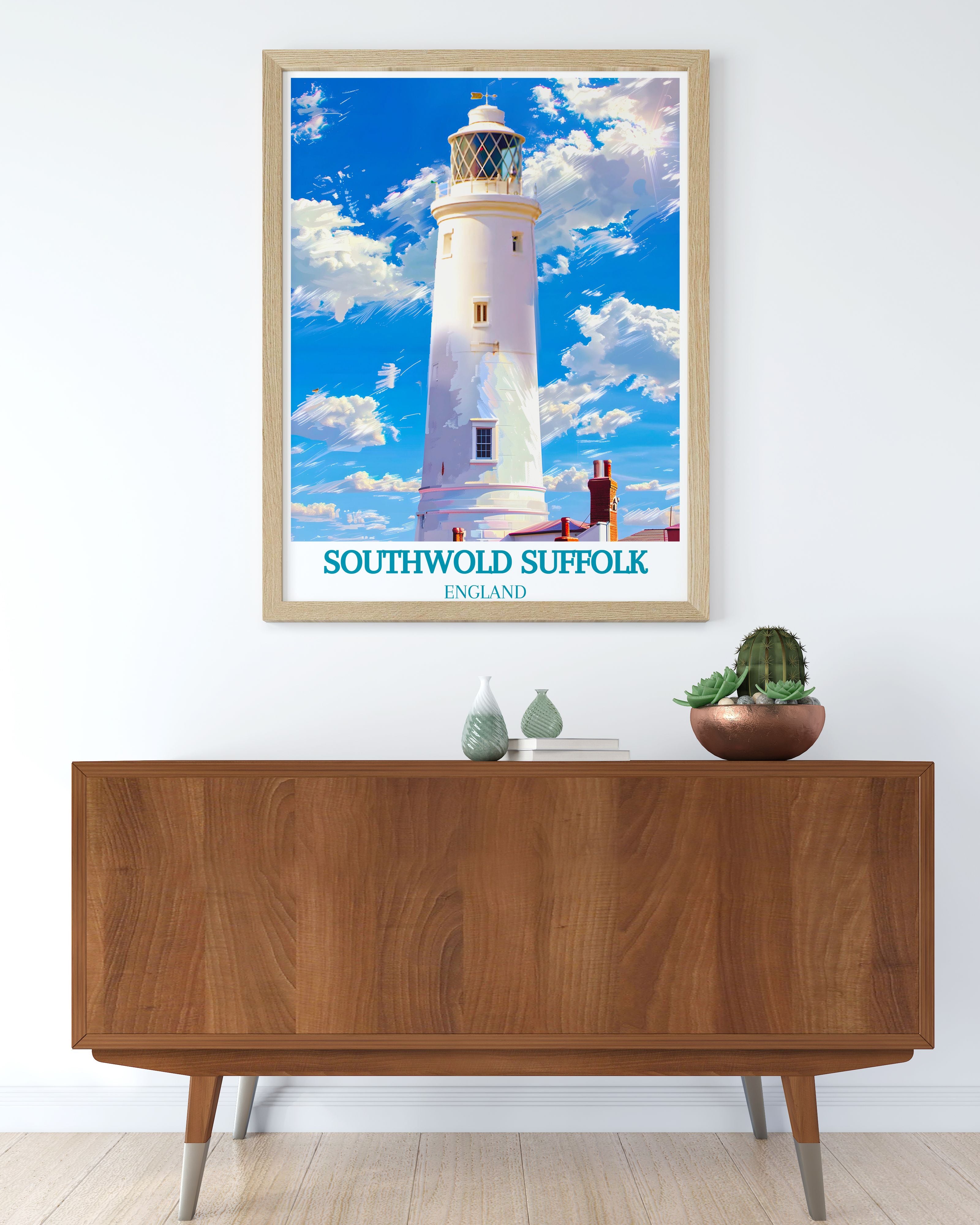
Southwold – Canvas harmonizes with modern minimalism
Lighthouse photography on canvas works particularly well in contemporary spaces because the subject's geometric purity complements clean-lined modern aesthetics. The natural beauty requires no decorative enhancement—the structure becomes statement itself.
Building Your Lighthouse Art Ecosystem? Explore our complementary guides:
- Lighthouse Prints for Sale: Choosing the Perfect Coastal Wall Art – Master selection strategy across all formats
- Lighthouse Framed Artwork: Professional Framing, Materials & Display Excellence – Deep dive into framing expertise and preservation
🎯 Key Takeaways
- Canvas material science: Cotton for heritage longevity, poly-cotton for practical durability, synthetic for budget-friendly resilience
- Stretching technique impact: Quality stretching creates borderless gallery appearance; stretcher bar thickness determines visual presence and stability
- Sizing psychology crucial: Proper proportions create visual completion; one-third wall coverage rule prevents undersizing or overwhelming
- Installation simplicity: Canvas exceeds other formats in ease—pre-installed hardware, simple mounting, DIY-friendly process
- Preservation strategy: Avoid direct sunlight, maintain humidity control, use archival inks, gentle dusting prevents deterioration
- Canvas dominates modern aesthetics: Minimalist presentation allows artwork to command attention without competitive framing structure
- Budget-friendly advantage: Canvas costs less than framed or metal alternatives while delivering superior modern aesthetic harmony
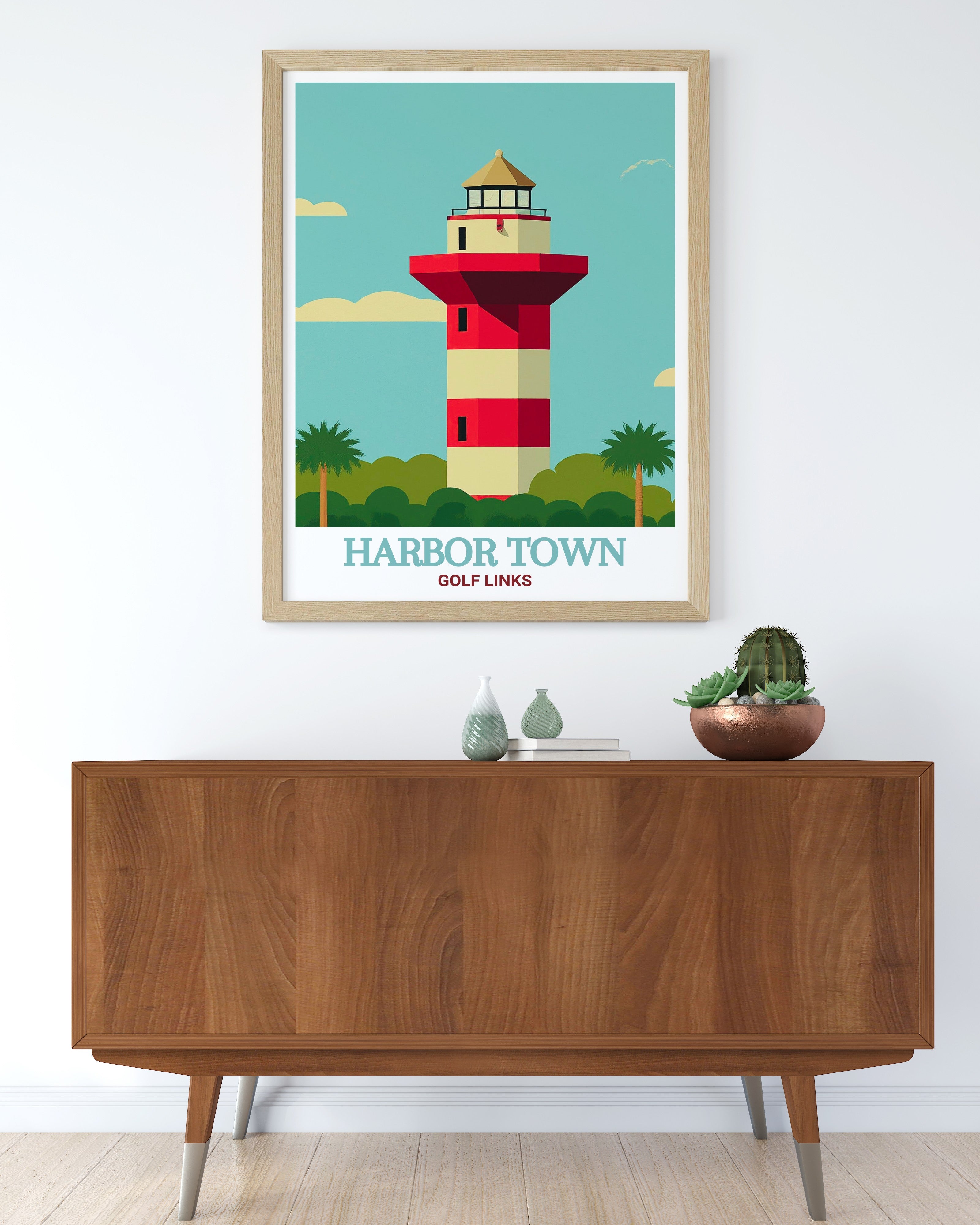
Harbour Town – Tropical canvas aesthetic
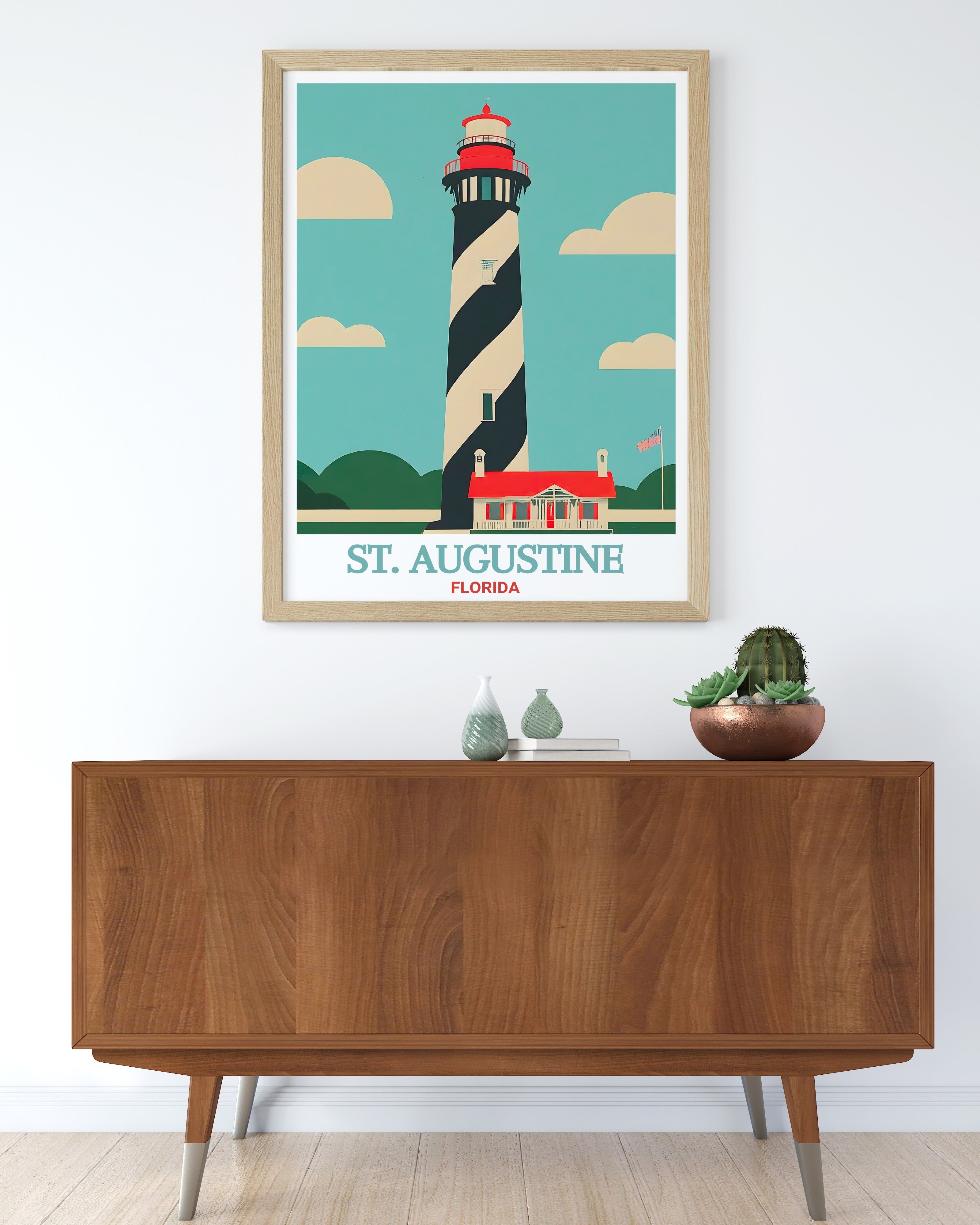
Augustine – Heritage meets modern canvas presentation
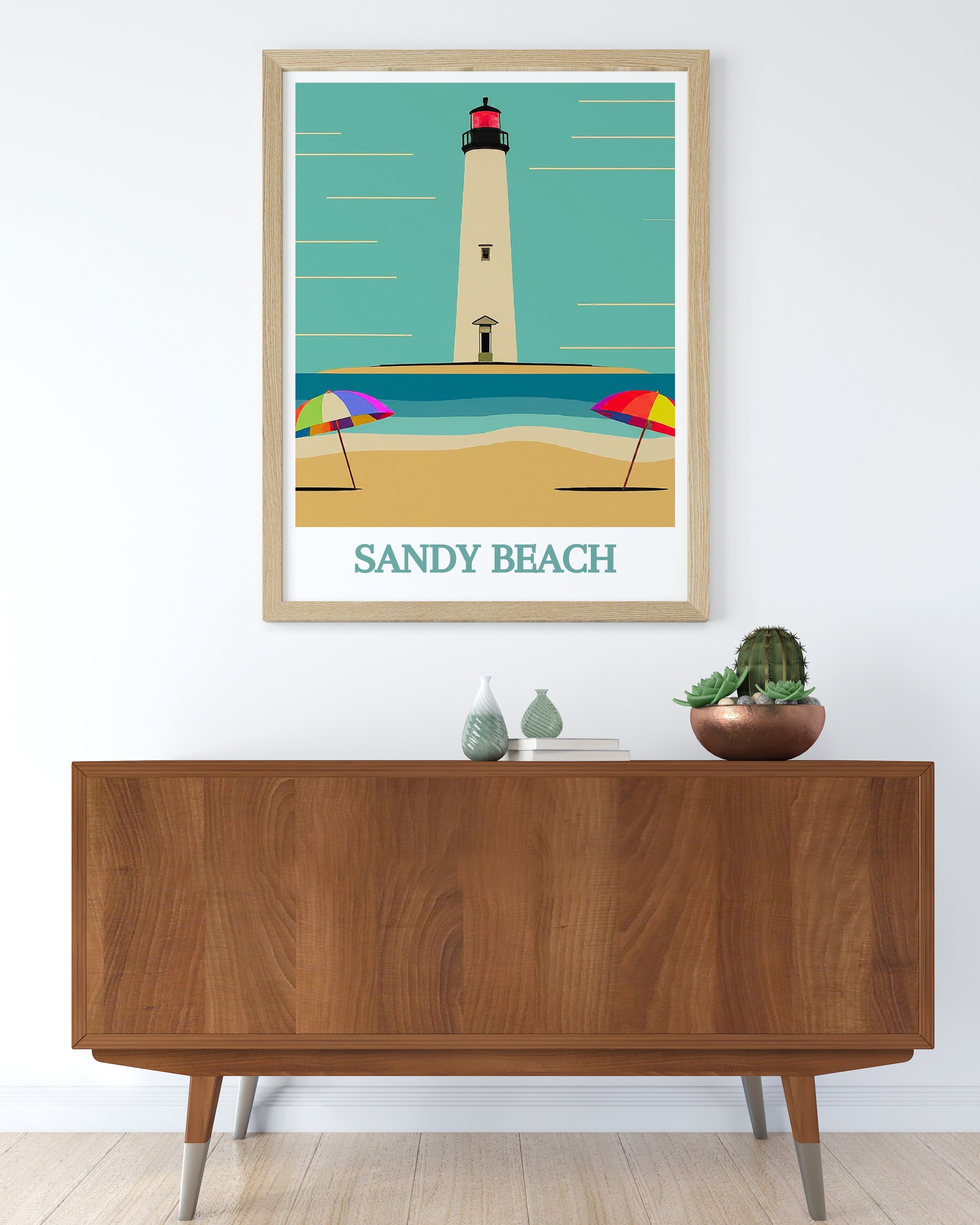
Sandy Beach – Serenity through canvas simplicity
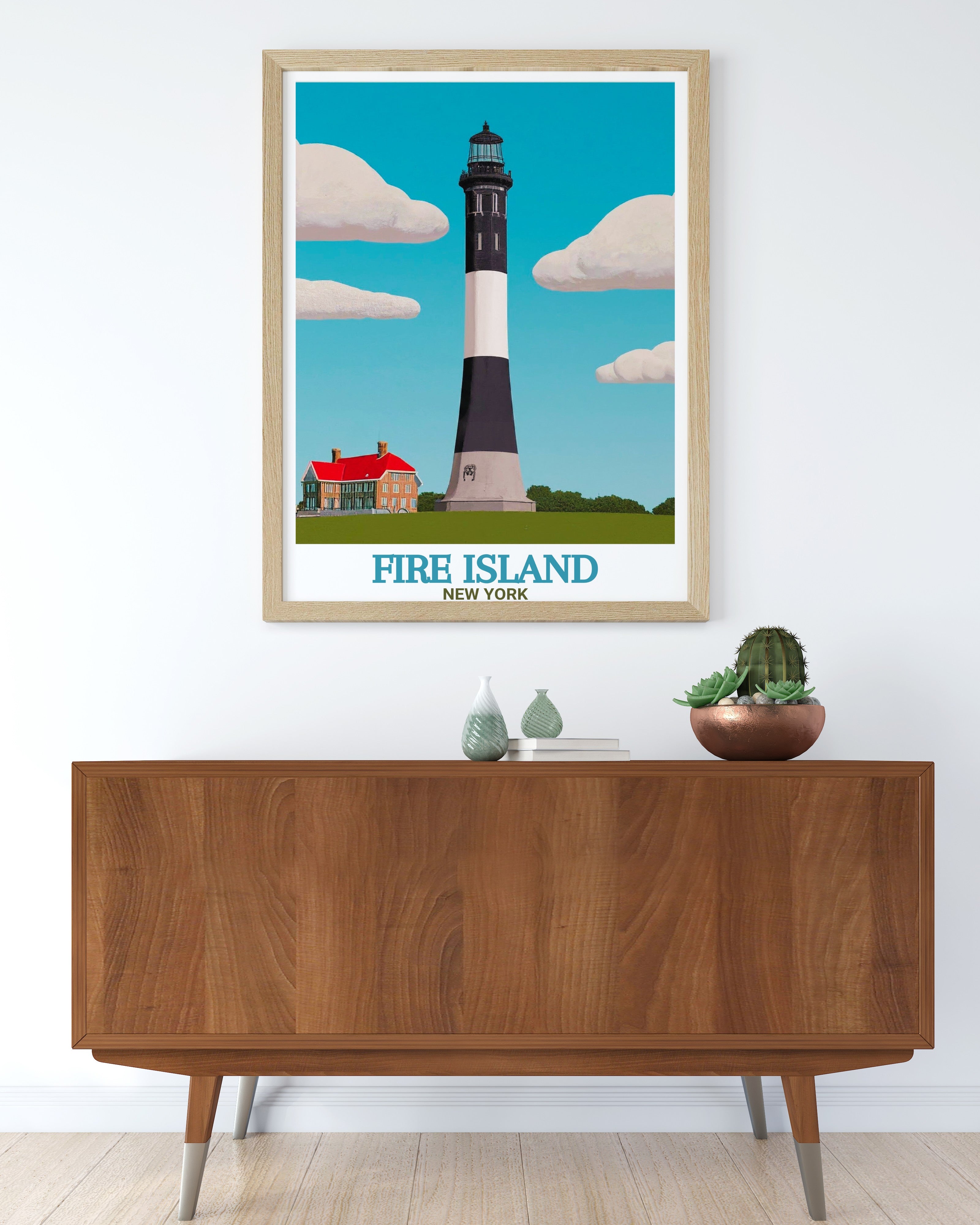
Fire Island – Geometric perfection on canvas
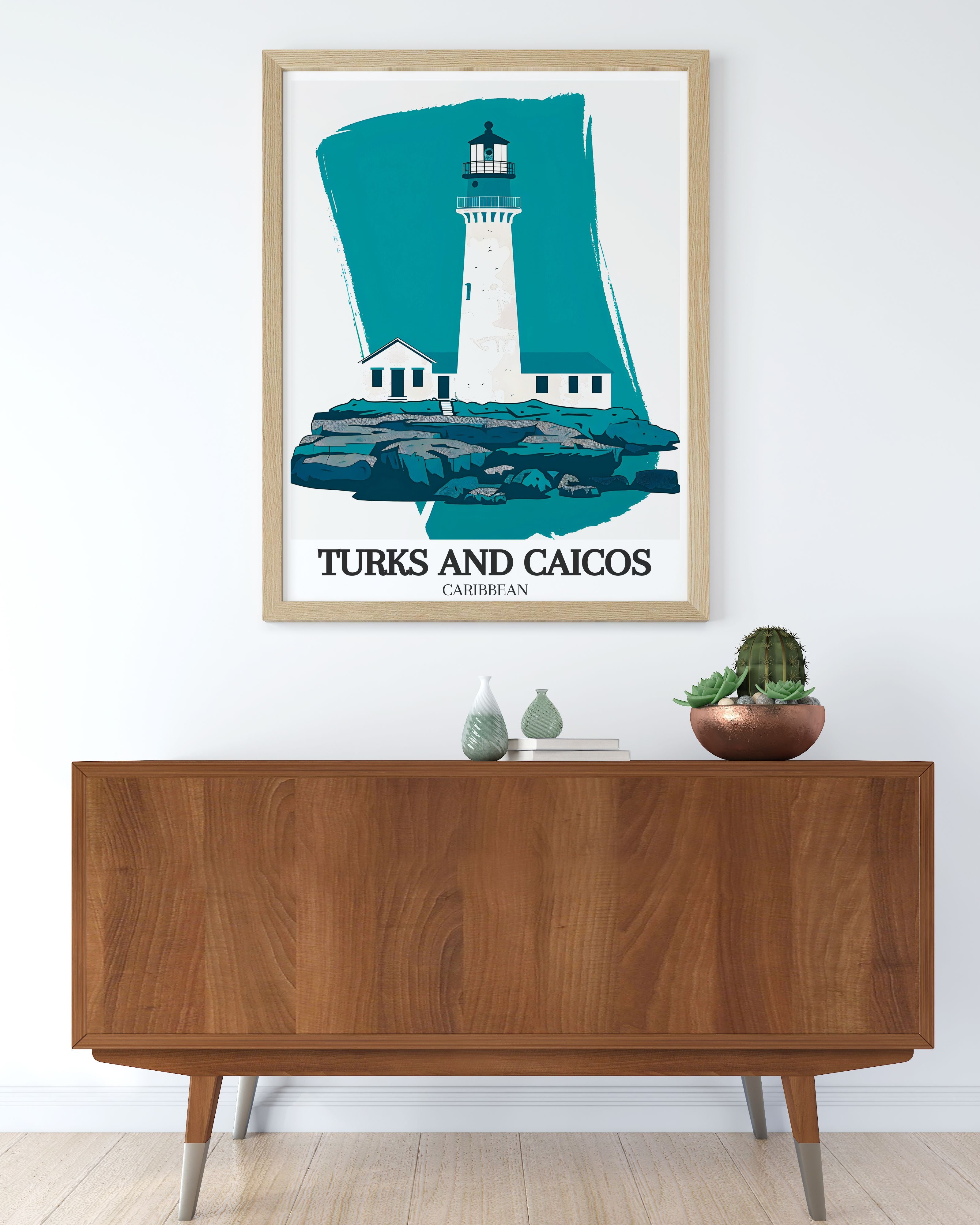
Grand Turk – Island authenticity through canvas
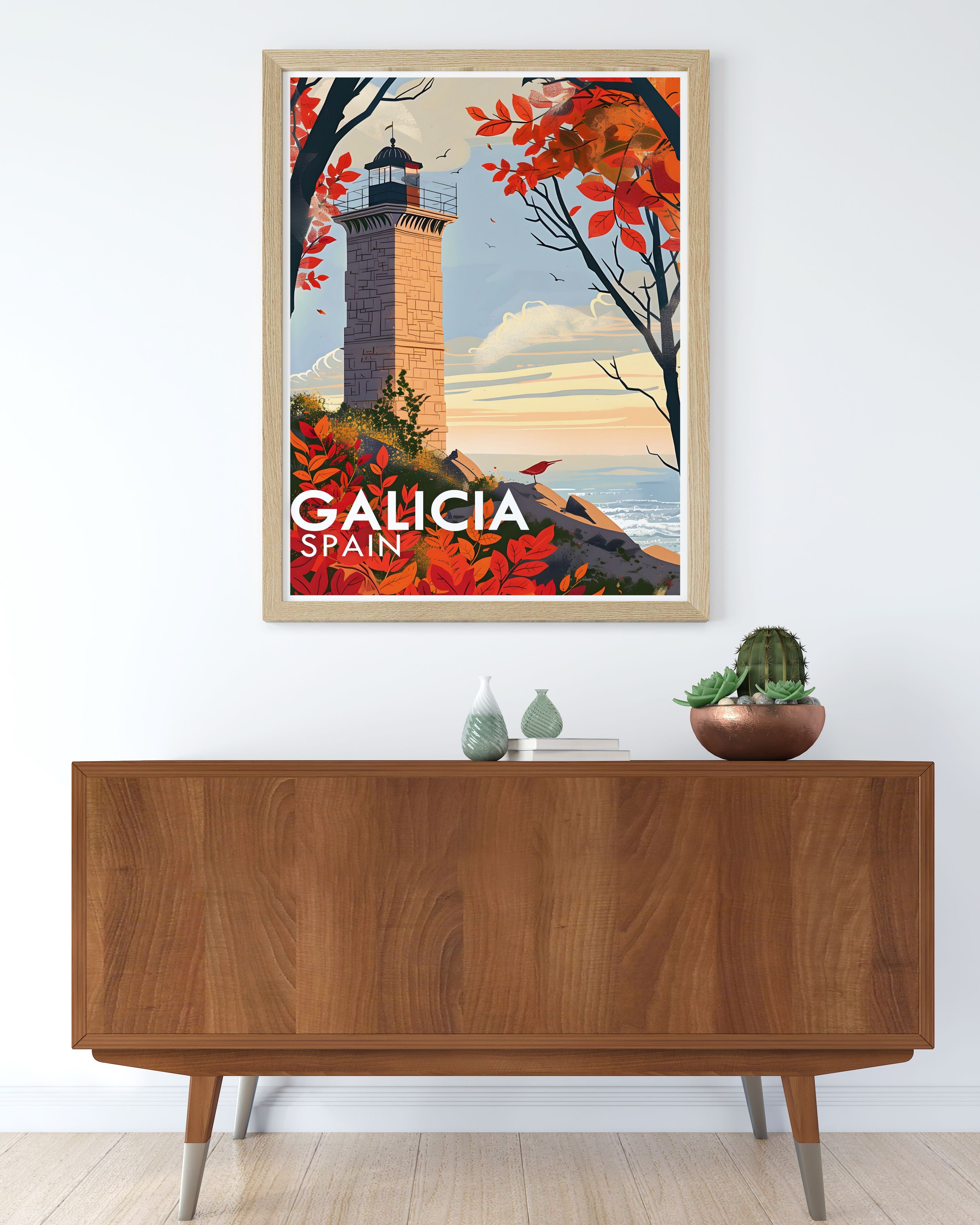
Tower Of Hercules – Historic mastery on modern canvas
Canvas Display Questions Answered
Your Canvas Selection Strategy
Lighthouse canvas wall art represents the convergence of artistic excellence, technical craftsmanship, and modern aesthetic philosophy. When you select a quality canvas, you're investing in more than decoration—you're acquiring a preservation artifact that will enhance your space for decades.
Canvas is the format of intentional design.
Begin by understanding your space: wall dimensions, existing color palette, interior style preference, and environmental factors (humidity, sunlight exposure). This foundation guides format, size, and material selection ensuring purchases harmonize rather than clash with surroundings.
Next, prioritize quality. Archival pigment-based inks, quality canvas materials, and professional stretching create pieces appreciating with age. The investment in excellence multiplies in satisfaction over 50+ years of display ensuring your lighthouse canvas becomes cherished rather than regretted.
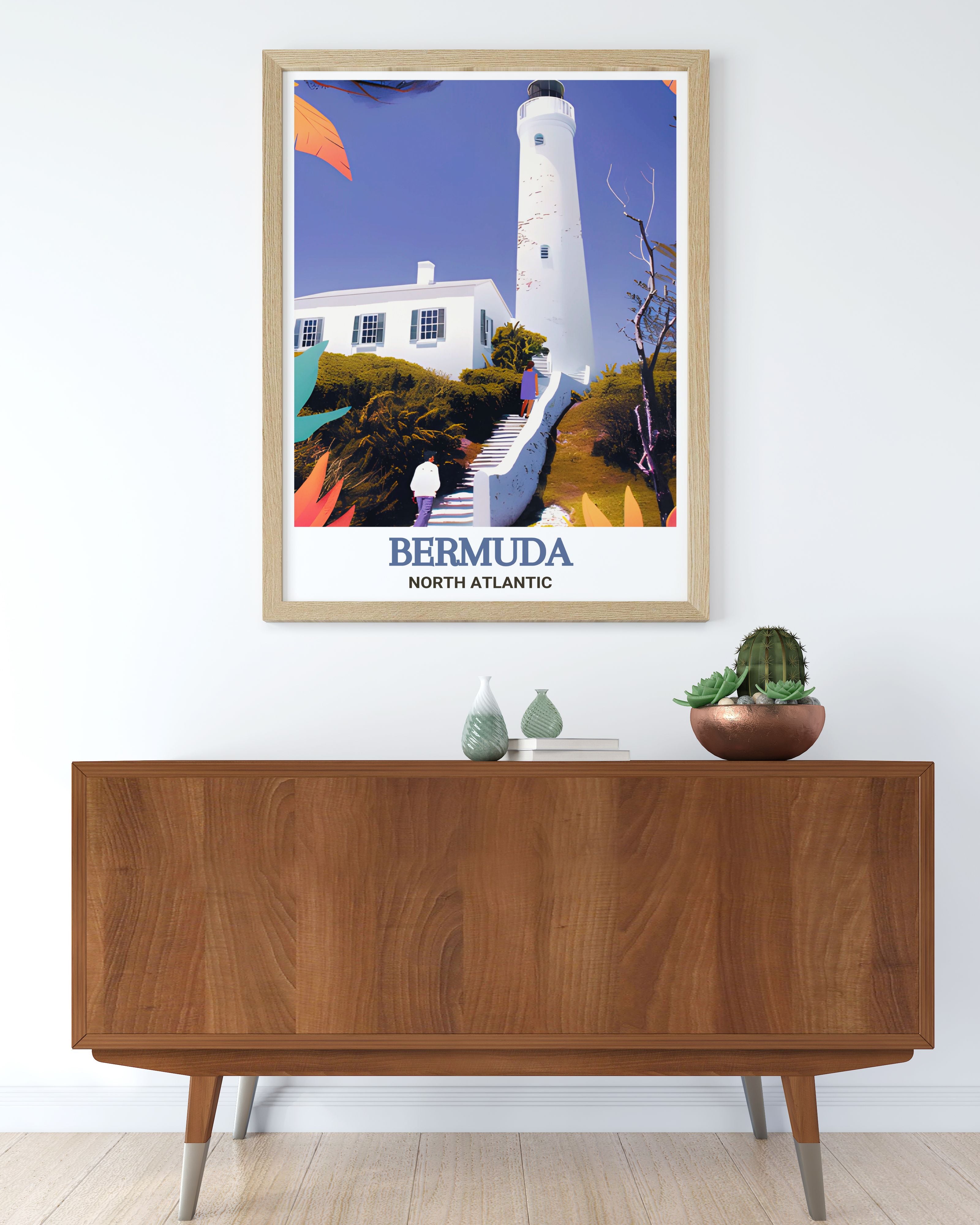
Gibbs Hill – Canvas elevates elegance
Finally, display thoughtfully. Proper placement at eye level (57 inches), indirect lighting, climate control, and regular gentle maintenance ensure your canvas ages beautifully transforming from decoration into beloved artwork. This care transforms canvas from product into legacy.
Ready to transform your space with canvas excellence? Explore our professional lighthouse canvas collection, each piece selected for gallery-quality presentation and compatibility with modern design principles. Our canvas experts understand how this format uniquely amplifies coastal beauty.


