
Lighthouse Framed Artwork: Professional Framing, Materials & Display Excellence
Lighthouse Framed Artwork: Professional Framing, Materials & Display Excellence
🖼️ Master the Art of Professional Lighthouse Frame Display
📑 Quick Navigation
- Why Professional Framing Transforms Lighthouse Art
- Frame Materials: Wood vs Metal vs Composite
- Matting Mastery: Colors, Styles & Techniques
- Frame Style Selection by Interior Design
- Coordinating Frame Colors with Décor
- Preservation Techniques for Longevity
- Ready-Made vs Custom Framing Analysis
- Professional Display & Placement Strategy
- Professional Framing Questions Answered
- Making Your Framing Selection
Why Professional Framing Transforms Lighthouse Art
Framing isn't merely mounting a print between glass and cardboard. Professional framing represents the marriage of preservation science, interior design strategy, and artistic presentation crafting the difference between casual wall decoration and investment-quality statement pieces.
Frames speak louder than prints.
A beautifully framed lighthouse artwork becomes architectural element, interior design investment, and preservation achievement simultaneously. The right frame elevates lighthouse imagery from generic maritime décor into curated gallery-quality focal point. Beyond aesthetics, professional framing protects your investment ensuring decades of visual enjoyment while preventing deterioration.
Understanding frame materials, mat options, color psychology, and preservation techniques transforms you from casual art buyer into intentional curator. This expertise enables selections that enhance both the artwork and your entire room's aesthetic impact.
Frame Materials: Wood vs Metal vs Composite
Wood Frames: Warmth, Tradition & Timelessness
Wood represents the classic framing choice, carrying centuries of artistic tradition. Oak, maple, walnut, and cherry each bring distinct character—lighter woods feel contemporary while darker tones convey formality and heritage.
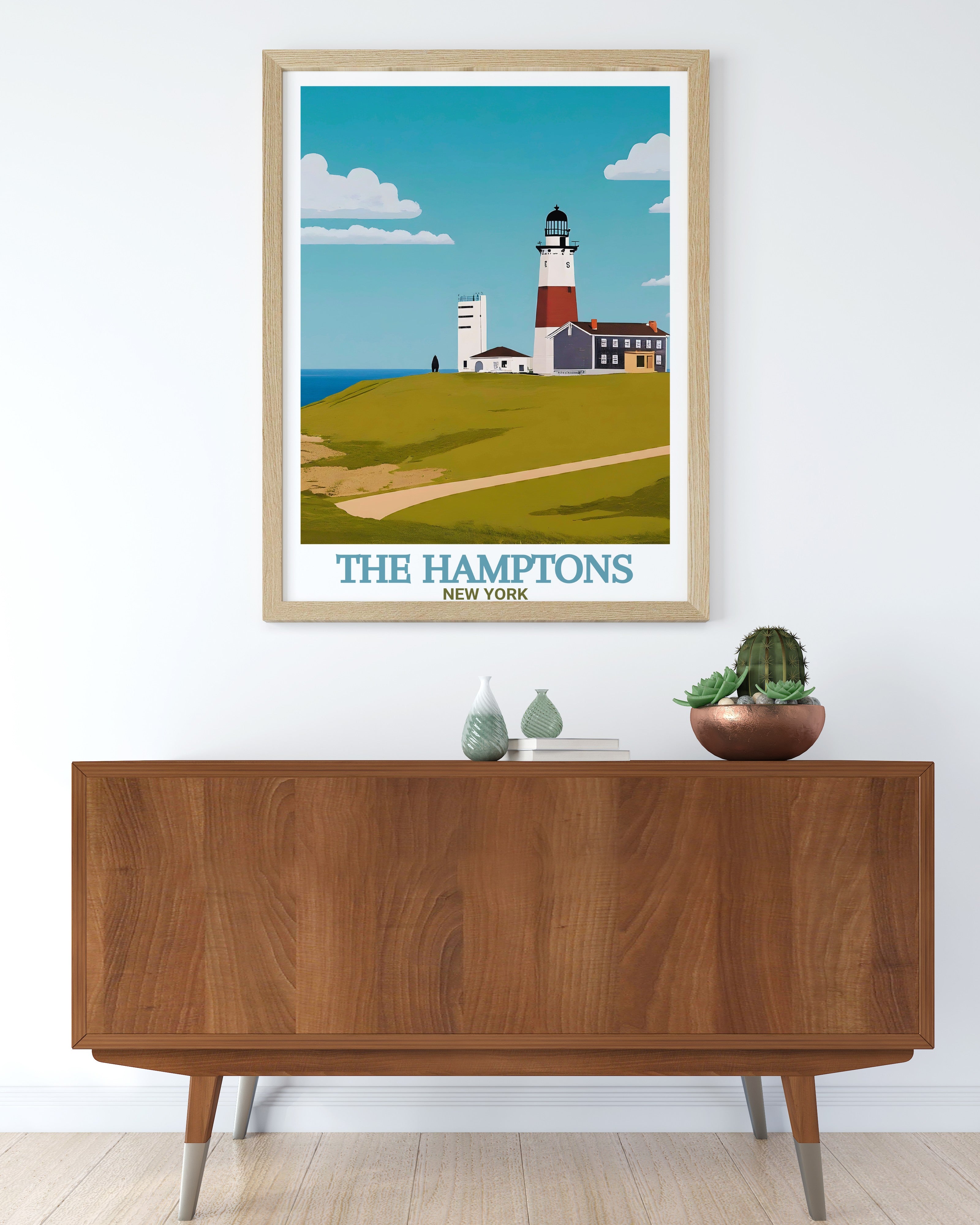
Montauk Point – Natural wood frames enhance architectural character
Wood frames age beautifully.
Quality wood frames from sustainably harvested materials ensure longevity spanning generations. Solid wood construction resists warping that cheap pressed-wood frames experience. Investment in genuine wood framing pays dividends through decades of stable presentation and visual integrity.
Metal Frames: Modern, Sleek & Contemporary
Aluminum and stainless steel frames bring contemporary sophistication perfect for modern minimalist interiors. Chrome finishes provide institutional gallery aesthetics while brushed metal offers understated elegance.
Metal frames resist warping absolutely, making them ideal for humid bathroom environments or areas experiencing temperature fluctuations. The clean geometric lines suit architectural lighthouse subjects perfectly, emphasizing composition without visual competition.
Composite Frames: Durability Meets Affordability
High-quality composite materials combine stability with accessibility. These engineered frames avoid wood's moisture sensitivity while offering variety metal cannot match. Premium composites resist damage that budget wood frames succumb to within years.
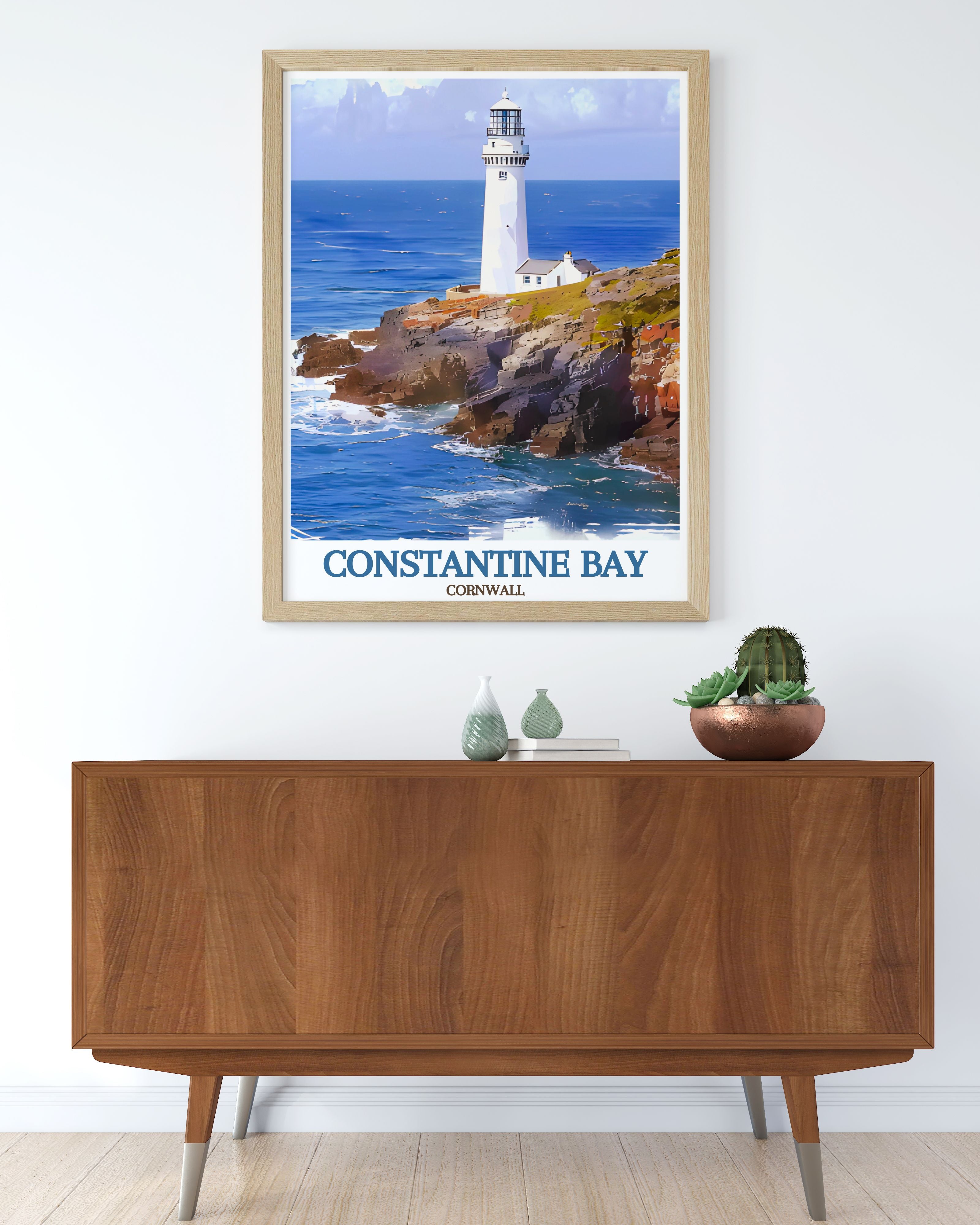
Trevose Head – Quality framing materials ensure preservation
Matting Mastery: Colors, Styles & Techniques
Single matting: Classic presentation using one mat layer. Neutral whites, creams, and beiges create timeless sophistication. Dark mats (black, charcoal, navy) add dramatic contrast for bold artistic statements.
Double matting: Two mat layers (typically different colors) create visual depth and professional gallery appearance. Accent colors peek through the primary mat, guiding viewer's eye while adding dimensional intrigue.
Colored matting psychology: Warm mats (golds, creams, soft oranges) complement sunset lighthouse photography. Cool mats (soft blues, grays) enhance serene coastal compositions. The mat color should echo either the artwork's dominant hue or your room's accent colors—never clash.
Matting elevates entire presentation.
Acid-free matting: Professional framing always uses acid-free archival materials preventing yellowing and deterioration. Budget framing ignores this critical preservation detail—your lighthouse print fades within years of cheap acid-containing mats contacting it.
Frame Style Selection by Interior Design
| Interior Style | Ideal Frame Type | Mat Color | Frame Finish |
|---|---|---|---|
| Coastal/Nautical | Natural wood or whitewashed | Cream or soft blue | Matte or weathered |
| Modern Minimalist | Slim metal or black wood | White or charcoal | Sleek, industrial |
| Traditional/Classic | Ornate wood or gilded | Cream, gold, deep jewel tones | Polished, elegant |
| Farmhouse/Rustic | Reclaimed wood or distressed | Natural linen, soft white | Hand-finished, aged |
| Contemporary | Metal or minimalist wood | White, black, or accent color | Clean lines, modern finish |
Coordinating Frame Colors with Décor
Frame colors should orchestrate rather than dominate. The ideal frame recedes visually, allowing the lighthouse artwork to claim attention while providing supporting structure enhancing rather than competing.
Match frames to existing room elements: your sofa's wood trim, hardware finishes, or architectural details. This coordination creates visual continuity making framed lighthouse art feel intentional design element rather than afterthought decoration.
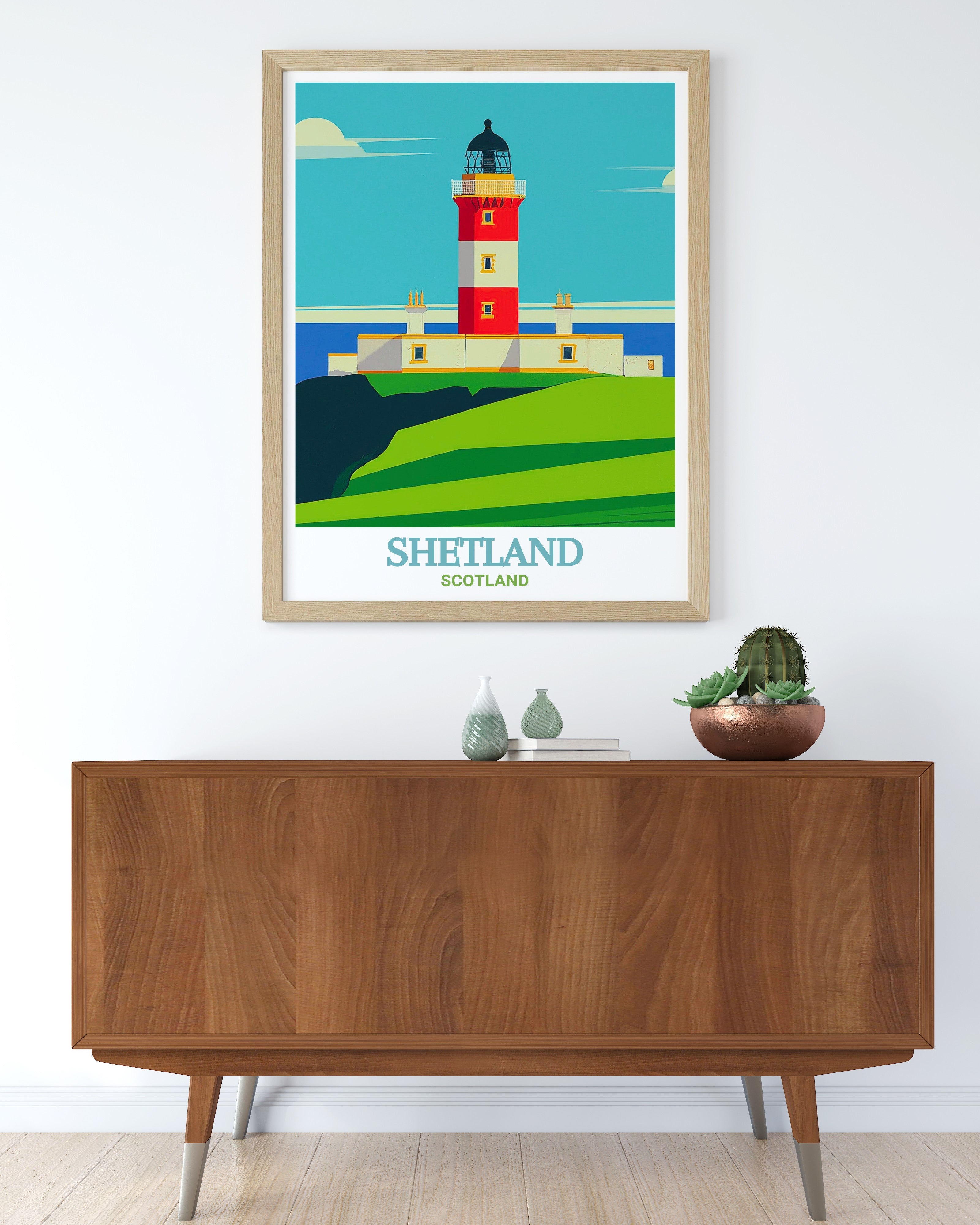
Sumburgh Head – Frame colors amplify artistic mood
Preservation Techniques for Longevity
UV-protective glass: Museum-quality framing always includes UV-blocking glass preventing fading. Standard glass allows light wavelengths that deteriorate prints within 5-10 years of sun exposure. UV glass costs slightly more but extends print life 40-50+ years—essential investment for treasured pieces.
Acid-free materials throughout: From mat to backing board to adhesives, archival-quality materials prevent acid migration deteriorating artwork. Budget framers cut costs using acid-containing materials that yellow and degrade prints regardless of exterior protection.
Preservation is invisible insurance.
Humidity regulation: Moisture causes paper deterioration, mat staining, and frame warping. Professional framing creates microenvironments where prints remain stable through humidity fluctuations. This protection matters especially for bathrooms and coastal homes experiencing moisture exposure.
Ready-Made vs Custom Framing Analysis
Ready-made framed artwork: Pre-assembled pieces offer convenience and affordability (€80-250). These work well for casual displays and rental situations where commitment feels premature. However, mat colors/styles lack customization and archival standards vary widely.
Custom professional framing: Working with experts costs more (€200-600+) but delivers bespoke solutions. Custom framers source precisely-matched materials, apply conservation standards, and solve unusual sizing challenges. For lighthouse artwork you treasure, custom framing provides investment-grade protection and aesthetics.
The middle path: semi-custom options from reputable retailers allowing frame/mat selection without full custom pricing. This balance serves most collectors well—customization without premium costs.
Professional Display & Placement Strategy
Proper framed art display requires intentional placement. Center framed lighthouse artwork at 57 inches from floor—eye level for standing viewers, commanding sight-line for seated observers. This placement psychology ensures natural engagement without conscious thought.
Lighting dramatically impacts framed art presentation. Indirect natural light works best; direct sunlight fades even UV-protected prints. If displaying near windows, position pieces where morning or late afternoon light illuminates without direct beam exposure.
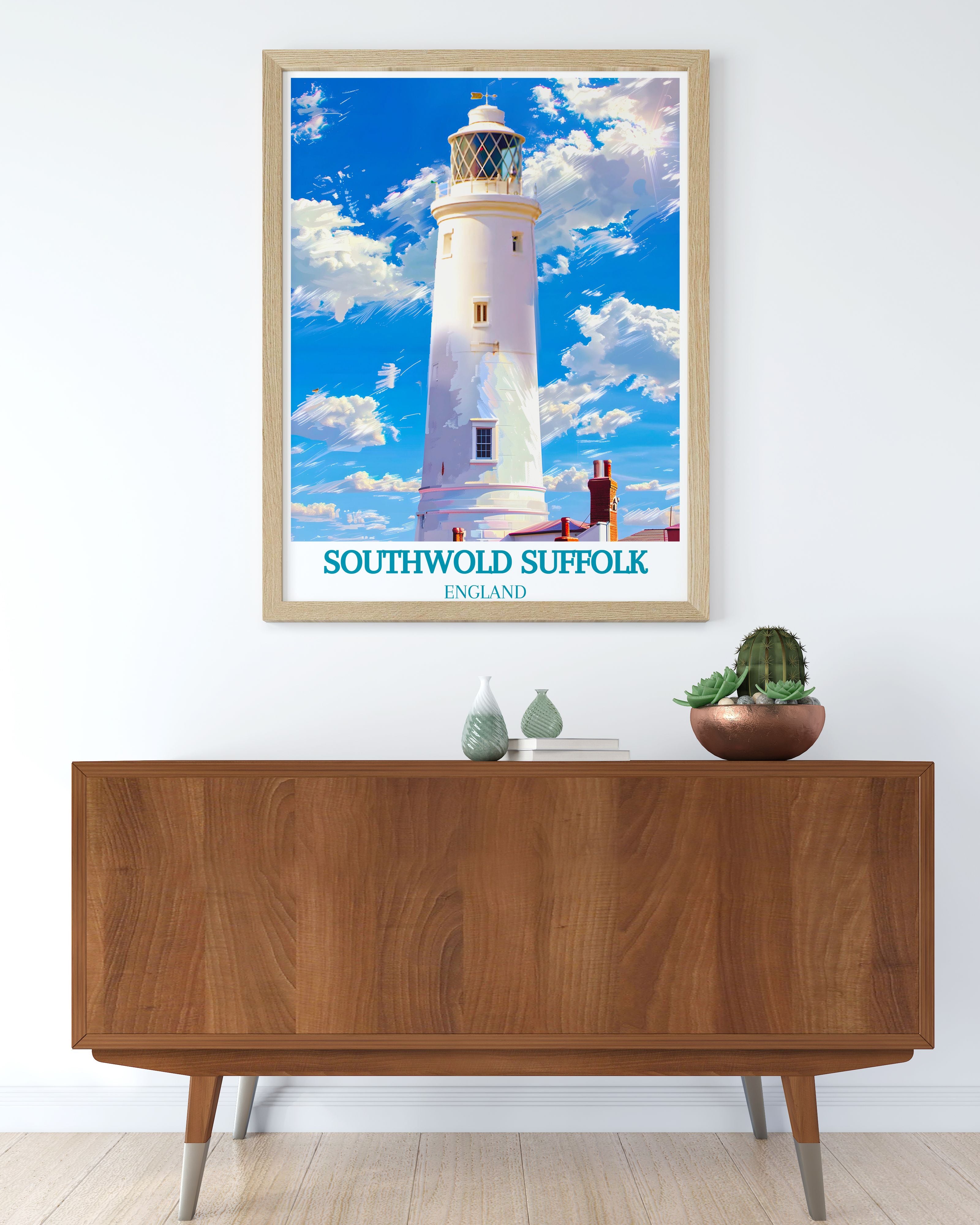
Southwold – Professional display transforms entire room
Multiple framed lighthouse pieces work beautifully together when unified through consistent frame family and mat color. Avoid haphazard mixing that creates visual chaos—curate thoughtfully instead.
🎯 Key Takeaways
- Materials matter: Quality wood, metal, or premium composites ensure stability and longevity—avoid budget options failing within years
- Matting elevates: Acid-free archival mats protect prints while colored options add visual sophistication and guide viewer engagement
- Style coordination critical: Frame styles should match interior design aesthetics—coastal frames enhance coastal art, modern frames suit contemporary lighthouses
- Color psychology works: Frame colors should complement artwork and room décor, receding to support rather than compete
- UV protection essential: Archival standards including UV glass prevent fading extending print life 40-50 years versus 5-10 years with standard glass
- Professional framing justified: Custom framing costs more but delivers archival preservation and aesthetic excellence worth the investment
- Placement amplifies impact: Proper height (57 inches), lighting strategy, and display arrangements transform framed art from decoration to focal point
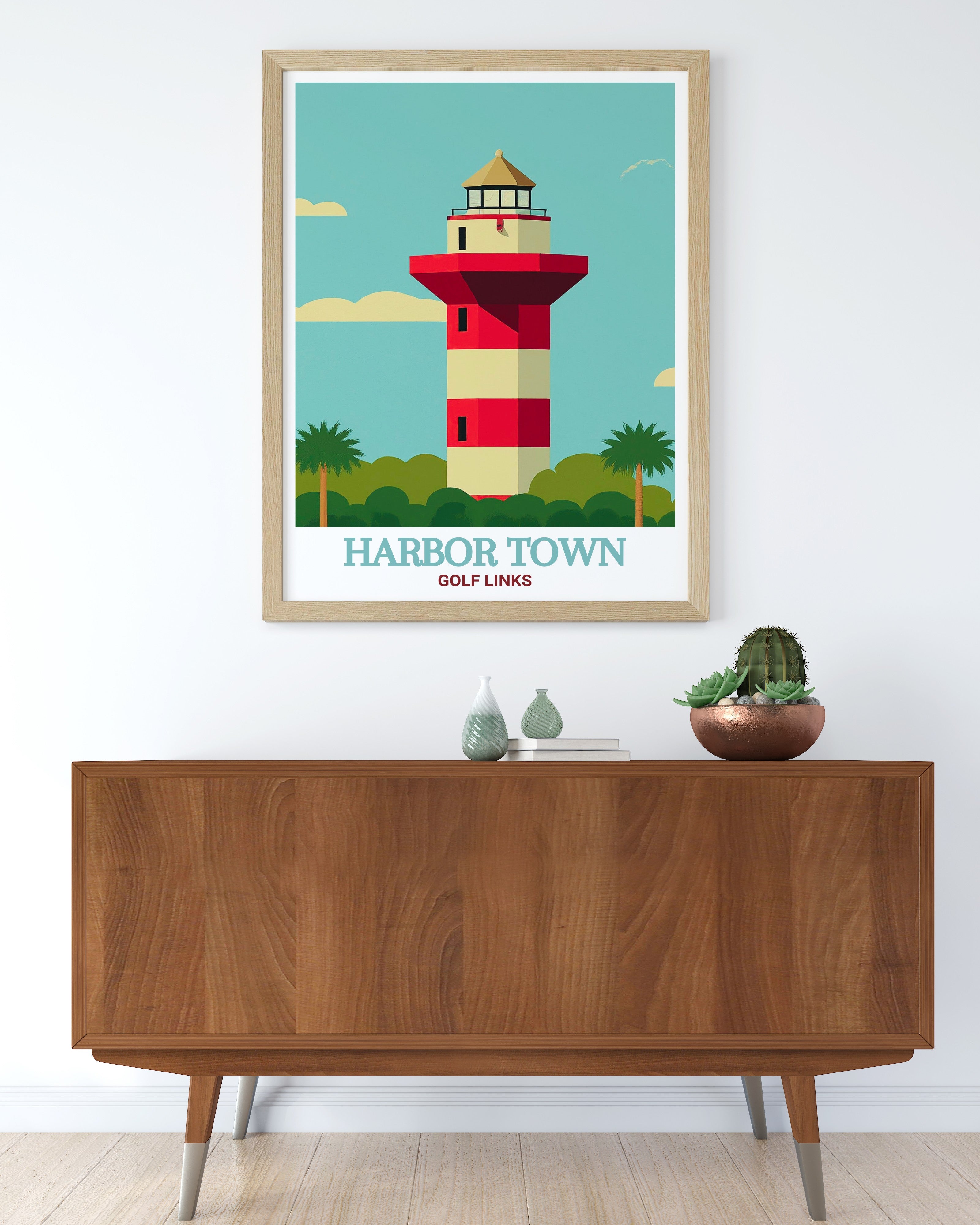
Harbour Town – Tropical elegance enhanced by fine framing
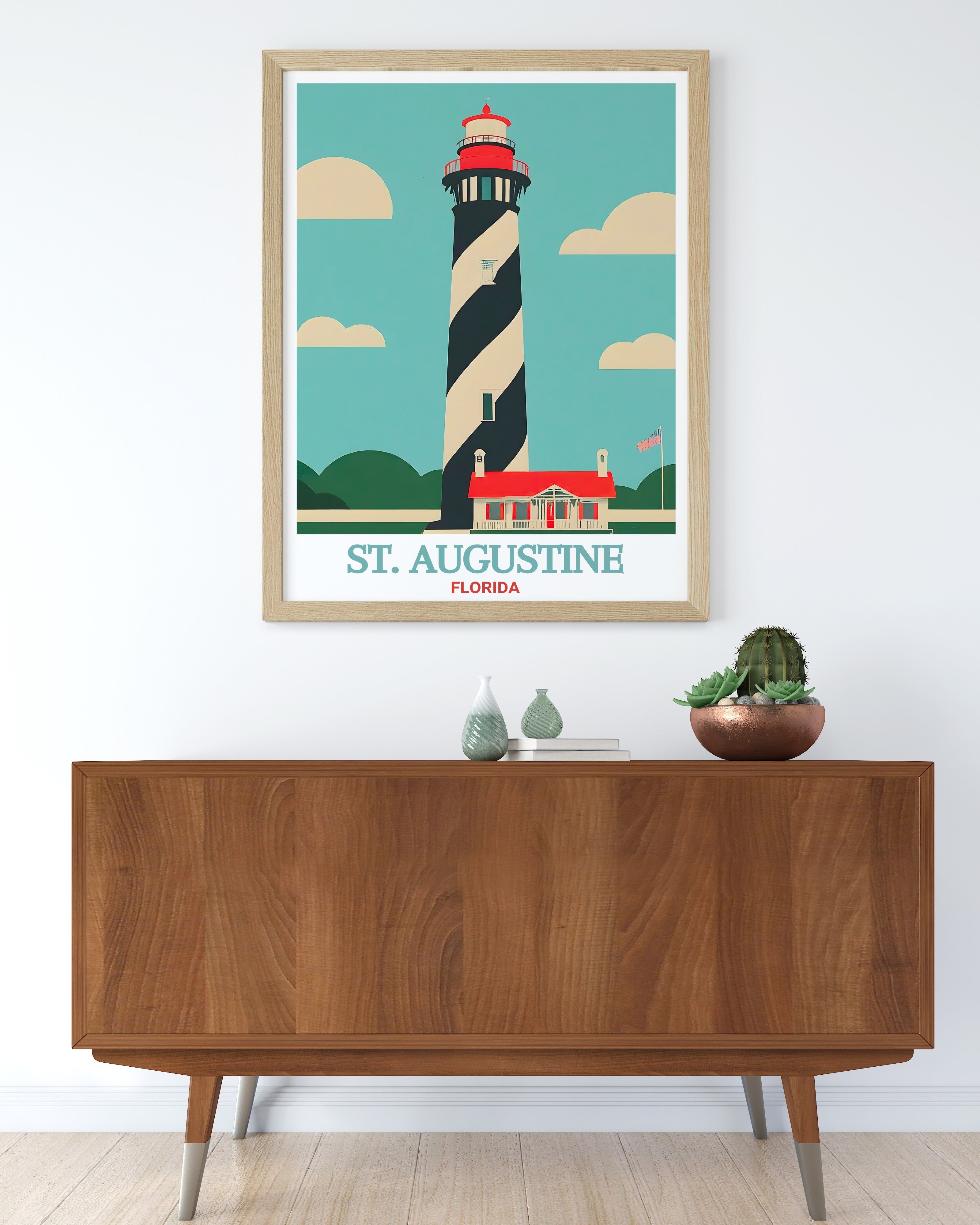
Augustine – Historic character preserved through professional framing
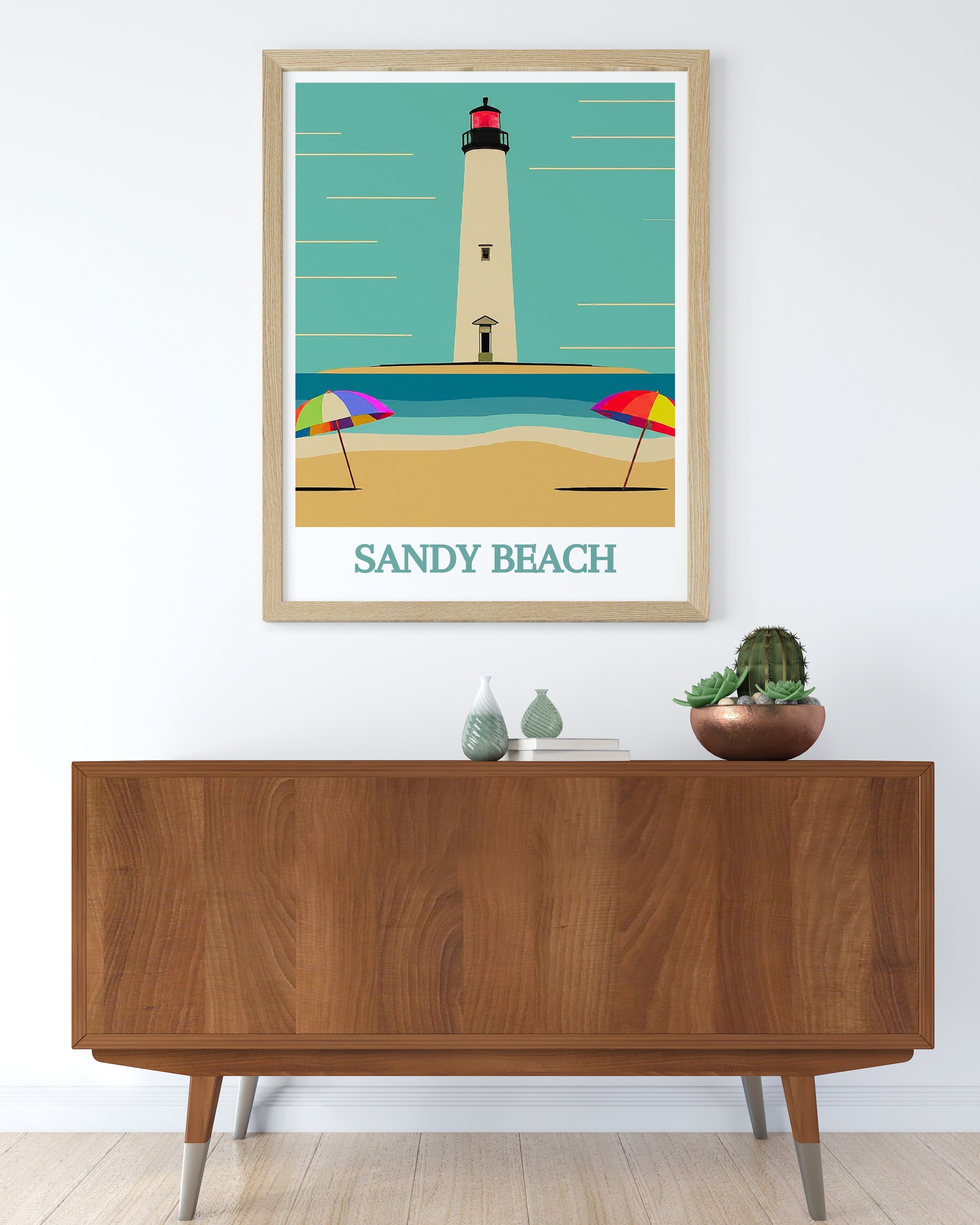
Sandy Beach – Serenity amplified through archival framing
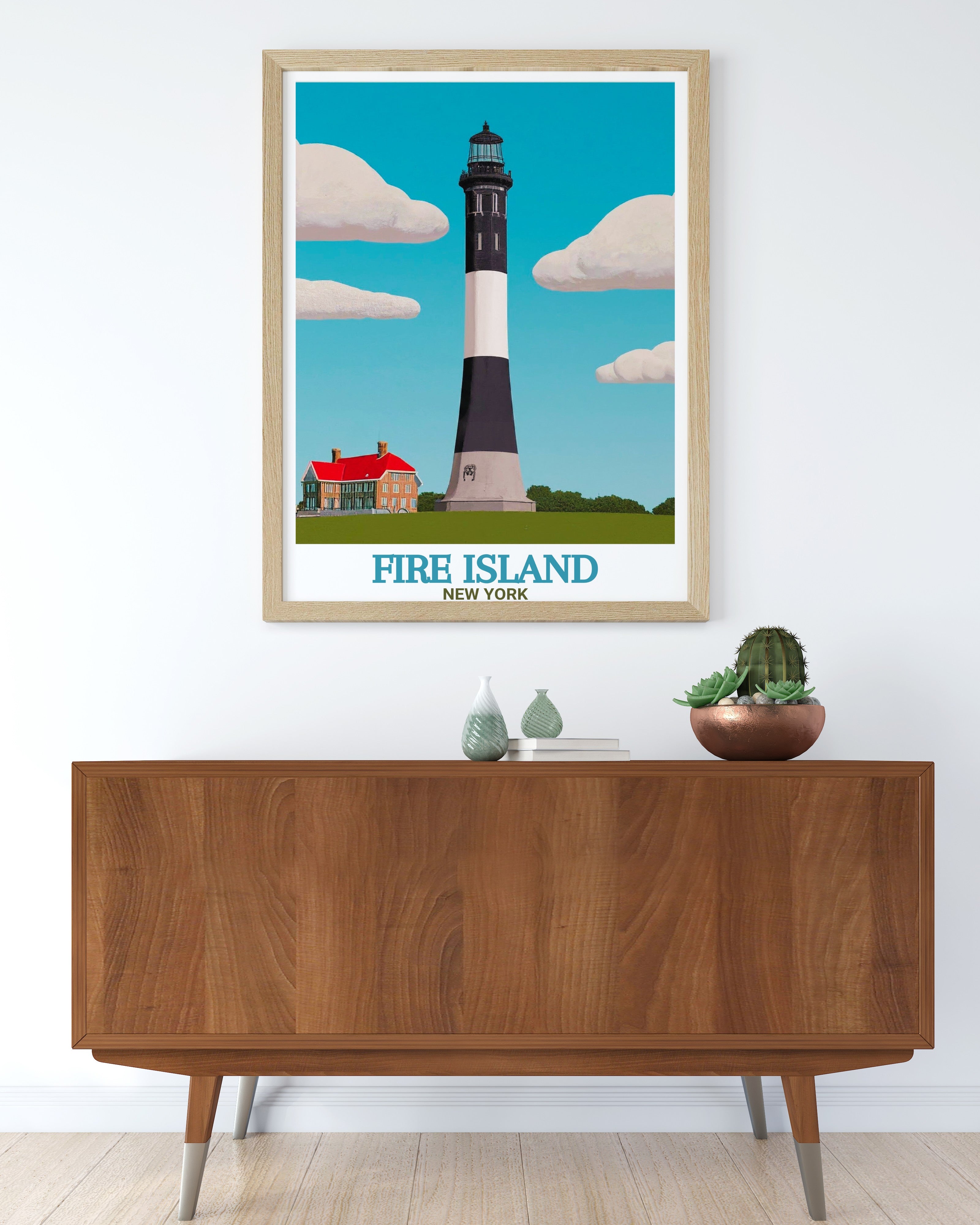
Fire Island – Modern frames suit geometric excellence
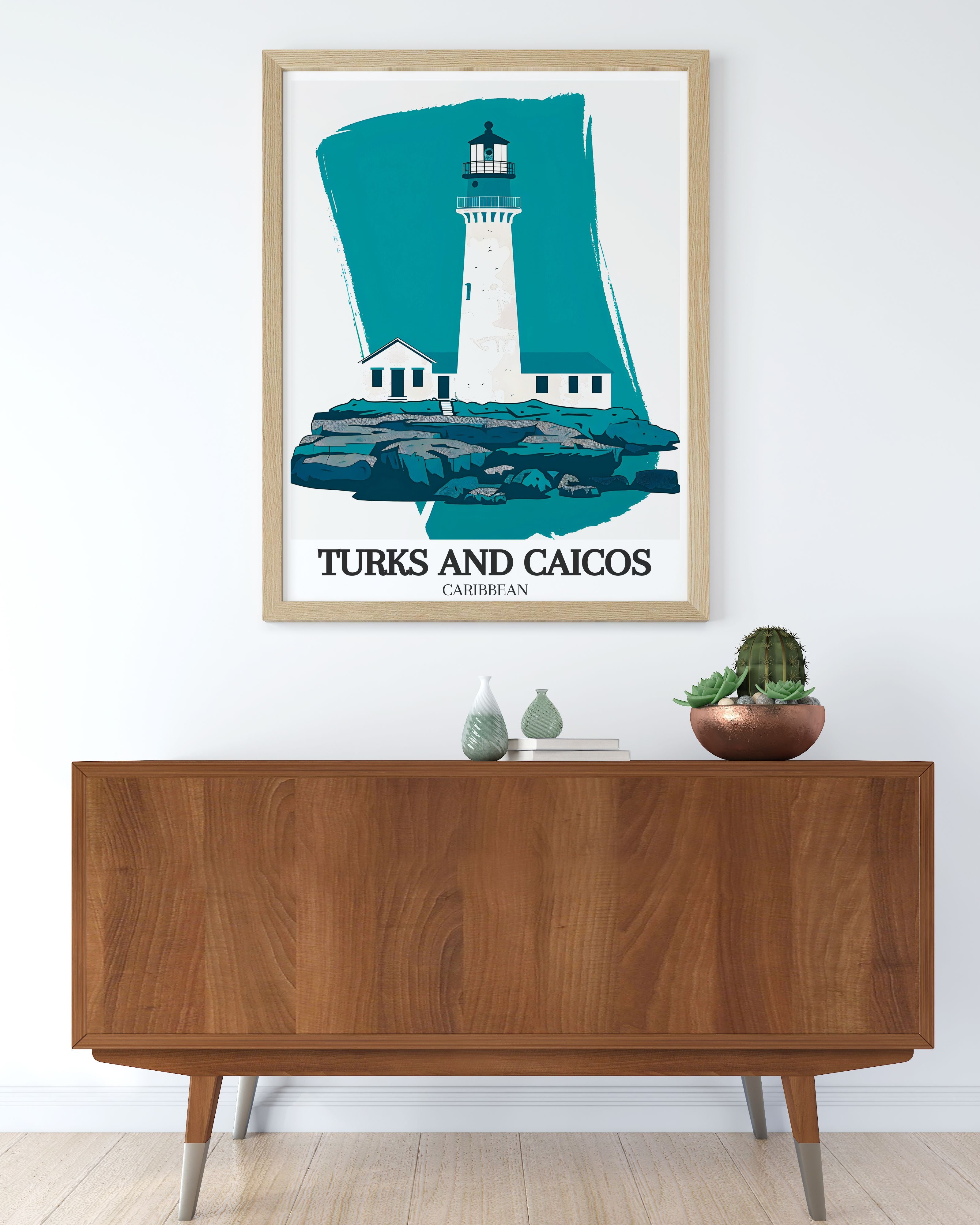
Grand Turk – Tropical frames enhance island authenticity
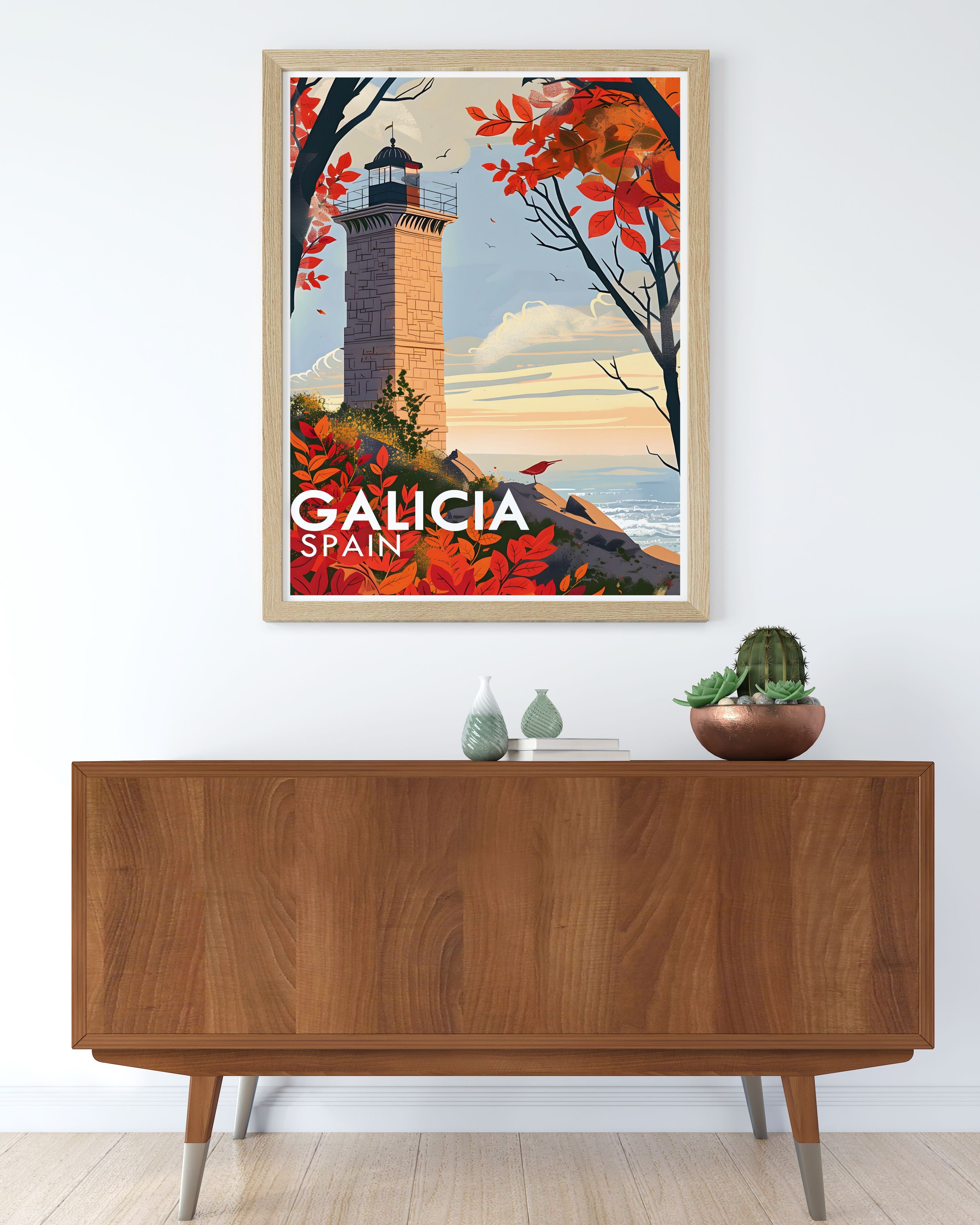
Tower Of Hercules – Historic frames honor ancient lineage
Choosing which lighthouse artwork to frame? Read our detailed article on Lighthouse Prints for Sale: Choosing the Perfect Coastal Wall Art for Your Home to explore specific lighthouses, subjects, and selection strategies before committing to framing investments.
Professional Framing Questions Answered
Making Your Framing Selection
Professional lighthouse framed artwork represents design decisions compounding over years. The right frame elevates a print into gallery-quality focal point while simultaneously protecting your investment through archival preservation techniques.
Framing is invisible architecture.
Begin with your interior style. Does your space embrace coastal warmth, modern minimalism, traditional elegance, or eclectic creativity? Your frame should orchestrate these design intentions, providing supporting structure that enhances rather than competes with the lighthouse imagery.
Next, commit to archival standards. UV-protective glass, acid-free mats, and quality materials cost slightly more initially but prevent costly restoration decades later. This preservation investment ensures your lighthouse print survives as intended for 40-50+ years.
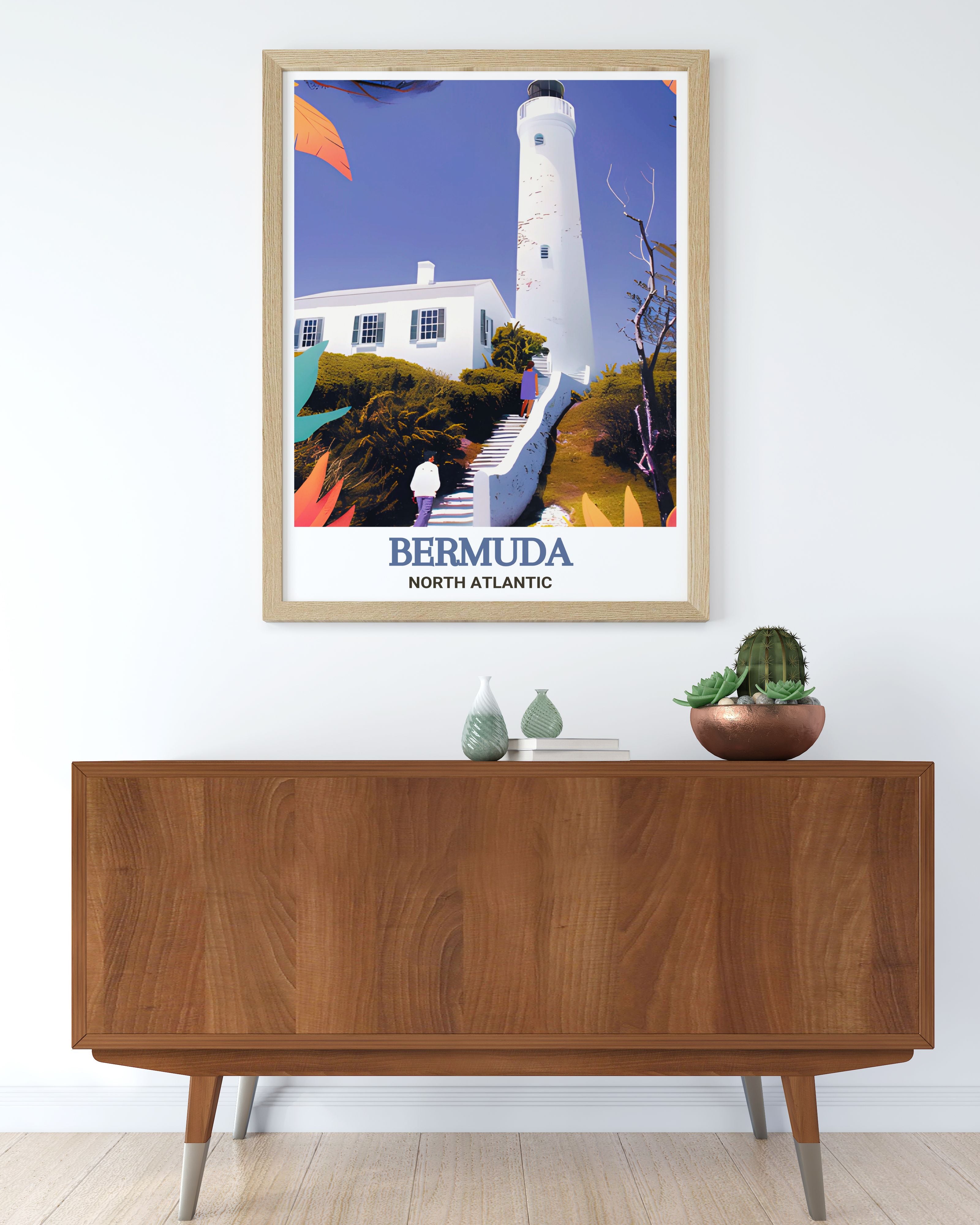
Gibbs Hill – Professional framing honors elegant subject matter
Finally, work with professional framers who understand archival standards, possess material expertise, and can guide selections toward harmony with your space. The modest investment in professional consultation prevents costly mistakes and ensures satisfaction spanning decades.
Ready to frame your perfect lighthouse artwork? Explore our professionally framed lighthouse collection, each piece selected for architectural beauty and compatibility with various interior design styles. Our experts understand framing as preservation art.


