
Creating a Belgian-Themed Home: Interior Design Strategy, Materials & Room Design
Creating a Belgian-Themed Home: Interior Design Strategy, Materials & Room Design
🏠 Design European Elegance: Minimal Luxury & Authentic Sophistication
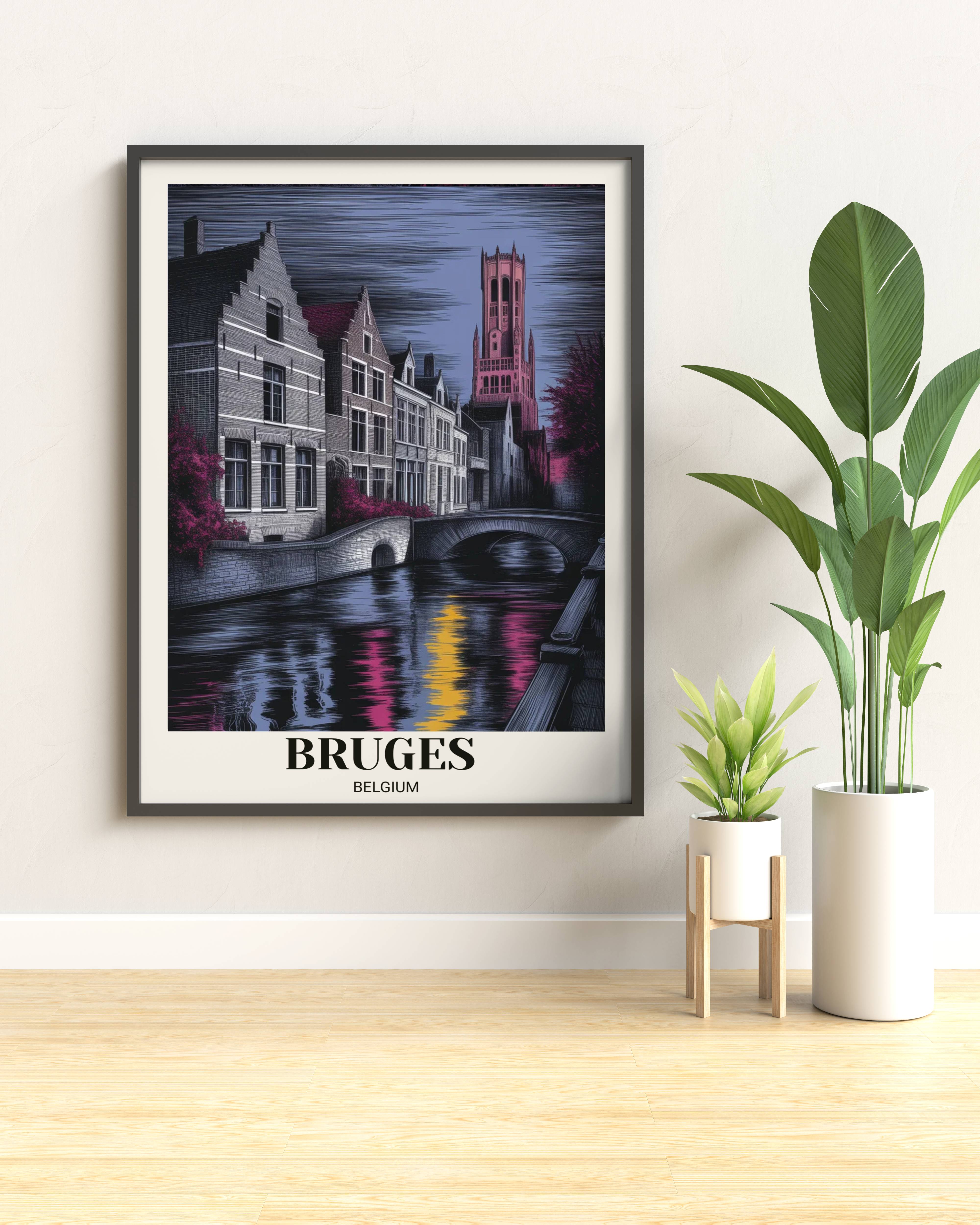
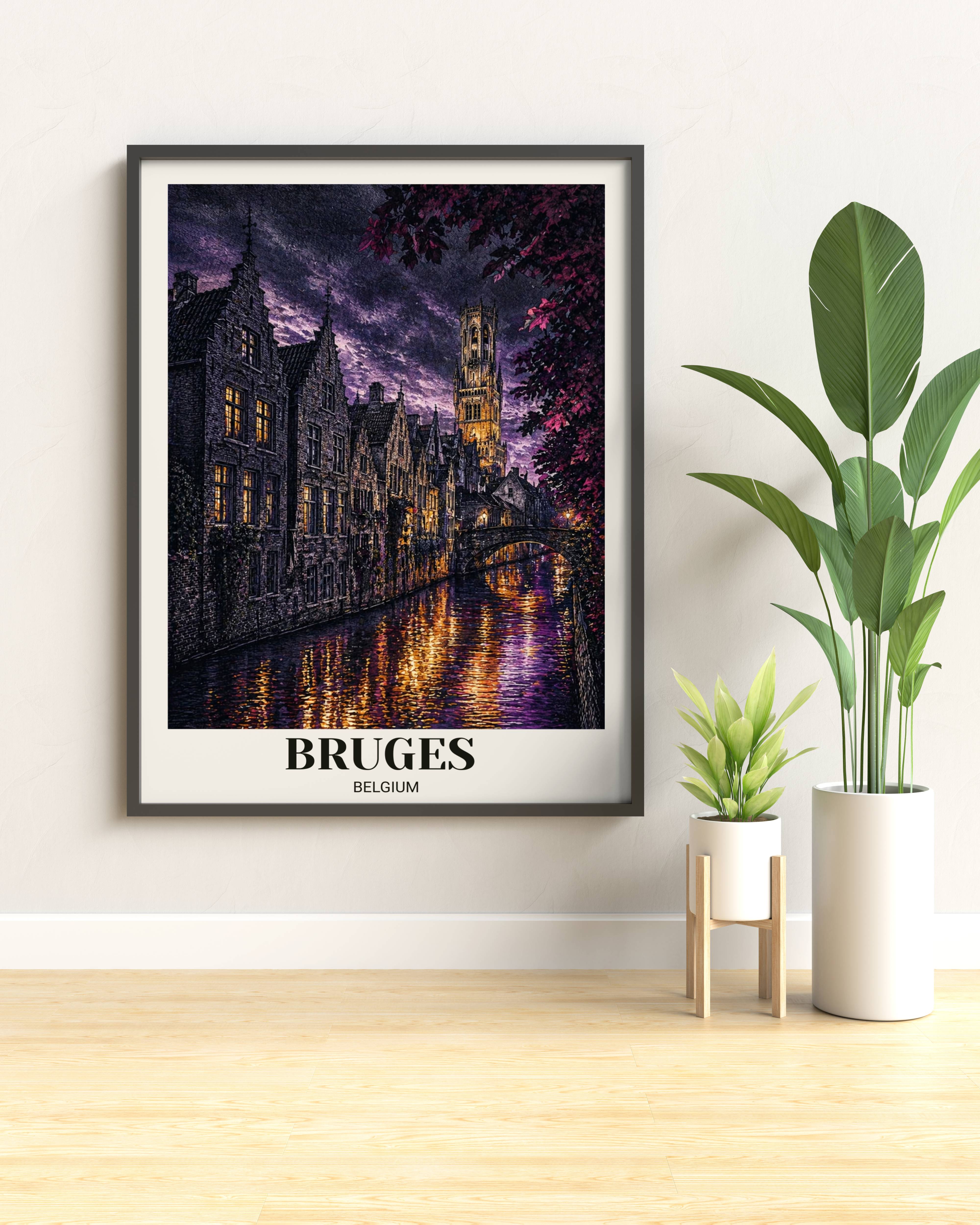
📑 Quick Navigation
Understanding Belgian Design Philosophy
Creating a Belgian-themed home isn't about copying a showroom. It's about understanding a philosophy—a way of thinking about how people should live. Belgian design celebrates restraint, quality, and authenticity over flashiness.
Imagine walking into a room and feeling immediately at ease. Not because it's decorated to perfection, but because it's designed for living. That's the essence of Belgian interior design. Elegance that whispers rather than shouts. Comfort that lasts decades. Character that develops over time.
What makes Belgian design special is its refusal to choose between comfort and sophistication. You can have both. You get minimalist aesthetics paired with genuine luxury. Neutral backdrops that let carefully selected pieces shine. Spaces that feel intentional without feeling staged.
Building Your Design Foundation
Start With a Vision
Before shopping, sit with your home as it is. Walk through each room. Notice the light at different times. Understand what you actually use versus what you just maintain. Belgian design works with your space, not against it.
Choose one room to start. Not your bedroom yet—pick a space where you can experiment. A guest room, study, or entryway works beautifully. This becomes your laboratory for understanding Belgian aesthetics before committing to your whole home.
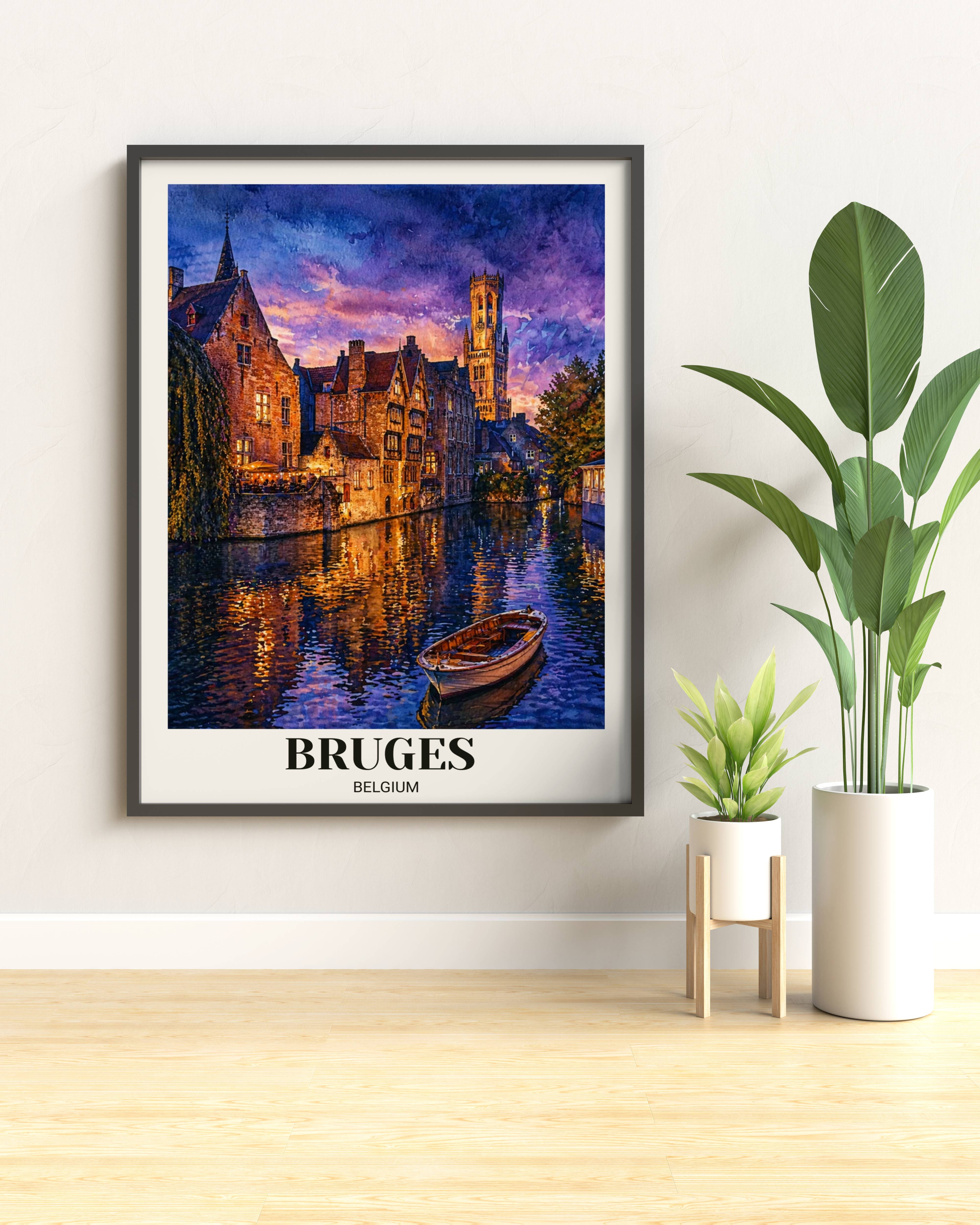
Starting with intention sets the entire design direction
Color Palettes That Work
Belgian color palettes celebrate subtlety. This isn't about being boring—it's about sophistication. The colors you choose create the entire mood.
The neutral backbone: Creamy whites, warm grays, soft charcoal, and natural beiges form the foundation. These aren't stark whites. They're lived-in, slightly imperfect, deeply comfortable.
Adding depth: Layer in muted tones—warm ochres, soft terracotta, gentle greens, dusty blues. These should feel like they belong in nature, not a paint sample.
Accent possibilities: Deep aubergine, rust, burnt umber, or charcoal provide depth without loudness. Use sparingly for maximum impact.
Furniture & Pieces That Matter
Belgian design philosophy says buy fewer, better pieces. Not everything at once. Purchase items you genuinely love, items that will last decades.
Sofas and seating: Oversized comfort with simple lines. Slip covers in stonewashed linen work beautifully. Look for generous proportions that invite relaxation. A worn leather armchair or gray-washed rattan piece adds character.
Tables and surfaces: Raw wood, reclaimed timber, or natural metals. Oversized and angular rather than delicate. Coffee tables should look like they could support real life—books, coffee cups, homework—not just decorative magazines.
Storage solutions: Consoles and cabinets in unfinished wood or weathered iron. These pieces deserve to show their age. Patina is beauty, not something to hide.
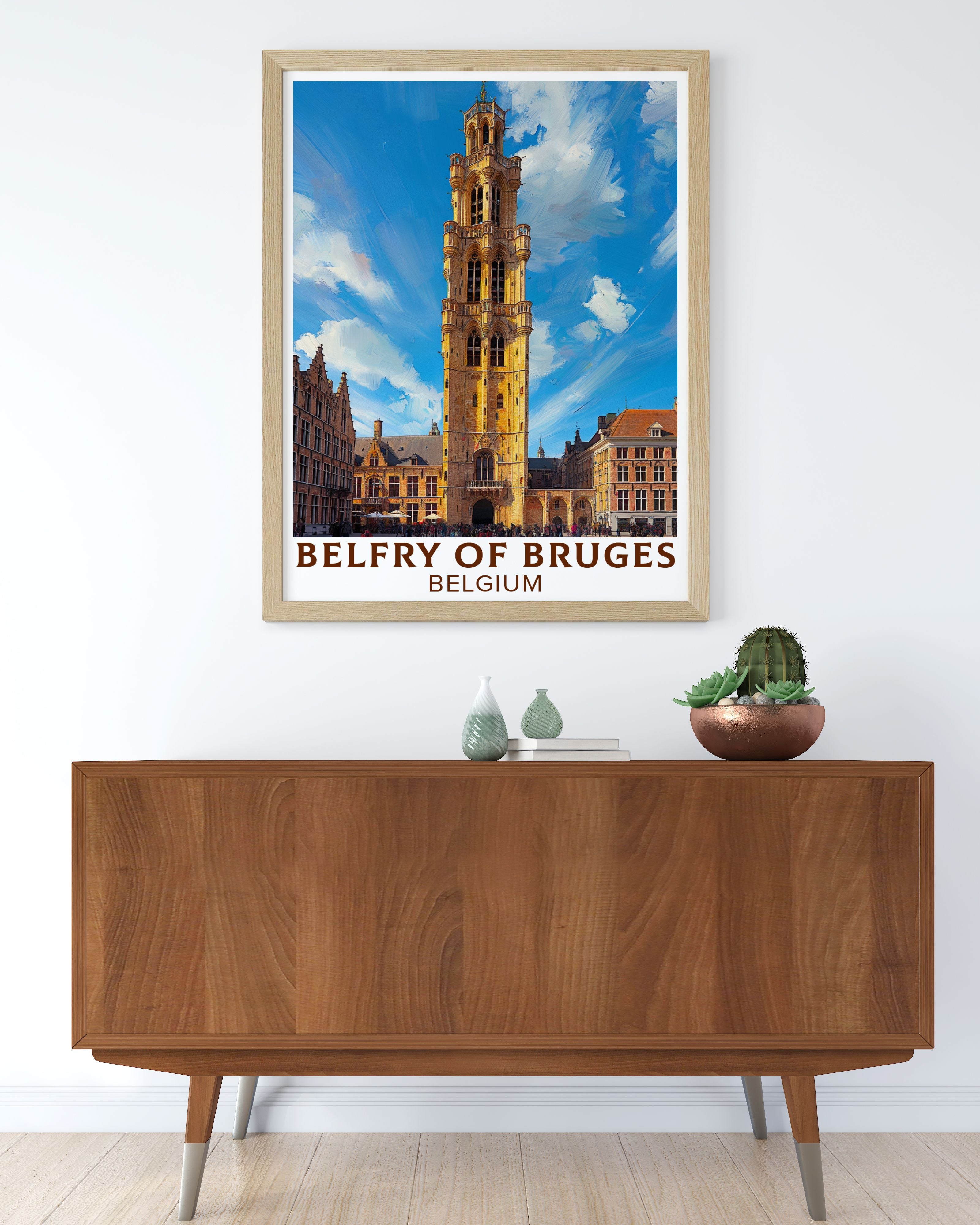
Quality pieces shine in simple arrangements
Using Posters as Your Design Anchor
This is where your design truly comes alive. A Belgian poster serves as your entire room's anchor—the piece everything else orbits around.
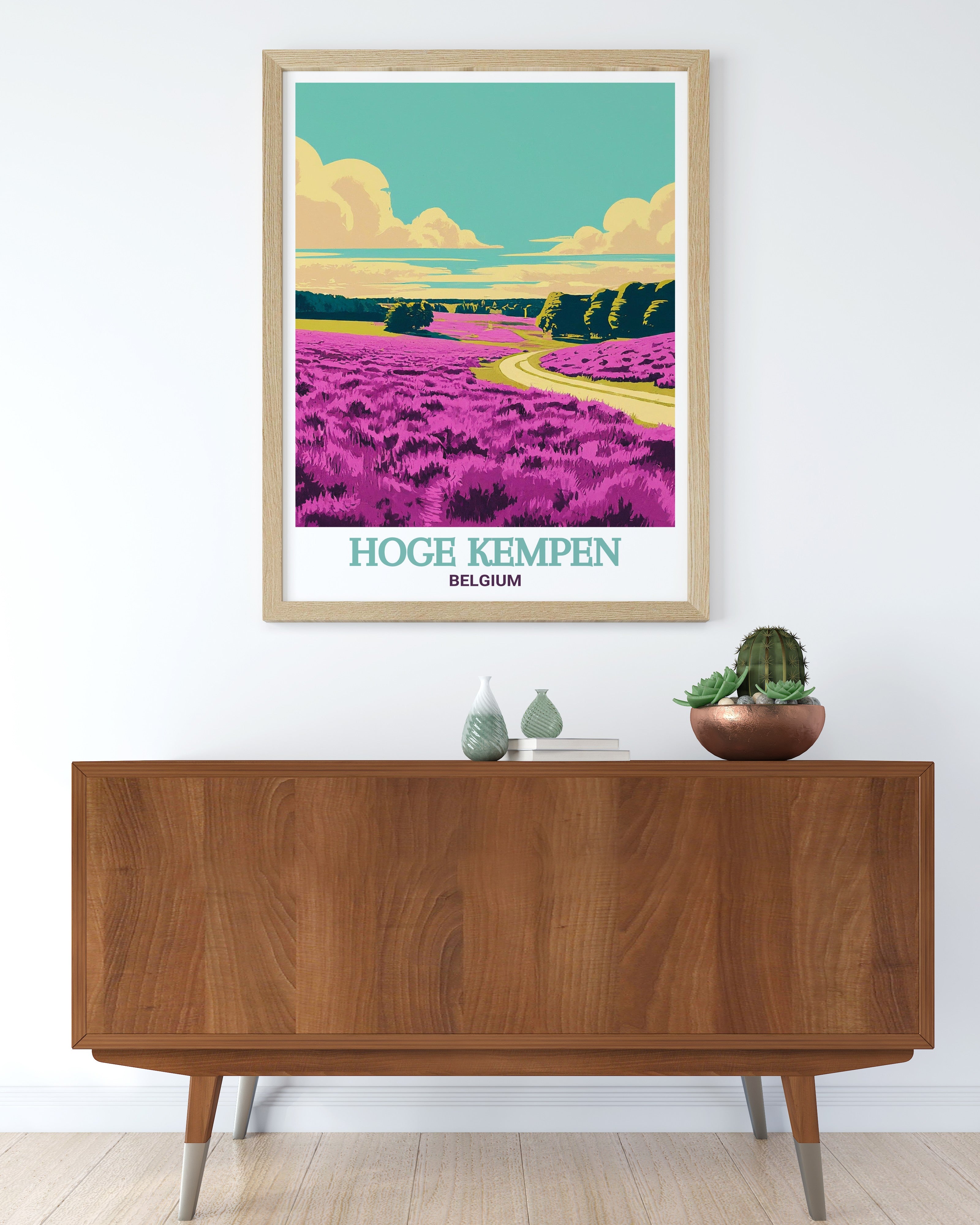
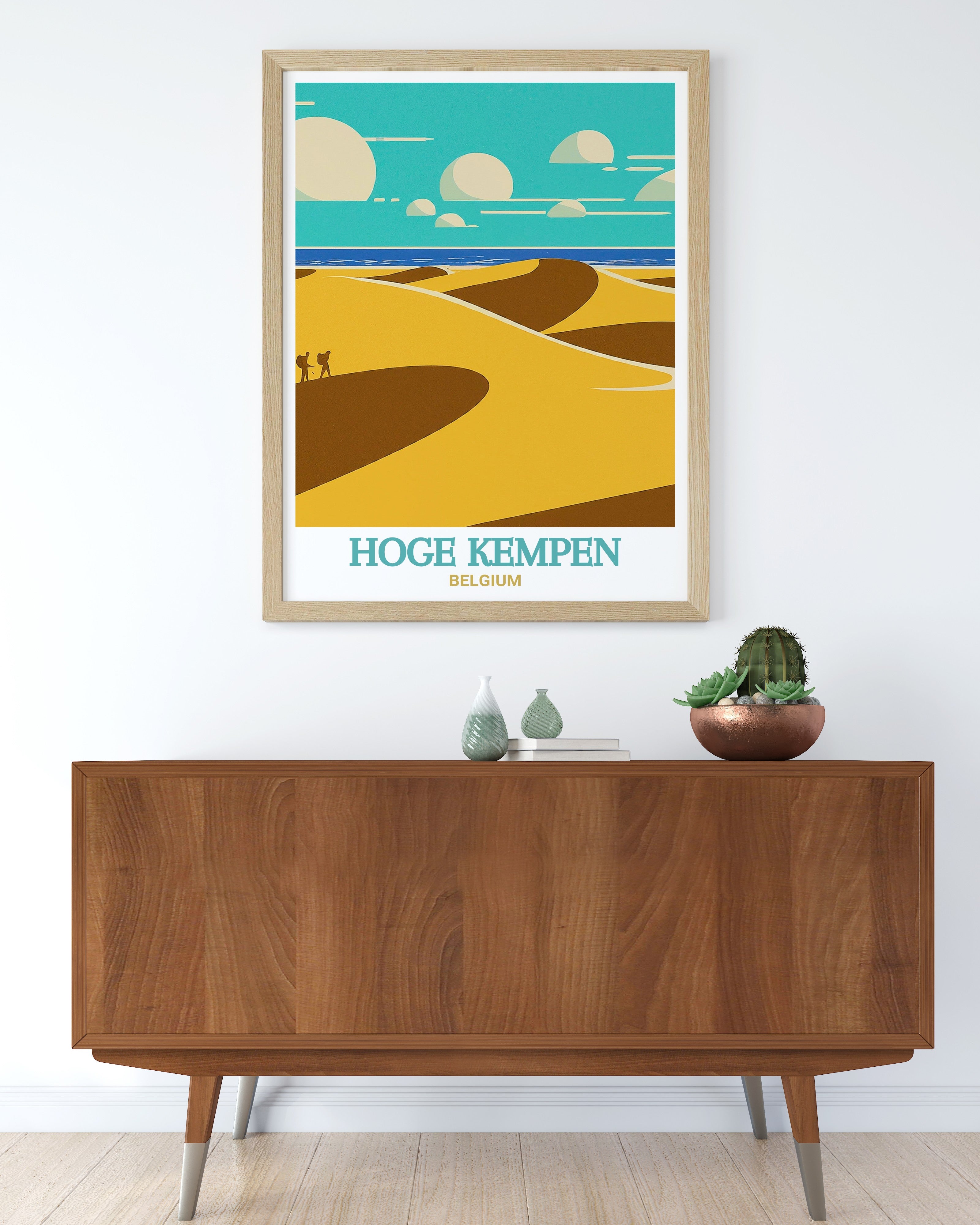
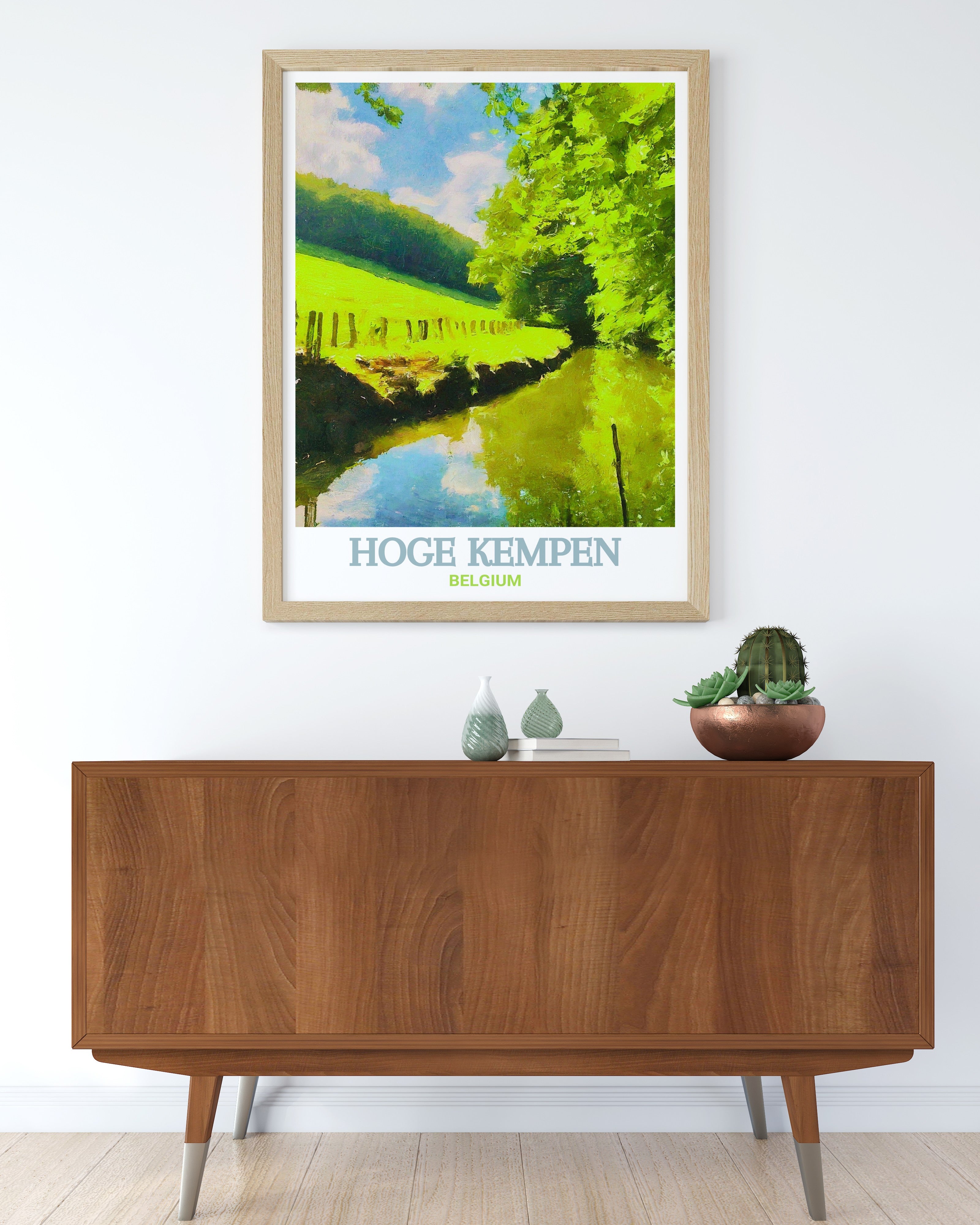
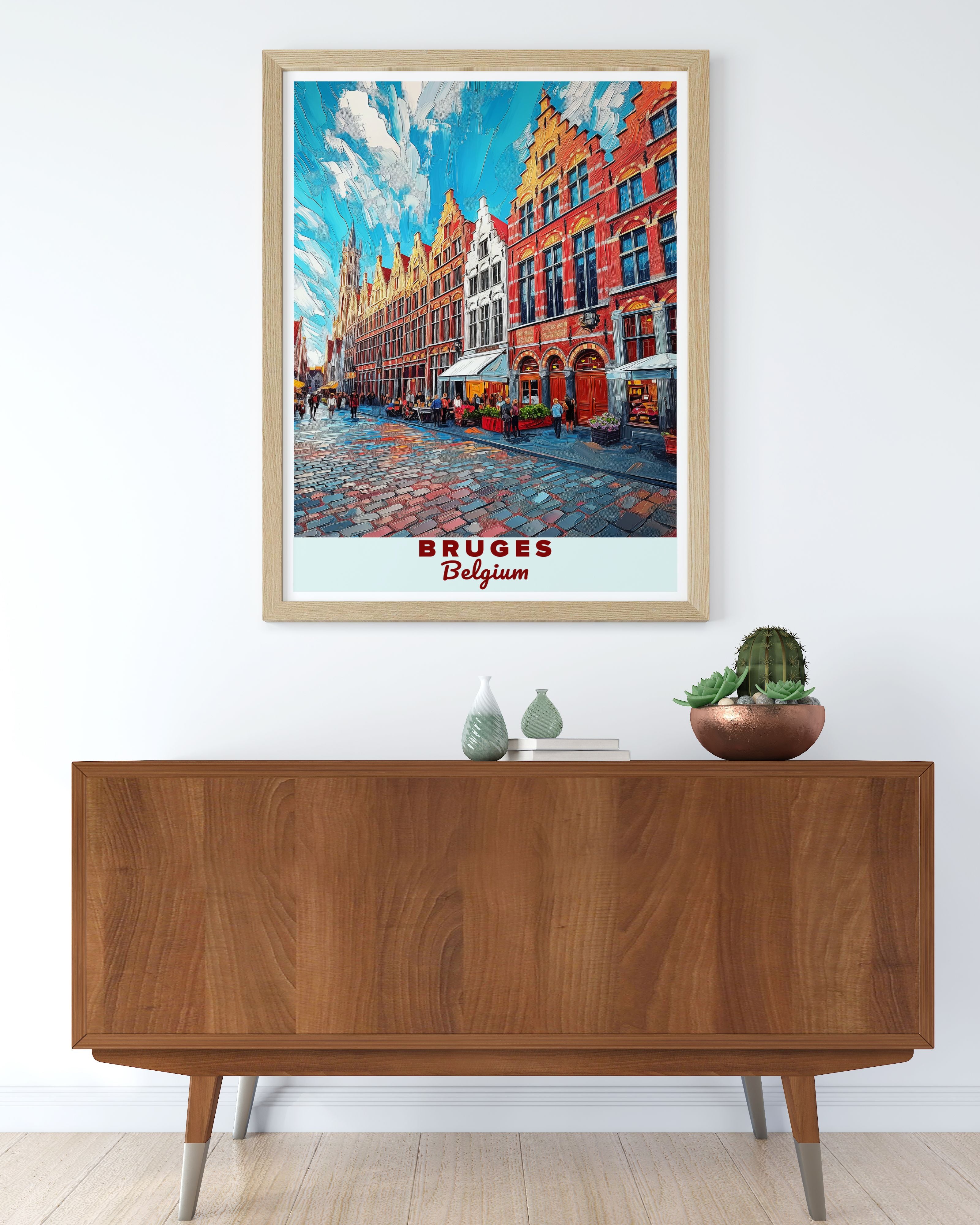
The strategic poster choice: Select a poster that speaks to you emotionally. A Bruges canal scene? Brussels architecture? A city you've visited or dream of visiting? This piece will set your room's emotional tone.
Once you've chosen your poster, pull your colors from it. Your neutral walls might be slightly warmer if your poster contains warm tones. Your accent color emerges from the poster's palette. Suddenly, everything connects seamlessly.
Want to understand your poster's story better? We've written extensively about what makes Belgian posters special and why certain images inspire us. Explore the cultural heritage and artistic traditions behind Belgian posters to deepen your appreciation before using them as design anchors.
Designing Your Living Room
Your living room is where Belgian design truly shines—the balance of comfort and elegance matters most here.
Wall strategy: Paint walls in your chosen neutral. Let the poster command attention. Simple iron rods hold linen curtains that drag slightly on the floor. No fussy treatments. Light floods in naturally.
Furniture arrangement: Your oversized sofa becomes the room's anchor. Add one substantial armchair. A coffee table in raw wood. Keep it minimal. Each piece should earn its place through beauty and function.
Lighting approach: Architectural task lighting in heavy ceramic or iron. Avoid bright, artificial light. Belgian homes embrace natural light and warm supplemental illumination. Floor lamps with linen shades provide reading light and atmosphere.
Texture and life: Fresh branches in oversized ceramic vases. Stacked firewood in cane baskets. Throw pillows in natural linens and layered textures. This makes the space feel genuinely inhabited, not carefully staged.
Creating a Bedroom Retreat
Bedrooms deserve special consideration. This is your private sanctuary, and Belgian design excels at creating genuinely restorative spaces.
| Design Element | Belgian Approach | Why It Works |
|---|---|---|
| Bedding | Layered linens, worn softness | Comfort develops over time, never feels stiff |
| Color | Neutral walls, subtle tones | Promotes relaxation and sleep quality |
| Lighting | Soft, warm, adjustable | Supports natural sleep rhythms |
| Furniture | Essential pieces only | Reduces visual clutter, enhances calm |
| Window treatments | Heavy linen for light control | Blocks morning light, maintains privacy |
Natural Materials & Textures
Belgian design obsesses over materials because materials tell stories. A piece of wood carries its history. Aged iron shows its purpose. Worn linen demonstrates its loyalty.
Wood: Reclaimed timber, unfinished surfaces, visible grain. Never perfectly polished. The wear is the point. Old wooden beams, farmhouse tables, and weathered floors anchor spaces with authenticity.
Metals: Iron, copper, and brass develop patina over time. This isn't corrosion—it's beauty developing. Cabinet handles, lamp bases, and hardware showcase this philosophy.
Textiles: Linen dominates Belgian interiors. Heavy, unbleached, slightly textured linen. Linens for curtains, slip covers, pillows, and throws. The fabric softens with use, literally improving over years.
Ceramics and stone: Rough, unpolished, handmade whenever possible. Ceramic vessels that look handthrown. Stone fireplace surrounds that feel ancient. These imperfections are the entire point.
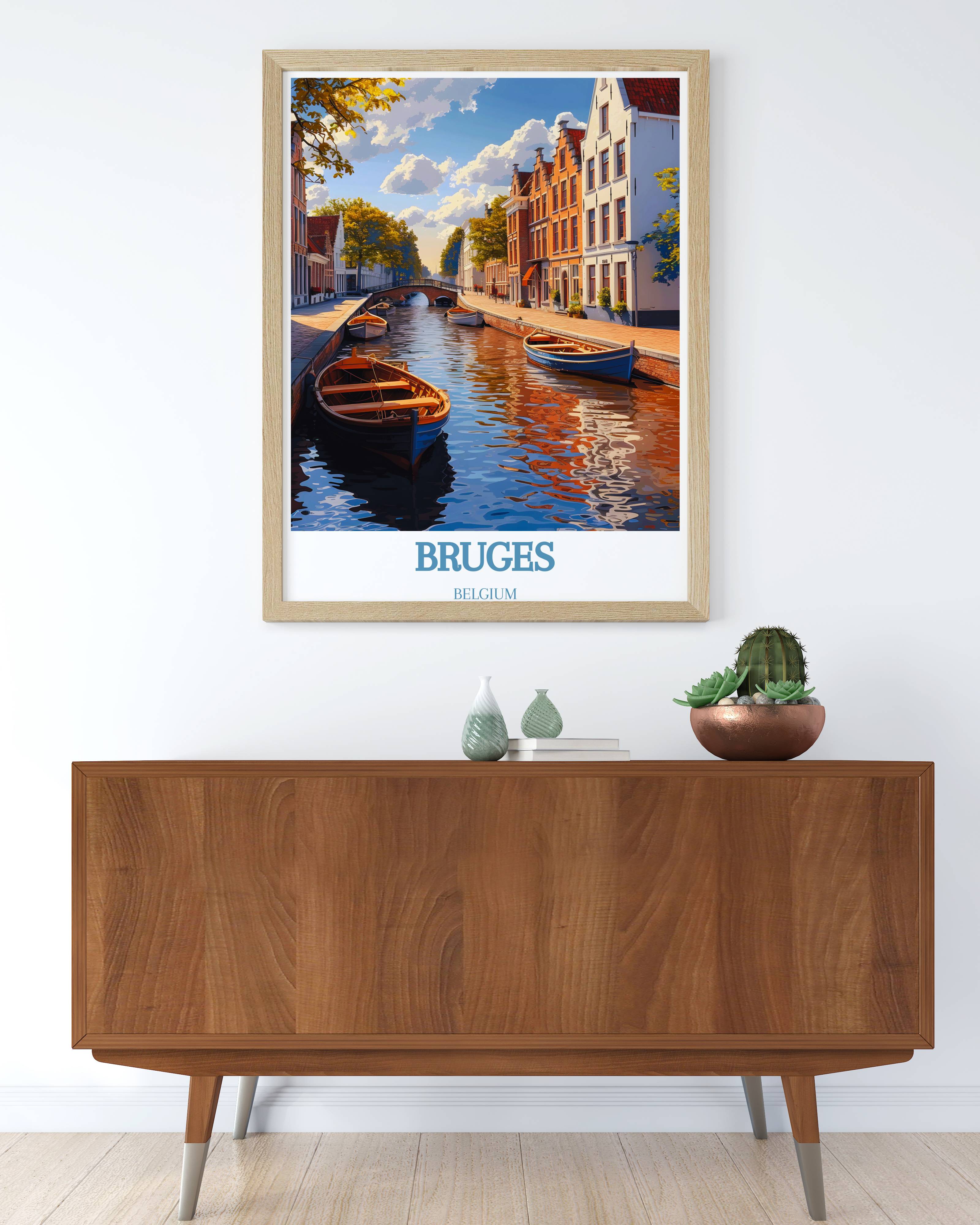
Materials developed over time carry incomparable beauty
🎯 Key Design Principles
- Start with one room to test your vision before committing everywhere
- Choose a poster first, then build colors and style around it
- Invest in fewer, higher-quality pieces rather than filling rooms
- Embrace neutral backdrops that let pieces shine
- Celebrate patina and aging as marks of authenticity
- Layer natural textures—wood, linen, ceramics, metal
- Keep arrangements minimal and uncluttered
- Use quality materials that improve with age and use
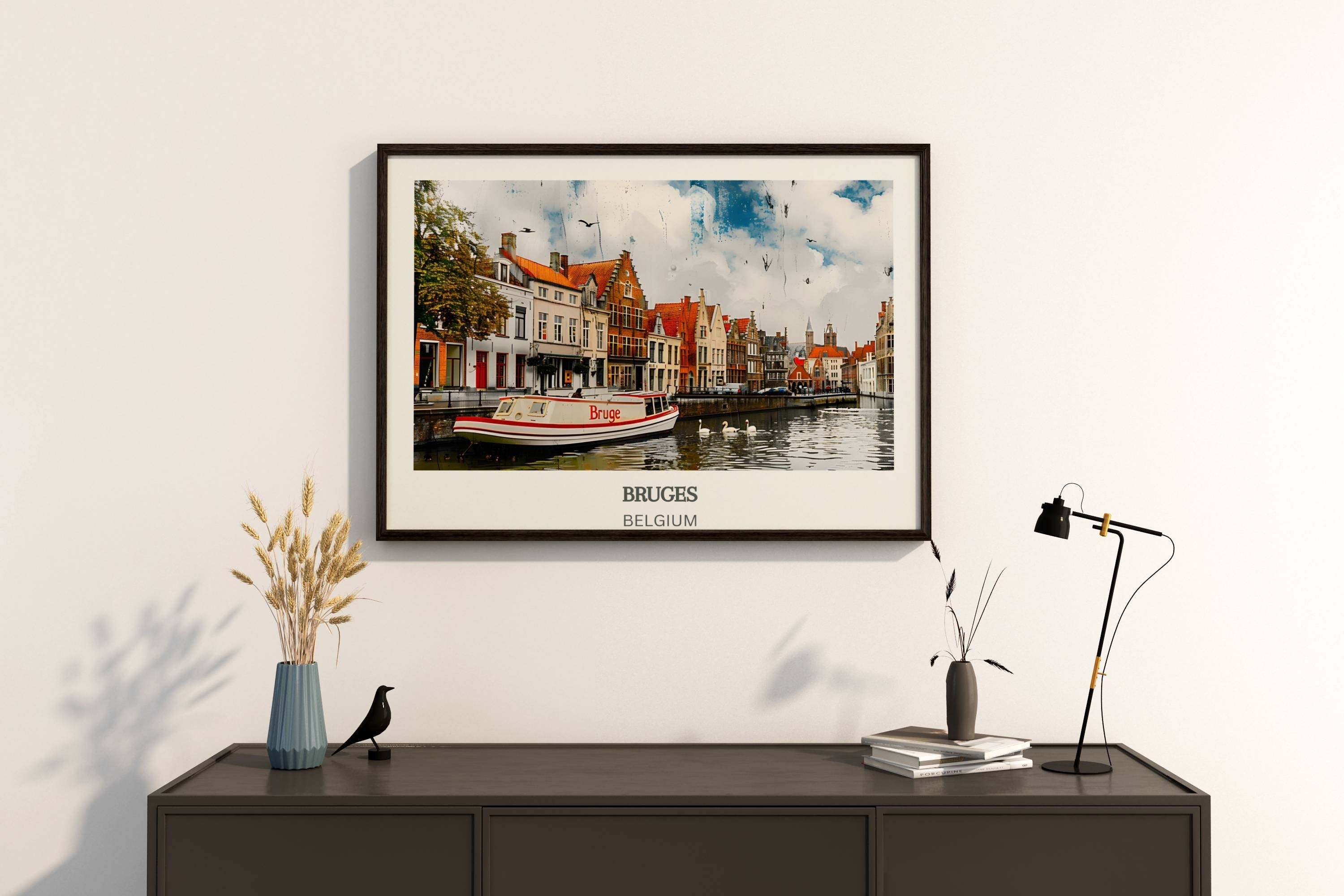
When elements unite around a central vision
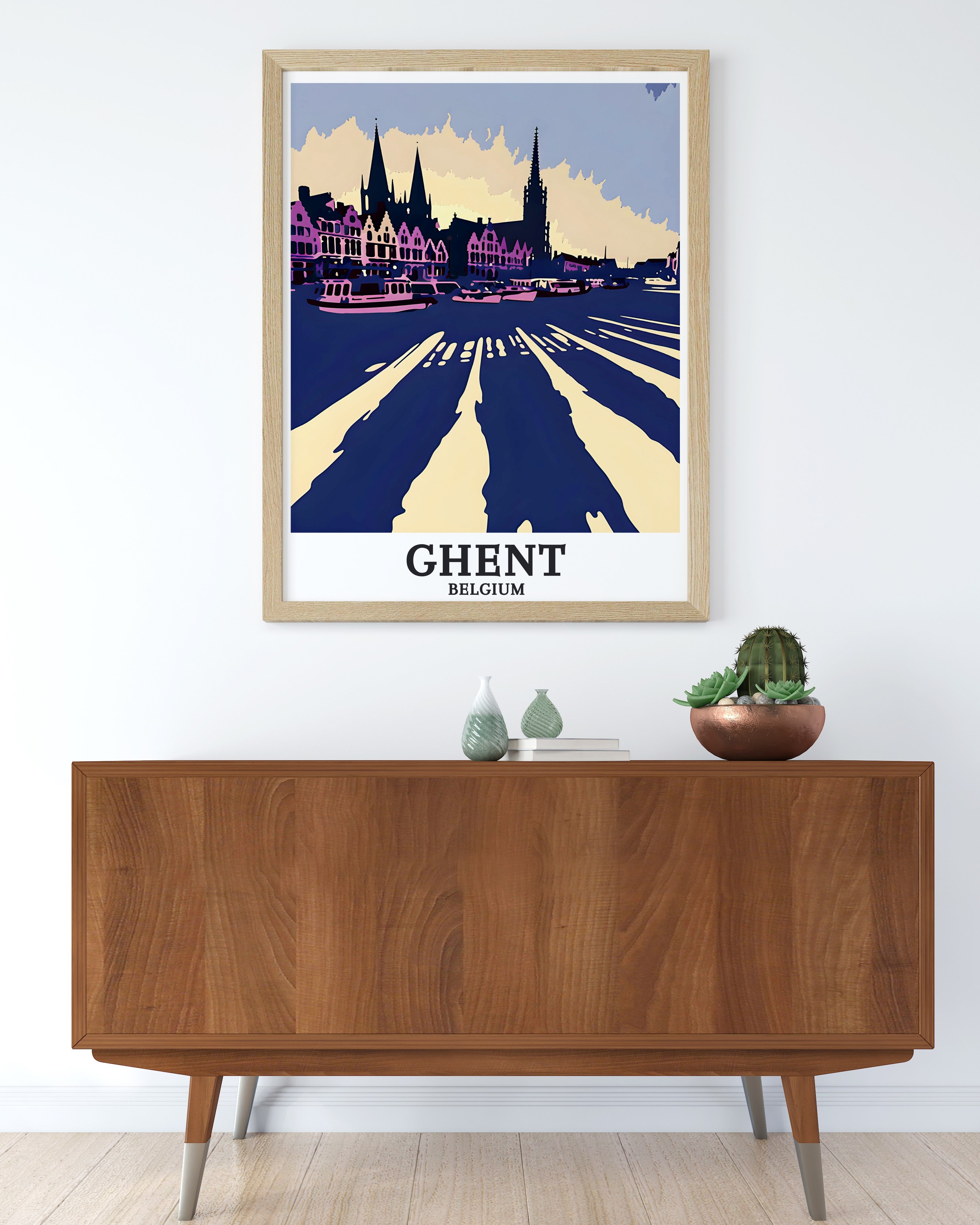
Simplicity creates space for genuine beauty
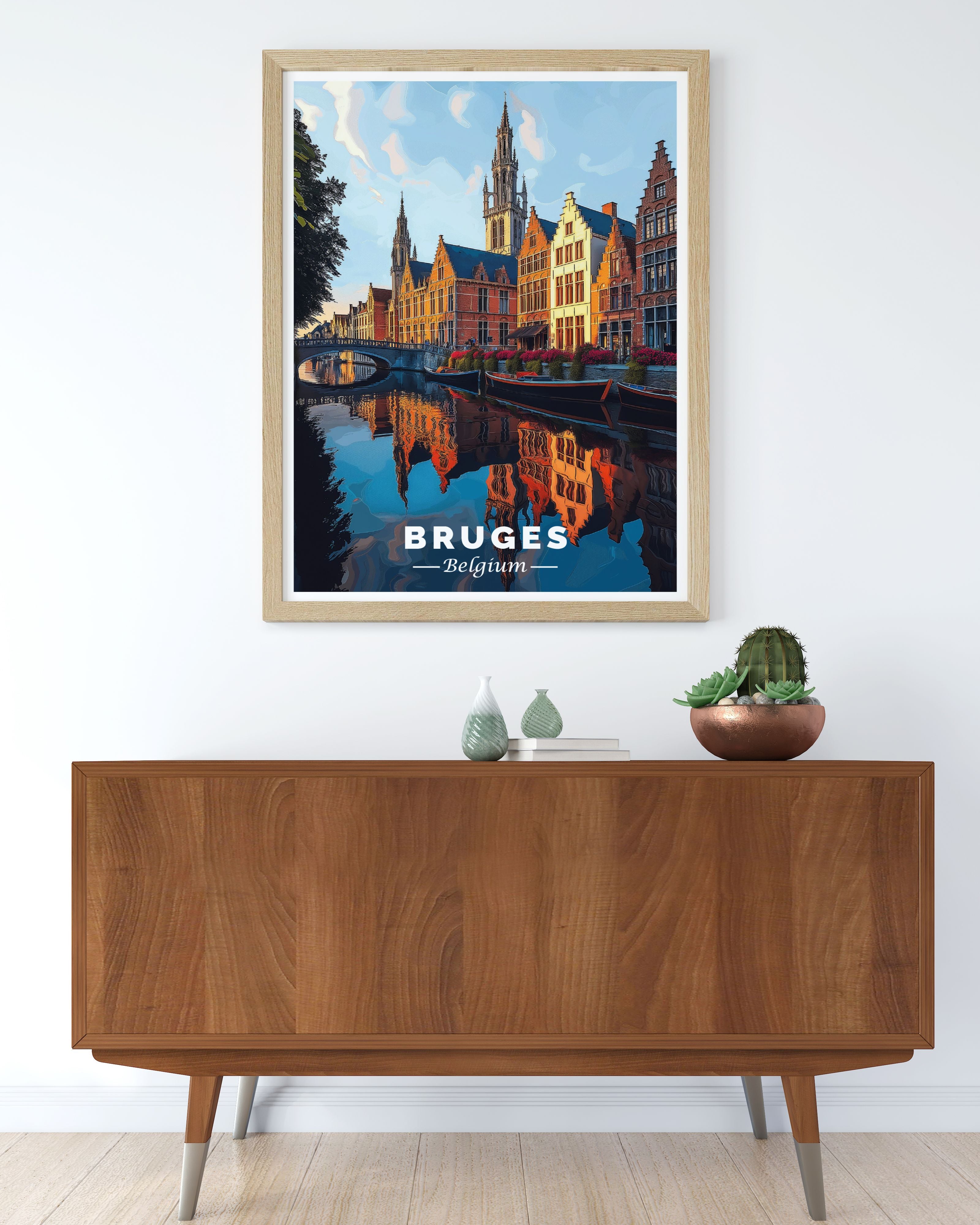
Layers build sophistication without clutter
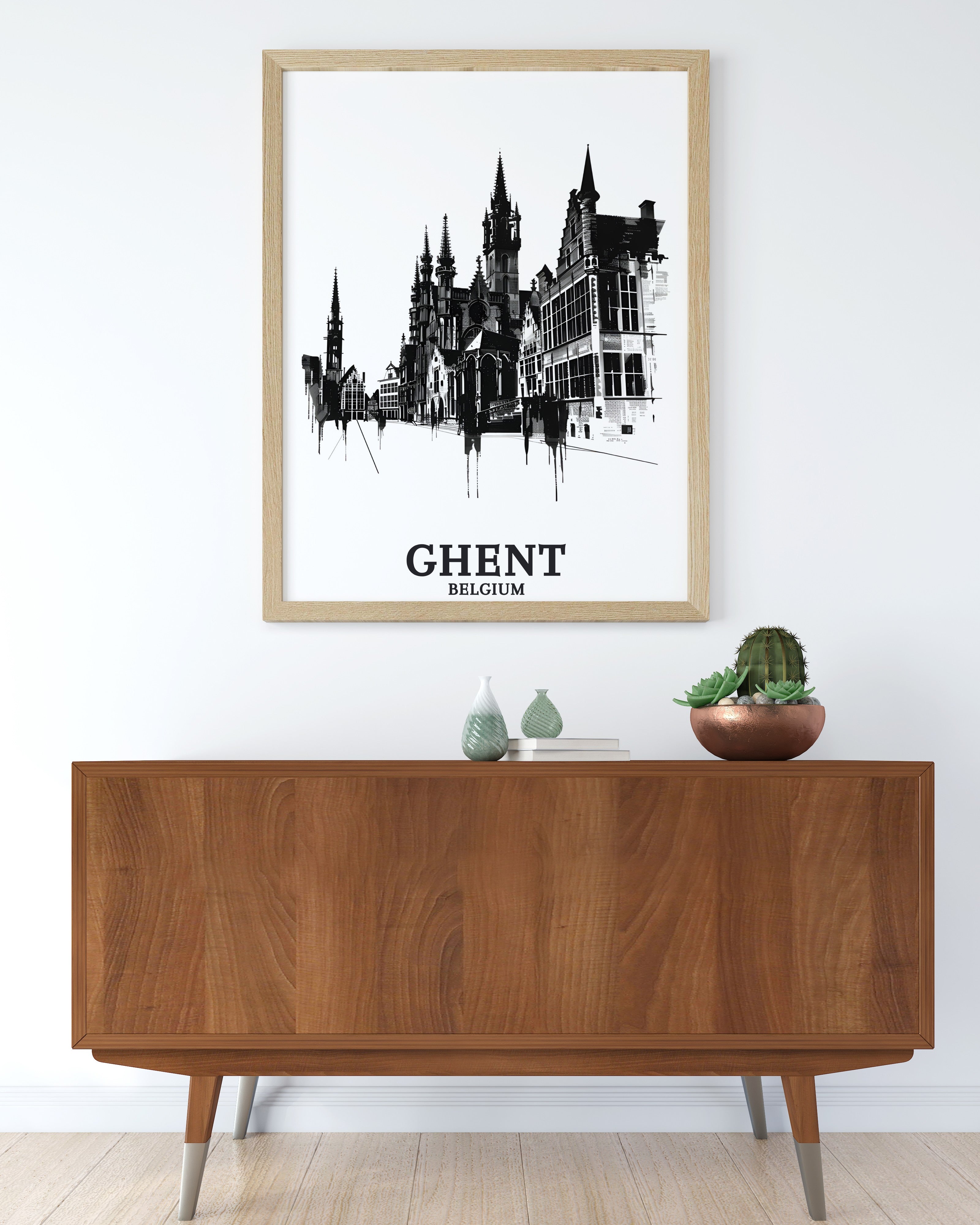
Modern interpretations honor traditional principles
Design Questions Answered
Your Design Journey
Creating a Belgian-themed home isn't a project with a completion date. It's a way of thinking about how you want to live. It's a commitment to quality over quantity, authenticity over appearance, comfort over showiness.
Start today. Choose one room. Find a poster that speaks to your soul. Pull your colors from it. Select one piece of furniture you genuinely love. Begin building from there.
Your home will develop character over time. Just like the aged linen and weathered wood that define Belgian design, your space becomes more beautiful with living. That's the real magic.
Belgian design invites you to slow down. To choose thoughtfully. To appreciate materials and stories. To create spaces that restore your spirit. Start your journey today with a poster that moves you, then build outward from that moment of genuine connection.


